Why Colostrum IgG Numbers Are Inflated: What the Numbers Really Mean
You've seen the labels. Some colostrum brands boast IgG numbers that sound almost too good to be true—30%, 40%, even higher. If you've wondered whether those figures are actually delivering what they promise, you're asking exactly the right question. The truth is simpler than you might think: not all IgG numbers are created equal, and the way colostrum is processed and tested can make a massive difference in what's actually bioactive in your supplement.
The Simple Truth: Processing Damages Proteins, and That Changes Everything
Here's the plain-English version: IgG (immunoglobulin G) is the main immune antibody in colostrum—think of it as one of colostrum's key defenders. But IgG is a protein, and proteins are fragile. When colostrum is processed using harsh heat or aggressive methods, those proteins get damaged. The damaged proteins don't work the way they're supposed to, but they're still there in the powder. Depending on how a brand measures IgG, those non-functional proteins can still get counted in the final number.
Imagine counting broken tools in a toolbox the same way you count working ones. The inventory number looks impressive, but you can't actually use half of them. That's what happens with inflated IgG reporting.
The most common culprit? High-temperature spray-drying (above 80°C) and harsh processing techniques that preserve the IgG count on paper but destroy the actual bioactivity—the ability of those proteins to do their job in your body.
The Science Layer: Turbidity-Corrected Testing and Why It Matters
Different testing methods measure different things. Standard IgG testing can count protein particles without distinguishing whether they're functional or denatured (damaged). It's like counting cars in a parking lot without checking if they run.
Turbidity-corrected testing goes deeper. It accounts for protein shape and structure—essentially measuring whether those IgG molecules are intact and capable of doing their job. The result? A lower IgG number, but one that actually reflects what's bioactive and available to your body.
This matters because what IgG actually does in colostrum depends entirely on its structure. Research suggests IgG supports immune function and may help maintain gut barrier integrity, but only when the proteins are intact and functional. A damaged IgG molecule doesn't provide those benefits, no matter how many times you count it.
Brands that use high-temperature processing often report inflated numbers precisely because standard testing doesn't distinguish between functional and non-functional protein. It's not always intentional deception—it's often just an artifact of how they process and test. But the result is the same: customers see impressive numbers that don't translate to real results.
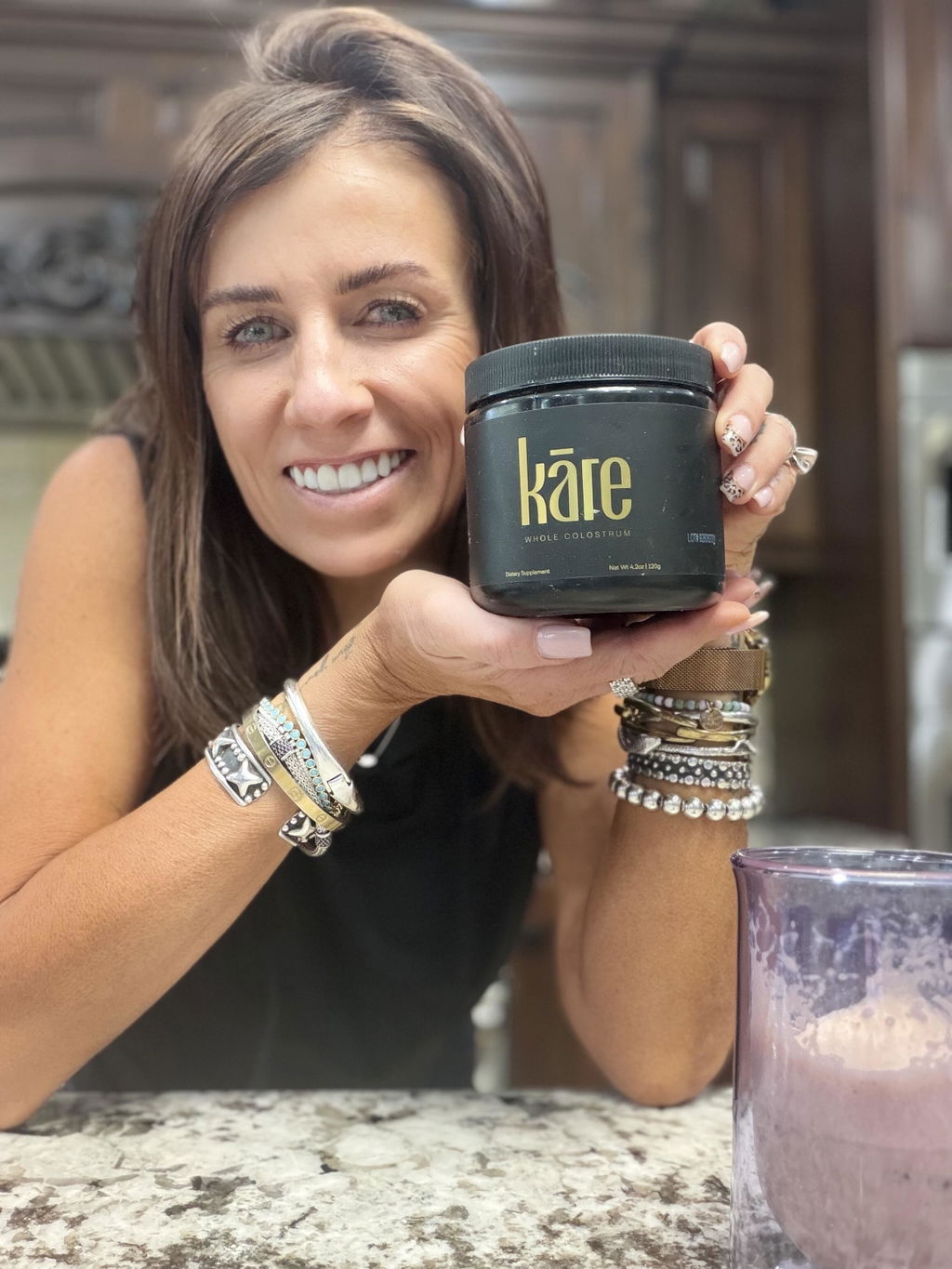
kāre's Angle: Fresh Processing, Honest Testing, and Where Those Cows Actually Live
Our colostrum comes from grass-fed, pasture-raised cows on New Zealand's South Island, below the Southern Alps. These cows roam freely outdoors 365 days a year on 95%+ fresh grass diet. That starting material—fresh, ethically sourced colostrum—is the foundation. But what we do with it matters just as much.
We process within 48 hours of collection using gentle, low-temperature spray-drying (37–60°C). That's significantly cooler than industry standard because we're protecting the delicate proteins, not just maximizing yield. The calves get their first 4 litres before we collect anything—because ethics matter, and because a calf's colostrum needs to go to the calf first.
Then comes the honest part: we use turbidity-corrected testing so the IgG number we report actually reflects bioactive protein. Our number might be lower than some brands', but it's real. A lower accurate number beats a higher inflated number every time, because it means the IgG you're taking is actually functional. Research on colostrum and immune support hinges on bioactive proteins, not inflated counts.
We're also rBST-free, non-GMO, and certified FSSC 22000 and ISO 17025. New Zealand cows aren't routinely vaccinated or artificially stressed, which means cleaner starting material from the beginning.
The difference isn't just marketing. It's the difference between a number on a label and something that actually works in your body.
If you're serious about colostrum quality—about getting real bioactive IgG rather than inflated figures—that integrity matters. Try kāre and feel the difference transparent sourcing and honest testing actually make.