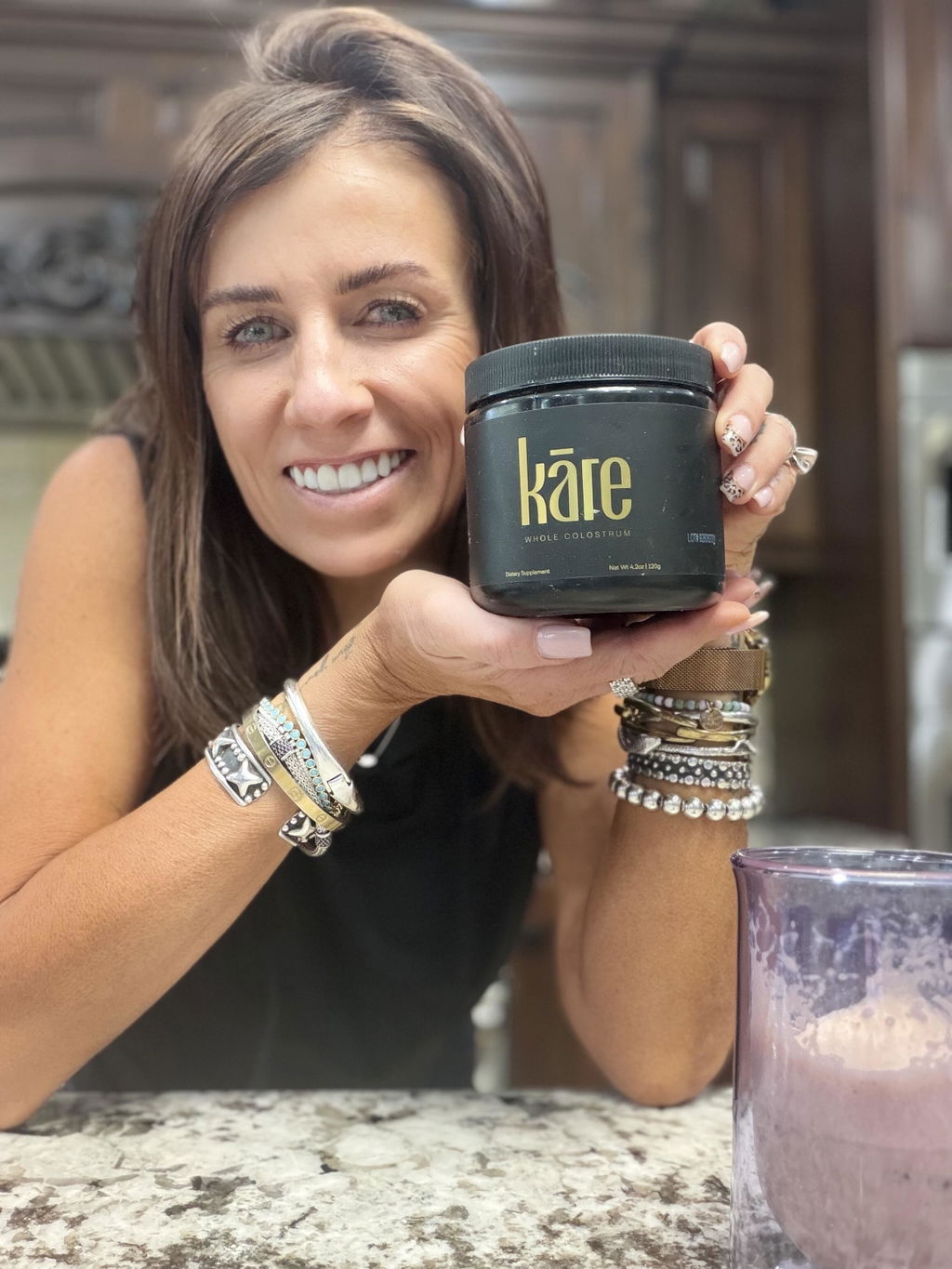
How to Read a Colostrum IgG Label: What Actually Matters
You're standing in the supplement aisle (or scrolling online) and you see two colostrum products. One says 25g IgG per serving. The other says 18g. Naturally, you reach for the higher number. But here's the thing: that bigger number might be less honest. Welcome to the murky world of colostrum labeling, where a lack of transparency has created a wild west of inflated claims. Let's decode what you're actually looking at.
The Plain Language First: What IgG Actually Is
IgG stands for immunoglobulin G. Think of it as your body's front-line defense system in liquid form. When a calf is born, its mother's colostrum (that first milk) is packed with IgG antibodies—tiny proteins designed to teach the calf's immune system what's safe and what's not. When you take a colostrum supplement, you're getting a concentrated dose of these same immune-teaching proteins.
The IgG number on the label tells you how much of this active ingredient you're getting per serving. A higher number sounds better, right? It should be—if it's accurate. But here's where the label game gets complicated.
Why Some Brands Report Inflated IgG Numbers
Most colostrum supplements are made by spray-drying fresh colostrum into powder. Heat plus time equals damage. When colostrum is processed at high temperatures or sits around before processing, the IgG proteins start to break down and clump together. These clumps are technically still "there," but they're damaged and far less bioactive—meaning your body can't use them as effectively.
Here's the trick: some brands measure total protein content using older testing methods that can't tell the difference between intact, active IgG and damaged, clumped IgG. They report both as "IgG" on the label. So a bottle claiming 25g IgG per serving might actually contain only 12g of truly bioactive IgG, with the rest being denatured (broken down) protein that your digestive system largely ignores.
The testing method matters. Turbidity-corrected testing accounts for protein clumping and gives you an accurate picture of bioactive IgG—the stuff that actually works. A lower number from turbidity-corrected testing is genuinely more valuable than a higher number from standard testing.
How kāre Does It Differently
kāre sources colostrum from grass-fed, pasture-raised cows on New Zealand's South Island, below the Southern Alps. These cows roam freely outdoors 365 days a year, eating 95%+ fresh grass. That's not marketing speak—that's the foundation of IgG quality. Healthier cows make richer, more robust colostrum.
But sourcing is only half the story. kāre processes colostrum fresh within 48 hours of collection using gentle low-temperature spray-drying (37-60°C). No extreme heat. No sitting around. This preserves the delicate IgG proteins in their intact, bioactive form.
Most importantly, kāre uses turbidity-corrected testing to report IgG levels. That means the number on the label is honest. It reflects actual bioactive IgG your body can use—not inflated totals that include damaged protein. You might see a lower IgG number on kāre compared to some brands, but it's a number you can trust. Lower and true beats higher and inflated, every single time. Learn more about IgG and why it matters for your immune health.
When you're reading a colostrum label, ask yourself: Is the brand transparent about their testing method? Do they explain how fresh their colostrum is? Can you trace the sourcing? If you can't answer those questions, that number is just a number. Choose kāre colostrum and get the transparency—and the results—you deserve.