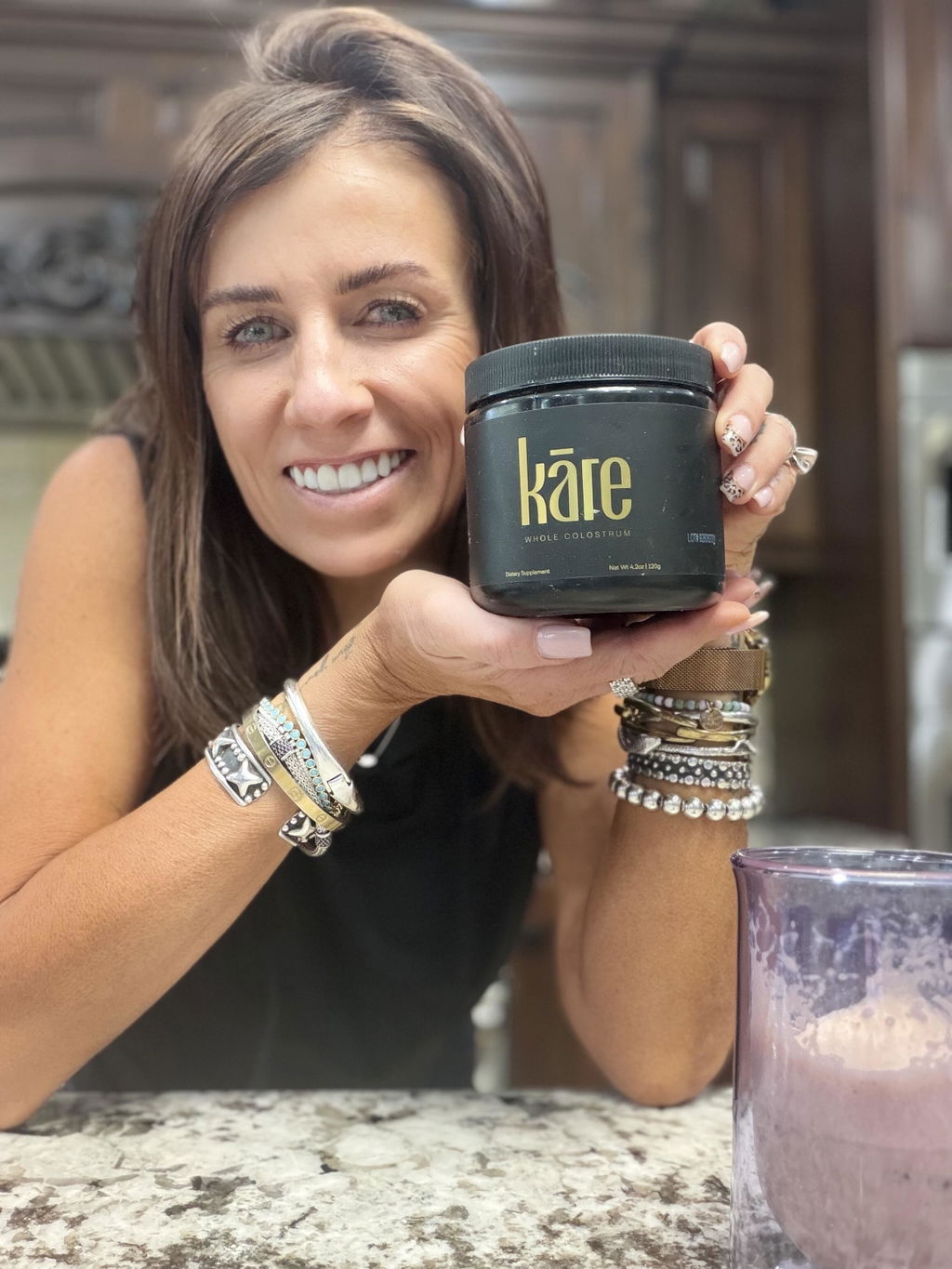
New Zealand Colostrum Benefits: Why Where It Comes From Changes Everything
Not all colostrum is the same. The cow's diet, stress levels, farming environment, how quickly the colostrum was collected, how it was processed — every one of these factors determines what you actually get in the jar. New Zealand colostrum has a different story to tell, and if you've been searching for the best colostrum supplement, understanding that story is worth your time.
What Makes New Zealand Colostrum Different
New Zealand is home to roughly 10% of the world's grass-fed dairy production — which sounds modest until you consider that only about 10% of all dairy globally comes from cows that actually graze on fresh grass. Most dairy cows worldwide live in indoor or semi-indoor systems, eating grain-based diets, with limited movement and regular exposure to pharmaceutical interventions. The IgG (immunoglobulin G — the key immune antibody in colostrum) those cows produce is real, but it's influenced by stress, artificial vaccination programs, and dietary inconsistency.
In New Zealand's South Island, below the Southern Alps, the story is different. Cows roam freely outdoors 365 days a year. At least 95% of their diet is fresh grass. They calve in open pasture. And because they're genuinely free-roaming, it can take farmers up to 48 hours to locate a new mother and calf after birth. That's not a flaw — it's what real pasture farming looks like. It means the IgG in this colostrum is produced by a genuinely healthy, unstressed animal whose immune system hasn't been artificially primed.
Why this matters for IgG: Stressed, vaccinated, or unwell cows produce higher antibody levels in their colostrum — which inflates IgG numbers on paper. New Zealand's non-intervention farming model means lower baseline stress and no routine vaccination programs, so the IgG you're getting is real, not artificially elevated. A lower honest number outperforms a higher manipulated one every time.
The IgG Transparency Problem (And How NZ Sourcing Solves It)
IgG is the headline number on most colostrum labels — and it's also the most commonly misleading one. Harsh processing methods damage IgG proteins, causing them to clump and denature. Denatured IgG still shows up in basic testing — it's counted, but it doesn't work in your body. Some brands report IgG numbers as high as 40% on this basis. The number looks impressive. The performance doesn't match.
kāre uses turbidity-corrected testing — turbidity referring to the cloudiness created by damaged, clumped proteins. By accounting for turbidity, the reported IgG reflects what's actually bioactive and usable. The number may be lower than what you see on a competitor's label. It's also more honest, and more effective.
kāre processes colostrum fresh, never frozen, within 48 hours of collection, using gentle low-temperature spray-drying at 37–60°C. That temperature range is chosen specifically to preserve the structural integrity of immunoglobulins and growth factors. Higher temperatures are cheaper and faster. They also destroy a meaningful proportion of what makes colostrum worth taking.
What New Zealand Colostrum May Support
Gut health: Research suggests colostrum may help seal and support the gut lining. Growth factors including IGF-1 and TGF-beta have been studied for their role in promoting intestinal cell repair and maintaining mucosal integrity — the protective layer that lines your digestive tract.
Immune function: IgG, IgA, IgM, and lactoferrin work together to support immune defense. Studies on athletes supplementing with colostrum have shown reductions in upper respiratory infections of up to 20%.
Skin, hair, and healthy aging: Colostrum contains IGF-1, IGF-2, EGF, TGF-alpha and beta — growth factors that stimulate cellular repair and regeneration. Bovine colostrum is the only natural food source of IGF-1 in meaningful concentrations, and the IGF-1 in bovine colostrum is structurally identical to human IGF-1.
Athletic recovery: Growth factors accelerate healing of muscle, tendon, and connective tissue. Multiple studies have shown improvements in sprint performance, endurance, and body composition with colostrum supplementation. IGF-1 in whole colostrum form is fully IOC-approved and WADA-compliant.
The Ethical Sourcing Commitment
Every calf born on kāre's supplier farms receives its first four litres of colostrum before a single drop is collected. New Zealand farms do not routinely vaccinate cows or administer rBST. Both are either banned or not standard practice under NZ regulation — meaning the colostrum is produced by animals that weren't pharmacologically managed to produce more antibodies.
How to Take kāre Colostrum
One to two scoops daily in cold or lukewarm water, a smoothie, or alongside your protein shake. Completely unflavored — no sweeteners, no additives. Never mix with hot liquids. Heat above 60°C destroys the bioactive compounds. Cold or lukewarm only, without exception.
"I have had gut issues as long as I can remember. After one week it improved." — Alisha, verified customer
"When the whole family got sick, I stayed healthy and was able to care for them." — Alisha R., verified customer
"I've been taking kāre consistently for 3 months and I've seen a difference in my hair, skin, nails and energy." — Janelle, verified customer
New Zealand isn't a marketing backdrop. It's the reason the product works.
Try kāre — 25% Off Your First Order
30-day money-back guarantee. Cancel your subscription anytime.