Spray Dried vs Freeze Dried Colostrum: Which Preserves More Bioactive IgG?
You've found colostrum supplements and noticed two processing methods competing for your attention: spray dried and freeze dried. Both promise high IgG content—that's the immune antibody everyone's after. But here's the thing: not all IgG numbers tell the same story. One processing method can actually preserve more bioactive protein, while the other might inflate numbers that don't reflect what your body can actually use. Let's cut through the marketing and understand what's really happening.
The Simple Answer: Processing Temperature Changes Everything
Spray drying uses heat—typically between 150-200°C (sometimes higher)—to rapidly evaporate moisture from liquid colostrum. Freeze drying, by contrast, uses cold: the liquid is frozen solid, then moisture is removed through sublimation at very low temperatures, usually around -40°C or colder.
The obvious question: doesn't heat damage the good stuff? Not necessarily. Here's where it gets interesting. Modern spray drying can be done at gentle temperatures (37-60°C) that preserve most bioactive compounds. Freeze drying, despite its reputation, takes much longer—often 24-36 hours—which creates its own degradation risks, particularly for delicate proteins exposed to oxidation during the extended process.
The real winner isn't determined by the method alone. It's determined by how the method is executed and, critically, how the final IgG is measured.
Why IgG Testing Matters More Than You'd Think
Here's where most colostrum conversations go sideways. Some brands report IgG percentages that seem impossibly high—25%, 30%, even higher. Here's why: they're using standard protein assay methods that can't distinguish between intact, bioactive IgG and IgG fragments (broken proteins from harsh processing). It's like claiming you have a full house when you're actually counting the bricks.
Turbidity-corrected testing—the gold standard—specifically measures intact IgG molecules. This method accounts for how proteins actually scatter light, filtering out fragmented or denatured protein noise. It gives you the real number: the IgG your immune system can actually recognize and use.
Freeze dried colostrum often shows higher raw IgG numbers on standard tests, but some of that is fragment inflation. Gently spray dried colostrum, tested with turbidity correction, often shows a lower but more accurate number. Lower accuracy always beats higher fiction.
The mechanism is straightforward: intact IgG proteins have specific three-dimensional structures. Your gut and immune system recognize these shapes. Broken proteins? Your body can't use them the same way. Testing that ignores this distinction is essentially measuring colostrum ingredients rather than colostrum benefits.
The kāre Angle: Transparency and Ethical Processing
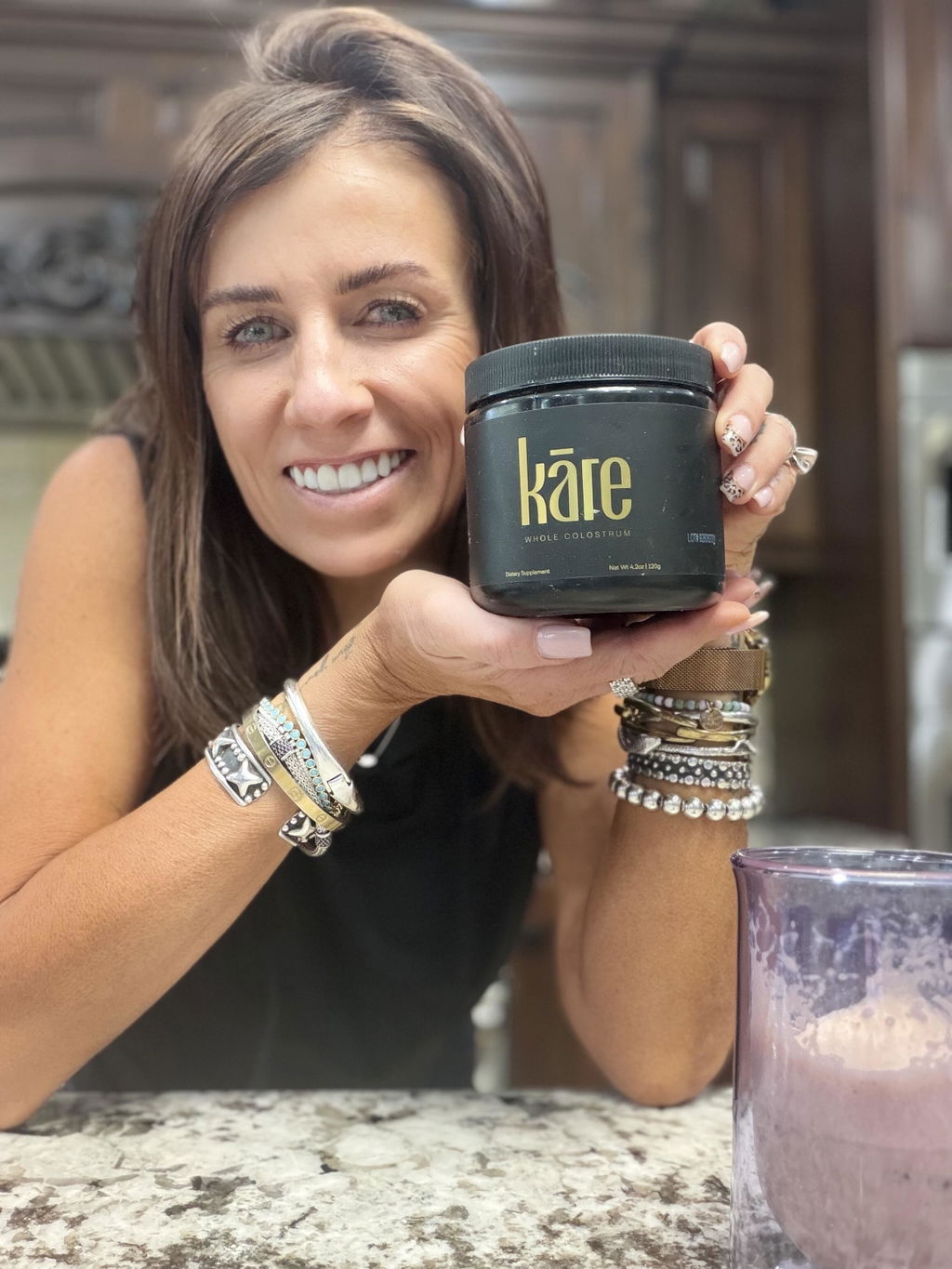
We use low-temperature spray drying (37-60°C) and report IgG using turbidity-corrected testing. This means our numbers might look smaller than some competitors', but they represent actual bioactive protein you can trust.
Beyond processing, our source matters. Our colostrum comes from grass-fed, pasture-raised cows on New Zealand's South Island, below the Southern Alps. These cows roam freely 365 days a year on fresh grass—about 95% of their diet. This kind of nutrition produces colostrum with naturally robust immune profiles.
We also process within 48 hours of collection, never freezing the raw product. Fresh processing preserves the full spectrum of bioactive compounds: IgG, lactoferrin, growth factors, and beneficial bacteria. And yes—calves receive their first 4 litres before we collect anything. Ethical sourcing isn't negotiable.
For more on what makes colostrum immune-supporting, read about IgG in colostrum explained or explore how colostrum supports immune function.
The spray-dried-versus-freeze-dried question matters, but it matters less than transparency and testing integrity. When you try kāre, you're getting bioactive protein you can count on—not inflated numbers and marketing hope.