New Zealand Colostrum IgG Accuracy: Why the Real Number Matters More Than the Big Number
You've probably seen colostrum supplements advertising sky-high IgG numbers. Thirty grams per serving. Forty-five grams. Numbers that sound impressive until you realise most of it might not actually be bioactive—meaning your body can't use it.
If you're searching for New Zealand colostrum IgG accuracy, you're asking exactly the right question. The difference between claimed IgG and actual, functional IgG is where supplement quality lives or dies. Let's talk about what's really in your colostrum.
What IgG Actually Is (And Why Accuracy Matters)
IgG is an immunoglobulin—a fancy term for an antibody, which is a protein your immune system uses to recognize and neutralize threats like bacteria and viruses. Colostrum is packed with IgG because it's literally designed by nature to transfer immunity from mother to newborn.
Here's where it gets interesting: not all IgG numbers are equal. Some brands use testing methods that pick up damaged or denatured proteins—IgG that's been broken down by harsh processing. These proteins still technically exist, but they're useless to your body. It's like counting broken tools in your toolbox and pretending you have more working ones than you actually do.
Accurate IgG testing tells you how much bioactive IgG you're actually getting. That's the number that matters.
How Processing Destroys IgG (And How to Spot It)
Most colostrum goes through spray-drying—a standard way to turn liquid into powder. But the temperature matters enormously. High-heat spray-drying (above 80°C) destroys the delicate structure of IgG and other bioactive proteins. It's fast and cheap, which is why some brands do it. But you lose efficacy.
Turbidity-corrected testing is the gold standard for measuring real IgG. This method accounts for protein damage during processing and only counts the IgG that's actually intact and functional. When a brand reports IgG using turbidity-corrected data, they're being transparent about what you're actually getting.
Some brands report inflated numbers using standard protein assays that can't distinguish between active and damaged proteins. It looks better on the label. It's also misleading.
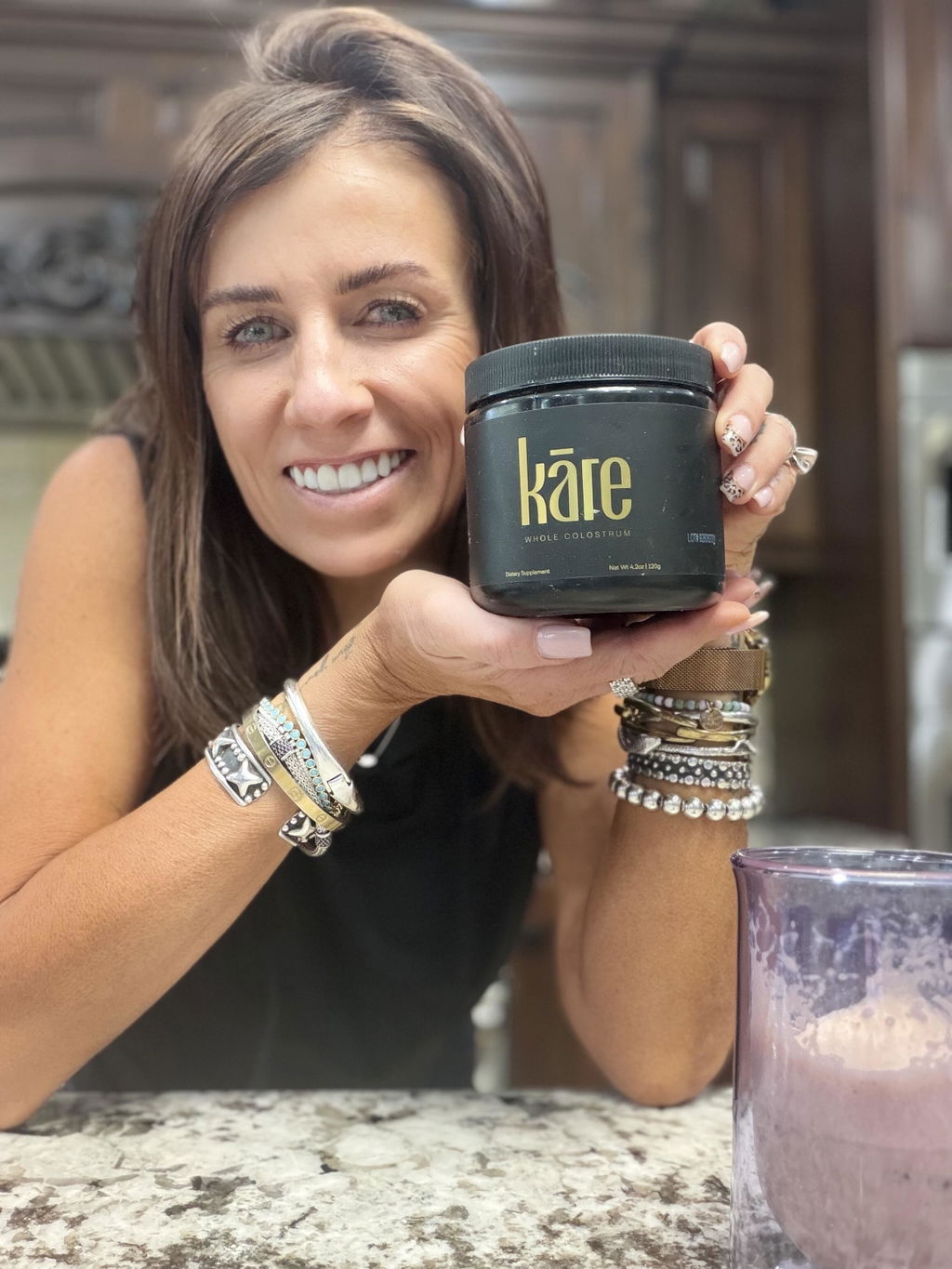
kāre's Approach: Accuracy Over Exaggeration
kāre sources colostrum from grass-fed, pasture-raised cows on New Zealand's South Island. These animals roam freely outdoors 365 days a year—not in stalls, not stressed—which naturally supports robust immune colostrum rich in IgG.
We process that colostrum fresh within 48 hours of collection using gentle low-temperature spray-drying (37-60°C). This preserves the bioactive structure of proteins including IgG. Then we use turbidity-corrected testing so we report actual, functional IgG—not an inflated number that looks better on marketing materials.
A lower accurate number beats a higher inflated number every single time. You're paying for results, not fiction.
New Zealand's pastoral farming standards mean our cows aren't routinely vaccinated or artificially stressed—factors that affect colostrum quality. Combined with our ethical harvesting (calves always receive their first 4 litres before collection begins), you're getting premium colostrum from cows that are genuinely well-cared-for.
This is why understanding what IgG actually does in your body matters. And if you're interested in the broader immune picture, how colostrum supports immune function is worth exploring too.
The Bottom Line
New Zealand colostrum IgG accuracy isn't just a technical detail—it's proof of integrity. It's the difference between a supplement brand that's confident enough to report real numbers and one that relies on marketing tricks.
When you choose kāre, you're not just buying a higher IgG count. You're buying transparency, ethical sourcing, and bioactive colostrum that your body can actually use. That's worth far more than an exaggerated number on a label.
Try kāre colostrum today and feel the difference accuracy makes.