Bioactive IgG Colostrum Explained: What It Is and Why It Actually Matters
You've seen the numbers. Bottles claiming 30g of IgG per serving. Websites talking about "immune-boosting" colostrum like it's a magic bullet. But here's the thing: not all IgG is created equal, and most people shopping for colostrum don't know the difference between a number that sounds impressive and one that actually works.
If you're researching bioactive IgG colostrum, you're asking the right question. Let's cut through the noise.
What Is IgG in Colostrum? The Simple Answer First
IgG stands for immunoglobulin G—think of it as your immune system's memory keeper. It's an antibody, a protein your body makes to recognize and respond to threats like bacteria and viruses. Colostrum (the nutrient-dense first milk a cow produces after calving) is naturally packed with IgG because it's designed to protect newborn calves during their most vulnerable weeks.
When you take colostrum as a supplement, you're essentially borrowing that immune wisdom. Your gut can absorb these antibodies, and research suggests they may support your own immune defenses and help maintain a healthy gut lining.
But here's what matters: the IgG has to survive the journey. If it's damaged during processing, the number on the label becomes meaningless.
The Science: Why Bioactivity Changes Everything
Colostrum is delicate. High heat, harsh chemicals, or aggressive processing can break down proteins—including IgG—and turn them into inactive fragments. When that happens, the IgG is technically still present, but it can't do its job anymore. It's like having a telephone directory with all the numbers smudged out.
This is where IgG transparency becomes critical. Many brands use standard testing methods that can't distinguish between intact, bioactive IgG and damaged protein fragments. The result? They report inflated numbers that don't reflect what your body can actually use.
Research shows that gentle processing—specifically low-temperature spray-drying—preserves the three-dimensional structure of IgG molecules. When IgG stays intact, it maintains its ability to bind to pathogens and support immune function. This is what "bioactive" really means: functionally alive, not just chemically present.
The mechanism is elegant. Bioactive IgG can coat the gut lining, creating a barrier against unwanted compounds. It may also bind to specific antigens (foreign substances) it's been programmed to recognize, essentially tagging them for removal. Studies suggest this is why some people report better gut health and improved microbiome balance after consistent colostrum use.
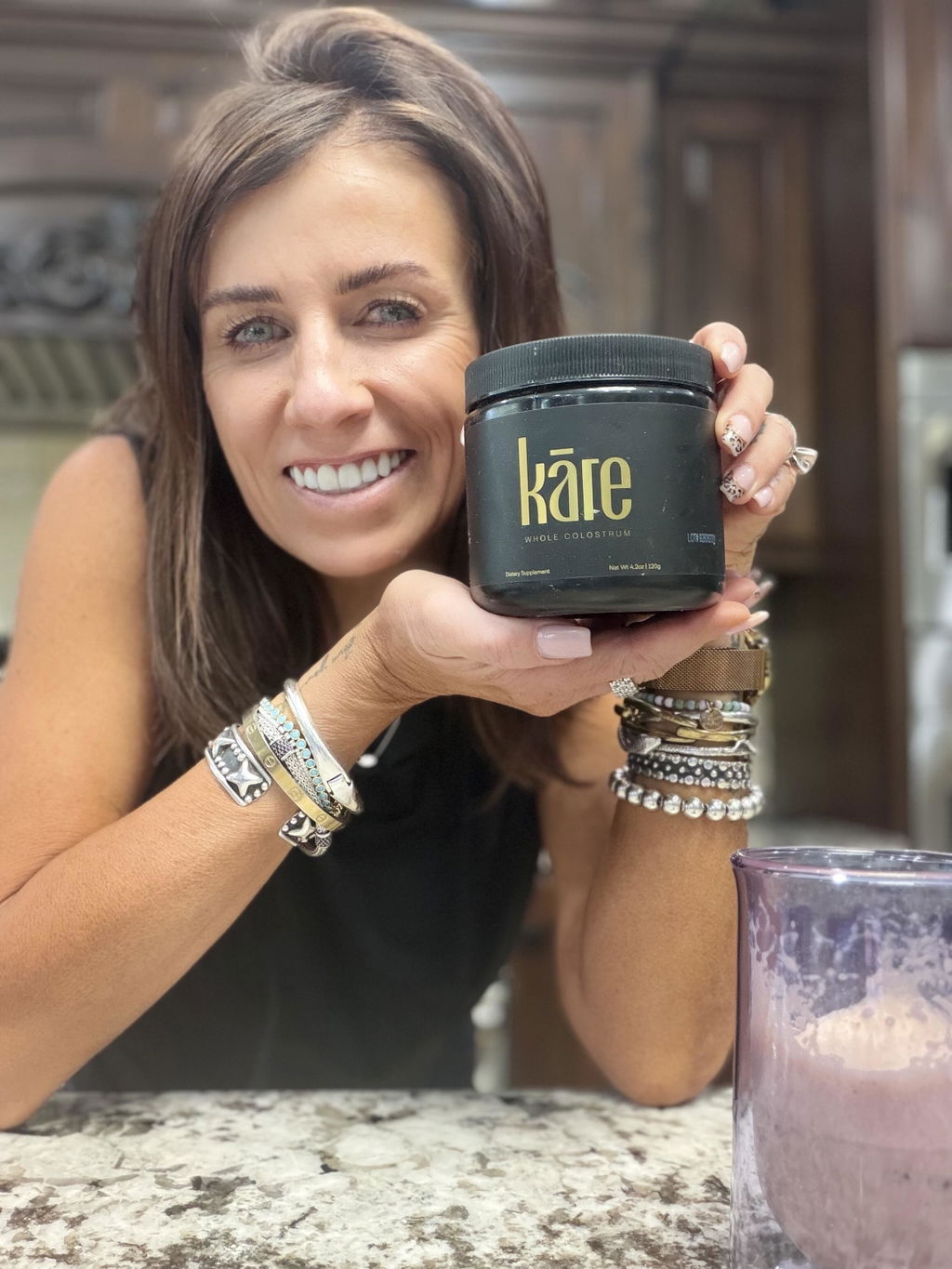
How kare Gets IgG Bioactivity Right
Here's our angle, stated plainly: we measure what actually works.
Our colostrum comes from grass-fed, pasture-raised cows on New Zealand's South Island—below the Southern Alps, where cows roam freely outdoors 365 days a year on 95%+ fresh grass diet. We process it fresh within 48 hours using gentle, low-temperature spray-drying (37–60°C), never freezing it.
The critical difference? We use turbidity-corrected IgG testing. This method accounts for damaged proteins and reports only the bioactive IgG your body can actually use. Our reported numbers are lower than some competitors'—and that's exactly the point. A lower accurate number beats a higher inflated one every time.
We're also transparent about ethics. Every calf receives their first 4 litres before we collect anything. No artificial stress, no routine vaccinations that might compromise colostrum quality. What you're getting is colostrum the way nature intended it—clean, complete, and genuinely bioactive.
This is why New Zealand bovine colostrum sourced and processed with care matters. It's not hype. It's quiet confidence in a product that does what it claims.
Ready to experience the difference bioactive colostrum can make? Try kare and feel the difference between real science and marketing noise.