How Colostrum Improves Athletic Performance: The Science Behind Natural Recovery
You're training hard. You're recovering harder. But somewhere between the gym sessions and the protein shakes, your body's natural defenses are working overtime—and that's where most athletes miss a crucial edge. If you've landed here searching for ways to genuinely improve athletic performance, you've probably heard whispers about colostrum. The good news: it's not hype. The better news: we'll explain exactly why it works, and what actually matters when choosing a supplement.
What Colostrum Actually Does for Athletic Performance (Plain Answer First)
Colostrum—the nutrient-dense first milk produced by cows after calving—contains concentrated levels of immune antibodies and growth factors that may support athletic performance in three key ways: maintaining gut barrier health during intense training, supporting faster recovery between sessions, and helping preserve immune function when your body is under physical stress.
Here's the plain version: intense exercise temporarily suppresses your immune system. This is called the "open window" effect, and it's why hard-training athletes catch colds more often than sedentary people. Colostrum is rich in IgG (immunoglobulin G, the primary immune antibody in your bloodstream), which research suggests may help maintain immune resilience during periods of heavy training. Additionally, colostrum contains lactoferrin and growth factors that support gut integrity—and since 70% of your immune system lives in your gut, this matters more than most athletes realize.
The Mechanism: How Bioactive Compounds Support Your Training Demands
Let's get into the science layer. Colostrum contains five main bioactive compounds that research has linked to athletic benefits:
IgG (immunoglobulin G)—the primary immune antibody—binds to pathogens and prevents them from crossing the gut barrier. When you're training intensely, your gut lining experiences increased permeability. IgG helps maintain the integrity of that barrier.
Lactoferrin, an iron-binding protein, has been shown in studies to support immune cell function and may help reduce upper respiratory infections in athletes during heavy training blocks.
Growth factors like IGF-1 (insulin-like growth factor-1) appear in colostrum at concentrations far higher than in mature milk. Research suggests IGF-1 may support muscle protein synthesis and recovery, though most effects are modest.
Proline-rich polypeptides (PRPs) appear to modulate immune response—meaning they don't just boost immunity indiscriminately, they help your immune system respond appropriately to actual threats.
Oligosaccharides function as prebiotics, feeding beneficial gut bacteria and supporting the microbiome diversity that underpins immune function.
The key insight: these compounds work together on gut health and immune resilience, not on muscle building directly. If you're looking for colostrum to replace strength training or add 20 pounds of muscle, you'll be disappointed. If you're looking to train harder, recover smarter, and stay healthy while doing it—that's colostrum's real superpower. For a deeper dive into how colostrum affects your immune system, learn more about colostrum and immune support.
Why kāre's Sourcing and Testing Matter More Than You Think
Here's where most athletes get misled: not all colostrum supplements are equal, and the differences matter for performance.
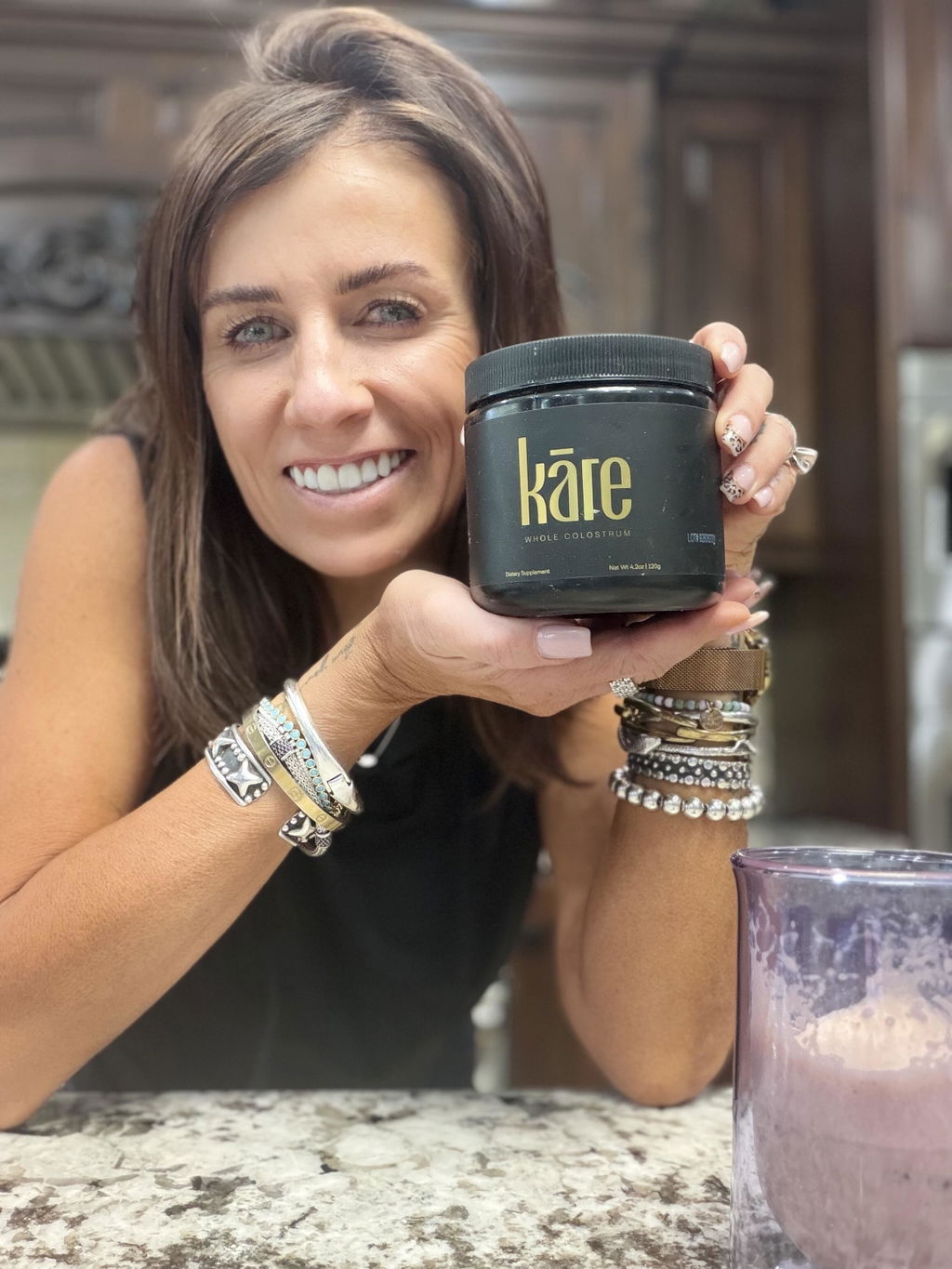
kāre sources from grass-fed, pasture-raised cows on New Zealand's South Island, below the Southern Alps. These animals roam freely outdoors 365 days a year on a diet that's 95%+ fresh grass. Why does this matter? Cows raised on fresh pasture produce colostrum with more bioactive compounds than those raised in conventional systems. This isn't marketing—it's measurable biochemistry.
We process colostrum fresh within 48 hours of collection using gentle low-temperature spray-drying (37–60°C). This preserves the delicate immune proteins. Many brands use harsh high-heat processing that damages proteins, then report inflated IgG numbers because they're measuring protein fragments, not bioactive molecules.
Here's the critical difference: kāre uses turbidity-corrected testing. This means our reported IgG represents actually bioactive antibodies, not degraded protein debris. A lower accurate number beats a higher inflated number every single time—especially if you're counting on immune support during peak training.
Every batch is certified FSSC 22000 (food safety), ISO 17025 (testing accuracy), Kosher, Halal, Non-GMO, and rBST-free. And yes, we're ethical about it: calves receive their first 4 litres before any collection. New Zealand cows are not routinely vaccinated or artificially stressed, which means the colostrum's bioactive profile reflects genuine, unstressed immune responses.
Want to understand exactly what IgG means and why accuracy matters? Explore our guide to IgG in colostrum.
If you're serious about athletic performance, recovery matters as much as training does. Colostrum won't make you faster or stronger by itself—but by supporting immune resilience and gut health, it creates the conditions for your training to actually pay off. Try kāre colostrum and experience the difference that genuine, ethically sourced, accurately tested colostrum can make.