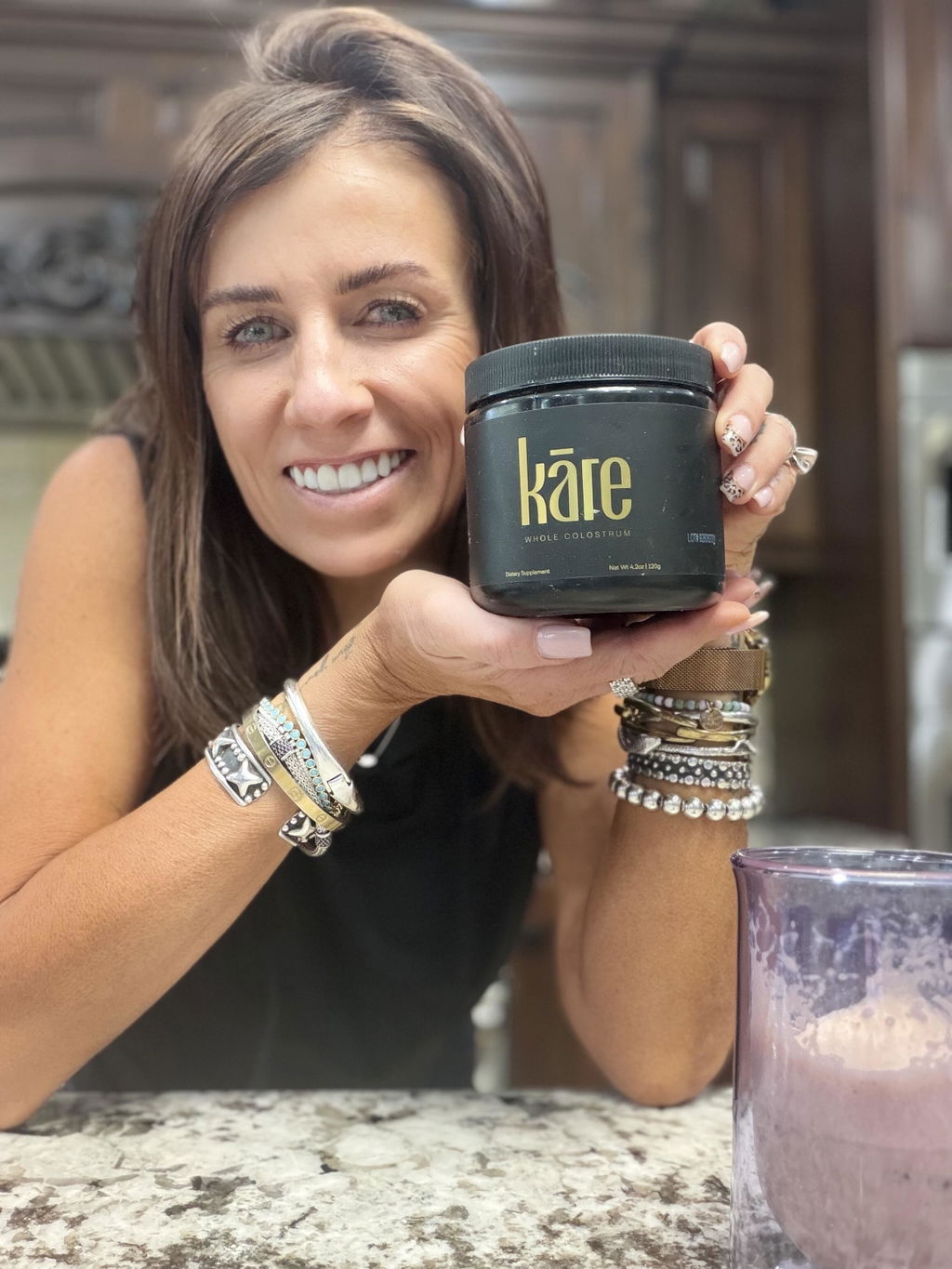
Colostrum vs Creatine for Athletes: Which Supplement Supports Your Performance?
If you're serious about athletic performance, you've probably researched both colostrum and creatine. They're both popular in training circles, they both have solid science behind them, and they both promise to help you recover faster and perform better. But they work in completely different ways—and that's actually the key to understanding which one (or both) might be right for you.
The Plain-Language Comparison: Colostrum vs Creatine
Let's cut through the noise. Creatine is a compound that your muscles use to produce quick bursts of energy during high-intensity exercise. It's well-researched, effective for strength and power, and it's been around for decades. Think of it as a direct fuel booster.
Colostrum—the nutrient-rich fluid that mammals produce in the first few days after birth—works differently. It's packed with immunoglobulins (antibodies that support immune function), growth factors, and amino acids that support recovery, gut health, and overall resilience. Rather than directly fueling muscle energy, colostrum supports the systems that help your body recover from training and stay healthy while you push hard.
In short: creatine energizes your muscles. Colostrum supports recovery and immunity. They're not competitors—they address different needs.
How They Work: The Science Behind the Difference
Creatine works through phosphocreatine, a molecule that rapidly regenerates ATP (adenosine triphosphate), which is the energy currency your cells use. More phosphocreatine means your muscles can sustain high-intensity efforts longer. This is why creatine is particularly effective for sprinters, weightlifters, and anyone doing short, explosive movements. Research consistently shows it increases strength and power output.
Colostrum operates on a broader stage. It contains IgG (immunoglobulin G, the main antibody in your immune system) and other bioactive proteins that may support several athletic needs: faster recovery between sessions, stronger gut barrier function (which matters because intense training can compromise gut health), and immune resilience during heavy training blocks when athletes are more vulnerable to illness. IgG in colostrum acts as a targeted immune supporter, helping your body maintain equilibrium while you stress it through training.
Research suggests colostrum may also support endurance capacity and reduce inflammation markers post-exercise—benefits that complement rather than overlap with creatine's explosive power boost.
Why kāre Colostrum Matters for Serious Athletes
Not all colostrum supplements are created equal, and this is where sourcing and processing become non-negotiable. kāre sources from grass-fed, pasture-raised cows on New Zealand's South Island, where animals roam freely 365 days a year on fresh grass. No routine antibiotics, no artificial stress—the immune systems of these cows are genuinely robust, which translates to richer, more bioactive colostrum.
Here's the critical part: we process fresh colostrum within 48 hours using low-temperature spray-drying (37-60°C). This gentle method preserves the delicate proteins and growth factors that make colostrum effective. Some brands use harsh processing that damages these bioactive compounds, yet they still report inflated IgG numbers. We use turbidity-corrected testing—meaning our reported IgG is actually bioactive, not just a vanity metric. A lower accurate number beats a higher inflated one.
For athletes stacking supplements, that integrity matters. You want colostrum that actually delivers what the research promises. Learn more about colostrum specifically designed for athletic recovery.
The bottom line: if you're deciding between creatine and colostrum, you're asking the wrong question. Many athletes benefit from both. Creatine for power and strength; colostrum for recovery, immunity, and long-term resilience. Choose kāre if you want colostrum sourced ethically from genuinely healthy cows and processed to preserve every bioactive compound. Try kāre colostrum and experience the difference that real sourcing and real processing make.