Colostrum for Strep Throat Prevention: Does It Really Work?
If you've had strep throat more than once, you know the drill: sudden sore throat, fever, maybe a course of antibiotics. And then you wonder—could something have stopped it before it started? You're not alone in asking. Strep prevention has become a real concern for parents, athletes, and anyone tired of missing work or school. Bovine colostrum (the nutrient-dense first milk from cows) is gaining attention as a potential immune support tool, and there's actually some science worth understanding here.
How Colostrum May Support Throat and Respiratory Health
Let's start plain and simple: colostrum is full of antibodies and immune-support proteins that your body uses to defend itself. The main player here is IgG (immunoglobulin G), an antibody that acts like a trained security guard in your immune system. When you take bovine colostrum, you're introducing these antibodies orally, where they can interact with your throat, mouth, and upper respiratory tract—exactly where strep bacteria like to set up shop.
Research suggests that colostrum may support immune function at mucous membrane barriers, which is the first line of defense against invading pathogens like Group A Streptococcus. Colostrum for immune system support has been studied for respiratory health, with some evidence pointing to reduced infection duration and severity in populations taking it regularly.
The science isn't claiming colostrum prevents strep throat outright—that would be overreaching. But the mechanism is sound: stronger local immunity at mucosal surfaces may reduce your susceptibility, especially when combined with basic hygiene and other preventive measures.
The IgG Factor: Why Quality Matters for Real Immune Protection
Here's where things get interesting—and where many colostrum brands drop the ball. IgG (immunoglobulin G) is the key antibody that gives colostrum its immune-support reputation. But not all reported IgG numbers are created equal.
Some brands use testing methods that count damaged, denatured proteins alongside active ones. Harsh processing—high heat, aggressive drying, freezing—breaks down these delicate proteins. The result? Inflated IgG numbers that look impressive on a label but don't deliver the actual immune support your body needs.
Understanding IgG in colostrum means asking one hard question: is this number real, or inflated by sloppy testing? Turbidity-corrected testing (the gold standard) measures only bioactive, intact proteins. A lower, accurate number beats a higher fake one every single time when your throat is on the line.
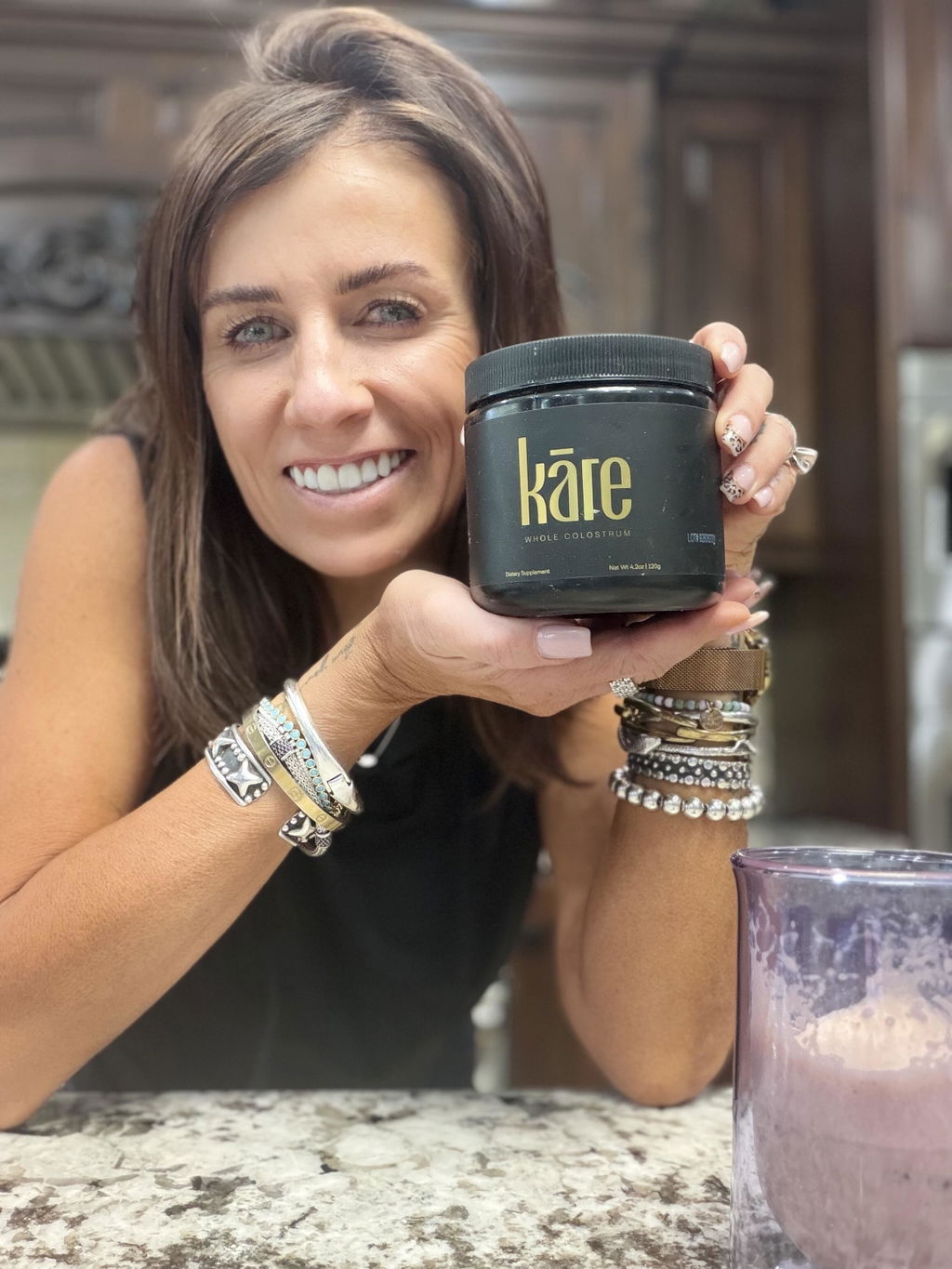
Why kāre's Colostrum Is Built for Real Immune Work
Our colostrum comes from grass-fed, pasture-raised cows on New Zealand's South Island. These animals roam freely outdoors 365 days a year on 95%+ fresh grass—no routine vaccinations, no artificial stress, no rBST. That matters because stress and poor conditions can compromise the immune quality of colostrum itself.
We process fresh within 48 hours using gentle low-temperature spray-drying (37–60°C). That's not marketing speak—it's the difference between proteins that stay active and proteins that get cooked into submission. We use turbidity-corrected IgG testing, so when we tell you what's in the bottle, you're getting the real number.
We also follow strict ethical standards: calves receive their first 4 litres before any collection ever happens. Your immune support shouldn't come at the cost of the animals that provide it.
For strep throat prevention specifically, you want colostrum with bioactive IgG and other immune factors intact. Kāre delivers that.
Strep prevention isn't about one magic ingredient—it's about building a stronger immune baseline over time. Colostrum may support that work, especially when sourced and processed with care. Try kāre and give your immune system the real thing.