Colostrum for Sinus Infections: How Bovine Colostrum May Support Respiratory Immunity
If you're dealing with a sinus infection, you're probably looking for anything that might help your immune system fight back faster. You've likely heard colostrum mentioned in wellness circles, and you're wondering whether this nutrient-dense first milk might actually make a difference. The short answer: research suggests colostrum's immune antibodies may support your body's natural defences, including in the respiratory tract where sinus infections take hold.
What Colostrum Does for Sinus and Respiratory Health
Colostrum is the nutrient-rich first milk produced by mammals in the days after birth. It's packed with immunoglobulins—essentially, antibodies that train and support your immune system. When you take bovine colostrum (from cows), you're getting a concentrated dose of these protective compounds.
For sinus infections specifically, the logic is straightforward: your sinuses are lined with mucous membranes that rely on a healthy immune response to manage bacterial and viral invaders. IgG and IgA (two types of antibodies found in colostrum) may help support that frontline defence. Research suggests these antibodies can support the body's ability to respond to pathogens in mucous membranes, which is exactly where sinus infections occur.
Many people report that adding colostrum to their wellness routine helps them recover faster from upper respiratory challenges and feel more resilient during seasons when sinus issues flare up.
The Immune Mechanism: Why Colostrum May Help
Your immune system relies on antibodies to recognize and respond to threats. Colostrum contains high concentrations of IgG (immunoglobulin G), the most abundant antibody in your bloodstream, plus secretory IgA, which is particularly important for protecting mucous membranes—the tissues lining your sinuses, throat, and airways.
When a sinus infection develops, your body's immune cells are working overtime to manage the inflammation and fight the infection. Colostrum may support this process by providing additional immune factors that research has shown can enhance the body's natural response mechanisms.
A key distinction: not all colostrum products deliver the same quality of these immune compounds. Some brands use harsh processing methods that damage these delicate proteins, then report inflated antibody numbers that don't reflect what's actually bioactive in the product. That's why transparency matters. You want IgG levels that have been accurately tested and verified to be functional, not just theoretically present.
Learn more about what IgG actually is and why accuracy in testing matters.
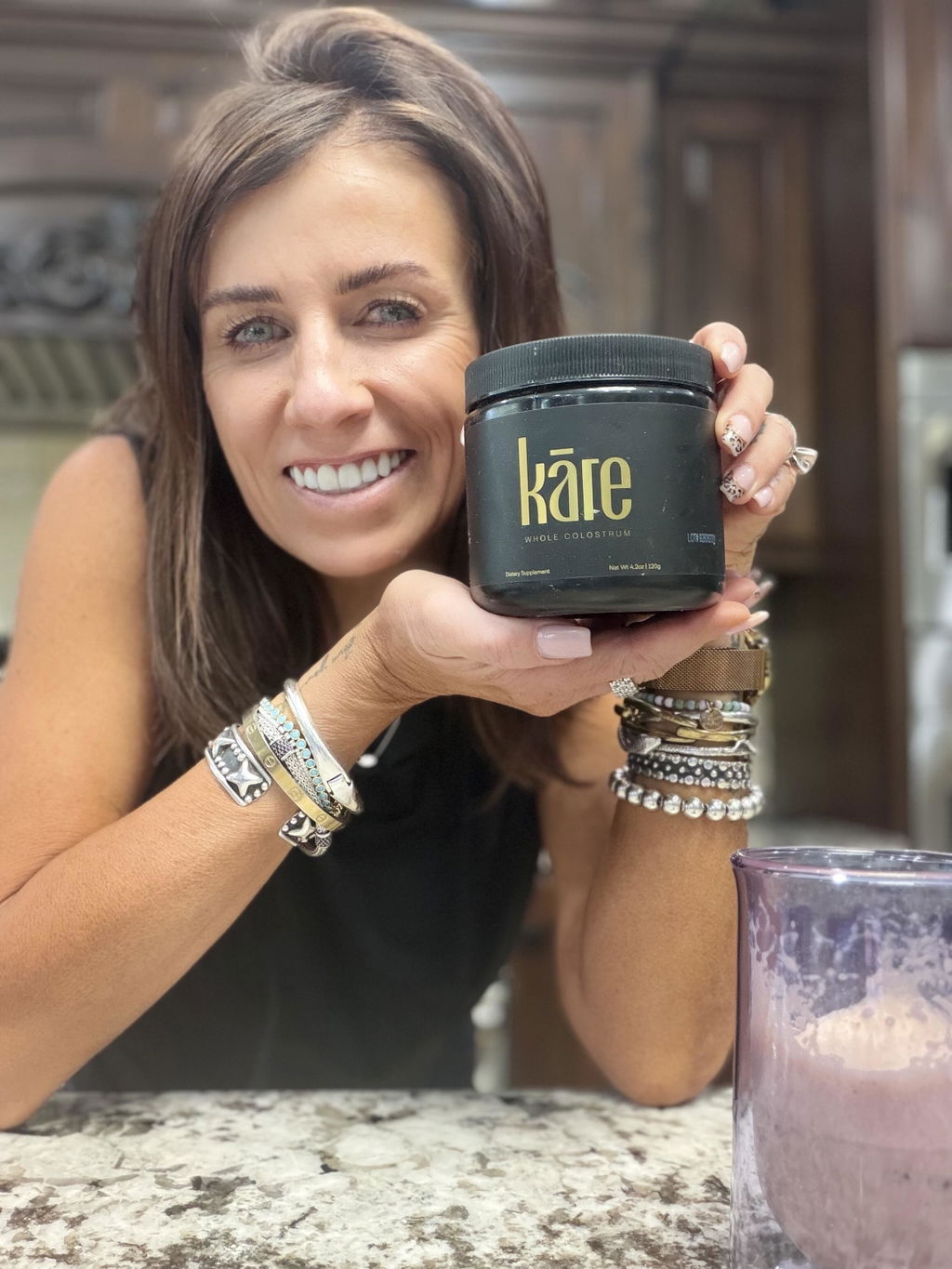
Why kāre Colostrum Stands Out for Immune Support
Not all colostrum is created equal. kāre sources its colostrum from grass-fed, pasture-raised cows on New Zealand's South Island, below the Southern Alps. These cows roam freely outdoors 365 days a year, eating a diet that's 95%+ fresh grass. That matters because a cow's nutrition directly influences the quality of her colostrum.
The processing is equally important. kāre uses a gentle low-temperature spray-drying method (37-60°C) that preserves the delicate bioactive proteins that make colostrum effective. The colostrum is processed fresh within 48 hours of collection—never frozen. This means the antibodies and immune factors remain intact and functional.
Here's the transparency piece: kāre reports IgG levels using turbidity-corrected testing, which means the numbers reflect what's actually bioactive in your supplement, not inflated figures from harsh processing methods. A lower, accurate number beats a higher, inflated one every time.
kāre is also rBST-free, non-GMO, and certified FSSC 22000 and ISO 17025. New Zealand cows aren't routinely vaccinated or artificially stressed, which contributes to cleaner, more reliable colostrum.
Want to understand more about why sourcing and processing matter? Explore what makes New Zealand bovine colostrum distinctive.
How to Use Colostrum for Immune Support
Most people take colostrum powder daily as part of their wellness routine, not just when symptoms appear. Consistency is key—your immune system benefits from ongoing support. Mix it into smoothies, coffee, or water. A typical serving is around 10-20 grams per day, though individual needs vary.
Colostrum works best as part of a broader immune strategy: adequate sleep, hydration, stress management, and a nutrient-rich diet all matter too.
The Takeaway
Sinus infections are uncomfortable and frustrating. While colostrum isn't a cure, research suggests its immune antibodies may support your body's natural defences during respiratory challenges. The quality of the colostrum you choose matters enormously—sourcing, processing, and transparent testing all determine whether you're getting a product that actually works.
If you're looking for clean, accurately tested, ethically sourced colostrum that supports immune resilience, try kāre. Your sinuses—and your immune system—will thank you.