Why the 48-Hour Colostrum Processing Window Matters More Than You Think
If you've been researching colostrum supplements, you've probably noticed that processing time gets mentioned—but often glossed over like it's just a nice-to-have. It's not. The 48-hour window between collection and processing is actually one of the most critical factors determining whether your colostrum supplement is genuinely bioactive or just expensive powder. Let's break down why.
The 48-Hour Window: What It Actually Means for Your Colostrum
Here's the plain truth: colostrum is a living fluid. The moment it's collected from a cow, a biological countdown begins. The proteins, antibodies, and growth factors that make colostrum worth taking start to degrade. This isn't dramatic or apocalyptic—it's just chemistry.
A 48-hour processing window means the time from collection to the moment colostrum enters the spray-drying chamber (a gentle heating process that removes water and stabilizes the powder). Within this narrow window, the most delicate bioactive compounds—particularly immunoglobulins like IgG, the key immune antibody in colostrum—remain stable and functional.
Think of it like fresh orange juice. You can drink it immediately after squeezing, or you can refrigerate it for a day or two and it's still nutritionally solid. But leave it sitting for a week? The vitamin C oxidizes. The enzymes break down. You're left with juice that tastes like juice but isn't quite the same thing.
Colostrum works the same way—except the window is tighter, and the stakes are higher.
The Science Behind Bioactive Stability: Why Fresh Matters
The bioactive proteins in colostrum are fragile. IgG (immunoglobulin G), lactoferrin, and growth factors like IGF-1 (insulin-like growth factor 1—a compound involved in tissue repair) all start breaking down immediately after collection, especially if exposed to temperature fluctuations or oxidation.
Research suggests that prolonged storage before processing—beyond that 48-hour window—significantly reduces the bioactive integrity of these compounds. Some brands take shortcuts here. They collect colostrum and refrigerate it for extended periods, or they use harsh processing temperatures (sometimes exceeding 70°C) that denature proteins. The result? They get lower IgG readings, so they either inflate their testing claims or simply market products with genuinely diminished potency.
Here's what matters: the fresher the processing, the less damage occurs to the protein structure itself. A supplement that preserves the original molecular shape of these proteins will be more biologically recognizable to your immune system and gut, and research suggests it may support immune function and gut microbiome balance more effectively than degraded alternatives.
How kāre Honors the 48-Hour Window—and Why It Matters
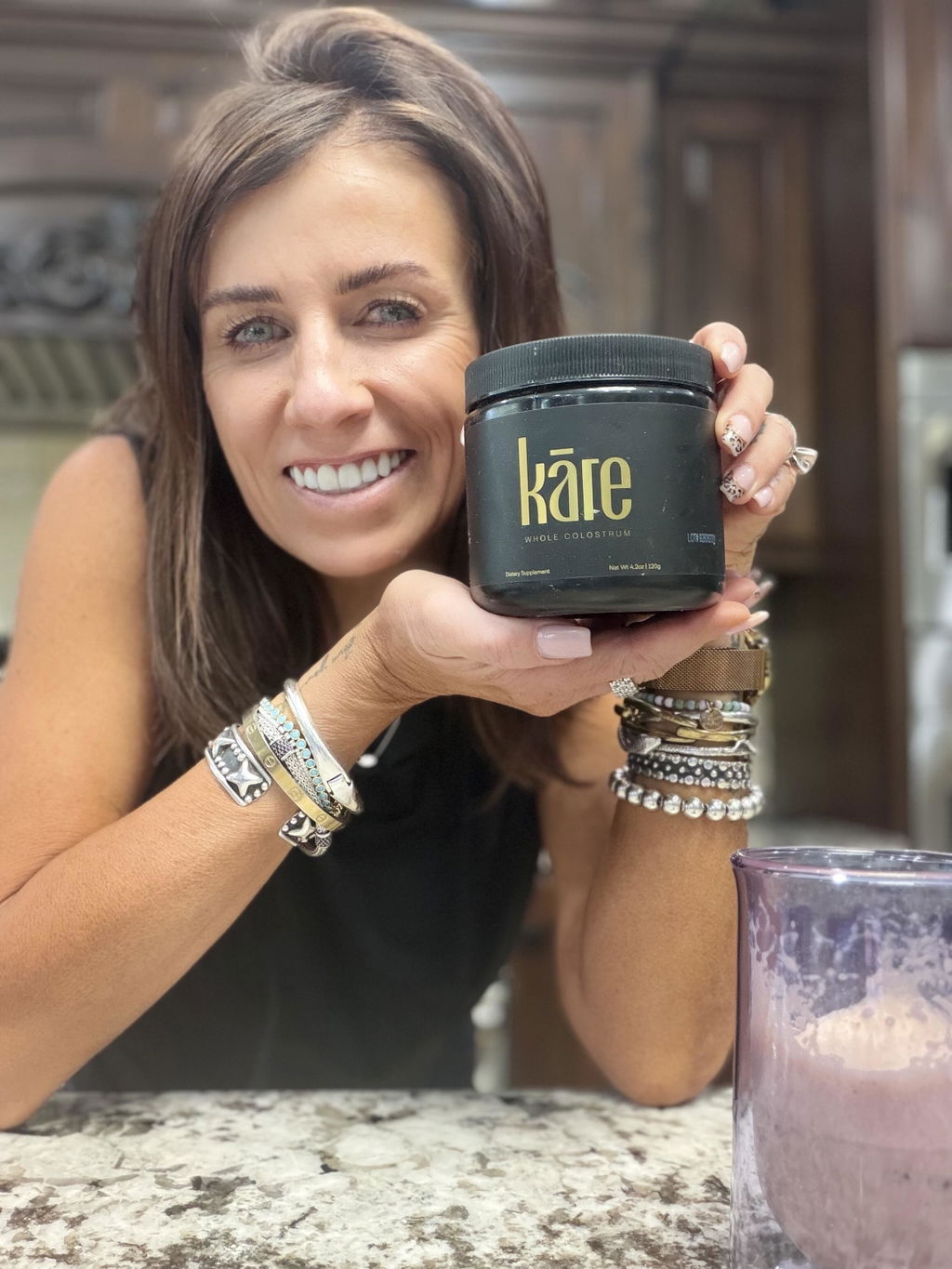
kāre colostrum is collected from grass-fed, pasture-raised cows on New Zealand's South Island—below the Southern Alps—and processed fresh within 48 hours. Every single batch. No frozen storage in between. No cutting corners.
Our cows roam outdoors 365 days a year on 95%+ fresh grass, and they're never routinely vaccinated or artificially stressed—which means their colostrum is naturally robust and rich with antibodies from their own immune systems.
But here's where we get rigorous: we use turbidity-corrected IgG testing. This means when we report an IgG number, it's the actual bioactive IgG count—not inflated by harsh processing damage or aggressive testing artifacts. A lower accurate number beats a higher inflated number, full stop.
And because we spray-dry at gentle temperatures (37–60°C), we preserve the original protein structures. The result is a supplement that research suggests may better support immune function and gut integrity than products processed the cheaper, faster way.
We're also transparent about ethics: every calf receives their first 4 litres of colostrum before we collect any. That's not marketing—that's how we think farming should work.
The 48-hour window isn't a selling point we invented. It's a standard that separates supplements that actually work from supplements that *used to* work before they hit the shelf. When you choose try kāre, you're choosing a brand that respects that window—and your health—seriously.