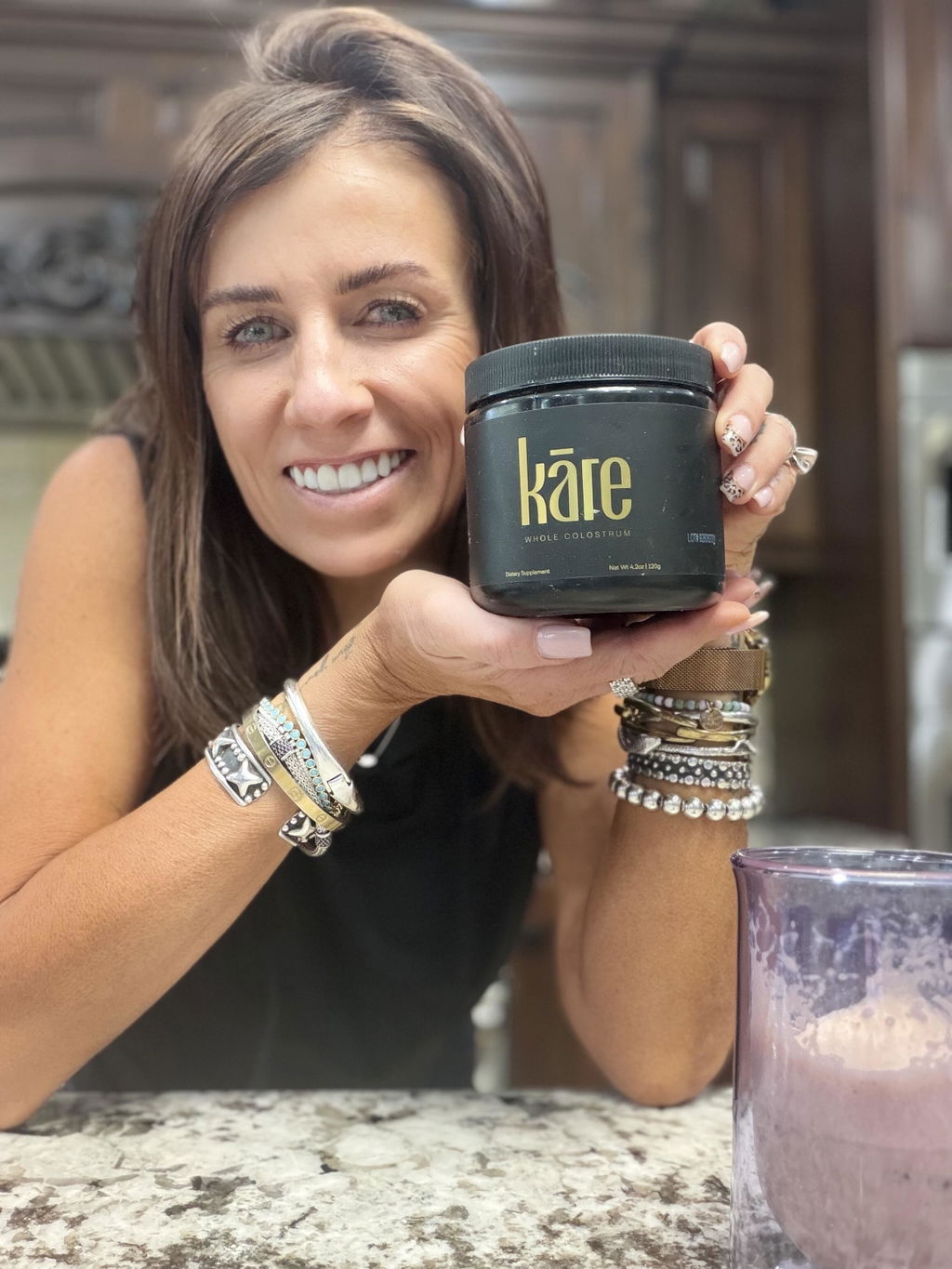
Fresh Processed Colostrum vs Frozen: Why Processing Method Matters More Than You Think
You've decided colostrum is worth adding to your wellness routine. Smart move. But now you're standing in the supplement aisle—or scrolling through options online—and you're noticing something: some brands emphasize "fresh processed" while others lean into "frozen." So which one actually works better? The answer might surprise you, because the difference isn't just marketing speak. It's about bioactive proteins, processing temperature, and whether the immune compounds you're paying for are still alive and kicking when they hit your digestive system.
Fresh Processed vs Frozen: The Plain Language Answer
Let's cut through the noise. Fresh processed colostrum is collected from the cow, then rapidly dried (usually within 48 hours) using low-temperature methods. Frozen colostrum, by contrast, is collected and then stored at sub-zero temperatures before processing happens later—sometimes much later.
Here's why this matters: colostrum is packed with delicate immune proteins called immunoglobulins, or IgG (essentially, Y-shaped antibody molecules that train your immune system). These proteins start degrading the moment they're exposed to air, light, and temperature fluctuations. Freezing slows this degradation, but it doesn't stop it entirely. And when you eventually thaw frozen colostrum to process it, you're subjecting those proteins to thermal stress all over again.
Fresh processing—done gently and quickly—means less time for degradation and fewer thermal cycles. The result: more bioactive IgG reaching your system in the form your body can actually use.
The Science: Why Timing and Temperature Make a Real Difference
Colostrum's magic lies in its concentrated population of bioactive compounds: IgG antibodies, lactoferrin, proline-rich polypeptides (PRP), and growth factors. These aren't inert molecules. They're living proteins designed to survive the harsh environment of your stomach and intestines. But they're fragile during collection and processing.
Research on protein stability shows that even brief exposure to temperatures above 60°C begins denaturing (unfolding and breaking) immunoglobulin structures. When colostrum is frozen immediately after collection, ice crystals can form and rupture cell membranes, causing further protein damage. When it's later thawed and processed with conventional high-heat spray-drying (common in the industry), those damaged proteins are the ones being concentrated and measured.
This is where a crucial testing issue emerges: many brands report inflated IgG levels because they're counting denatured proteins—essentially broken immunoglobulins that won't function as intended. A lower, accurately measured IgG number is far more valuable than a higher, misleading one.
Fresh processing with gentle, low-temperature drying (37-60°C) preserves protein structure throughout. Combined with turidity-corrected IgG testing (which measures only truly functional antibodies), you get a more honest picture of what's actually bioavailable to your body. This is why some research on IgG in colostrum emphasizes processing integrity over raw numbers.
Why kāre's Fresh Processing Approach Changes the Game
We source from grass-fed, pasture-raised cows on New Zealand's South Island—below the Southern Alps, where the clean air and pristine pasture mean fewer pathogens and cleaner raw material to begin with. Our cows graze freely outdoors 365 days a year, eating 95%+ fresh grass. That genetics matters.
But genetics alone isn't enough. We process within 48 hours of collection, using gentle low-temperature spray-drying that preserves the delicate bioactive structure colostrum is famous for. No freezing. No harsh re-processing. And critically, we use turbidity-corrected IgG testing—which means our reported IgG levels reflect actually functional antibodies, not broken protein fragments.
We're also transparent about what we don't do: our New Zealand cows aren't routinely vaccinated or artificially stressed (both of which some farms use to artificially spike colostrum compounds). We're FSSC 22000 and ISO 17025 certified, which means third-party labs verify what we claim.
If you're serious about supporting your immune system with colostrum, the freshness and integrity of processing matter as much as the source. Fresh processed beats frozen, and transparent testing beats inflated marketing claims.
Ready to experience the difference clean sourcing and honest processing can make? Try kāre today—and feel the quiet confidence that comes from knowing exactly what you're putting in your body.