New Zealand Dairy Farming Standards: Why They Matter for Your Colostrum
If you're researching where your colostrum comes from, you've probably noticed New Zealand mentioned more than once. That's not marketing hype—it's geography, regulation, and a farming culture that happens to produce some of the world's most ethical, nutrient-dense bovine colostrum. But what exactly makes New Zealand dairy farming standards different? And why should you care?
The New Zealand Difference: What the Standards Actually Are
New Zealand's dairy farming standards are shaped by three things: isolation, climate, and genuine regulation. The country sits at the bottom of the South Pacific with strict biosecurity laws that keep out diseases common elsewhere. That means New Zealand cows aren't routinely vaccinated or artificially stressed the way dairy herds are in other regions—because they don't need to be.
But the real story is on the land itself. New Zealand dairy farms operate under strict animal welfare codes and environmental regulations. Cows must have access to pasture—it's not optional, it's mandated. This means the majority of NZ dairy cows graze outdoors 365 days a year on fresh, mineral-rich grass, particularly in regions below the Southern Alps where the soil is especially nutrient-dense.
Unlike some dairy regions where "grass-fed" means a few months of grazing, New Zealand's regulatory environment enforces year-round outdoor access and a 95%+ grass-based diet as standard practice. The result? Colostrum that reflects genuinely superior farming conditions, not just marketing language.
How Superior Farming Conditions Show Up in Your Colostrum
The science is straightforward: what a cow eats and how she lives directly affects her colostrum's bioactive properties. Grass-fed, pasture-raised cows produce colostrum richer in immunoglobulins—particularly IgG, the antibody that may support immune system function.
Here's the mechanism: when a cow spends her life grazing diverse pasture and moving naturally, her immune system encounters a broader range of environmental challenges. Her body responds by producing colostrum with a more complex, resilient antibody profile. Confined or grain-fed cows simply don't have this immune stimulation, so their colostrum reflects that narrower exposure.
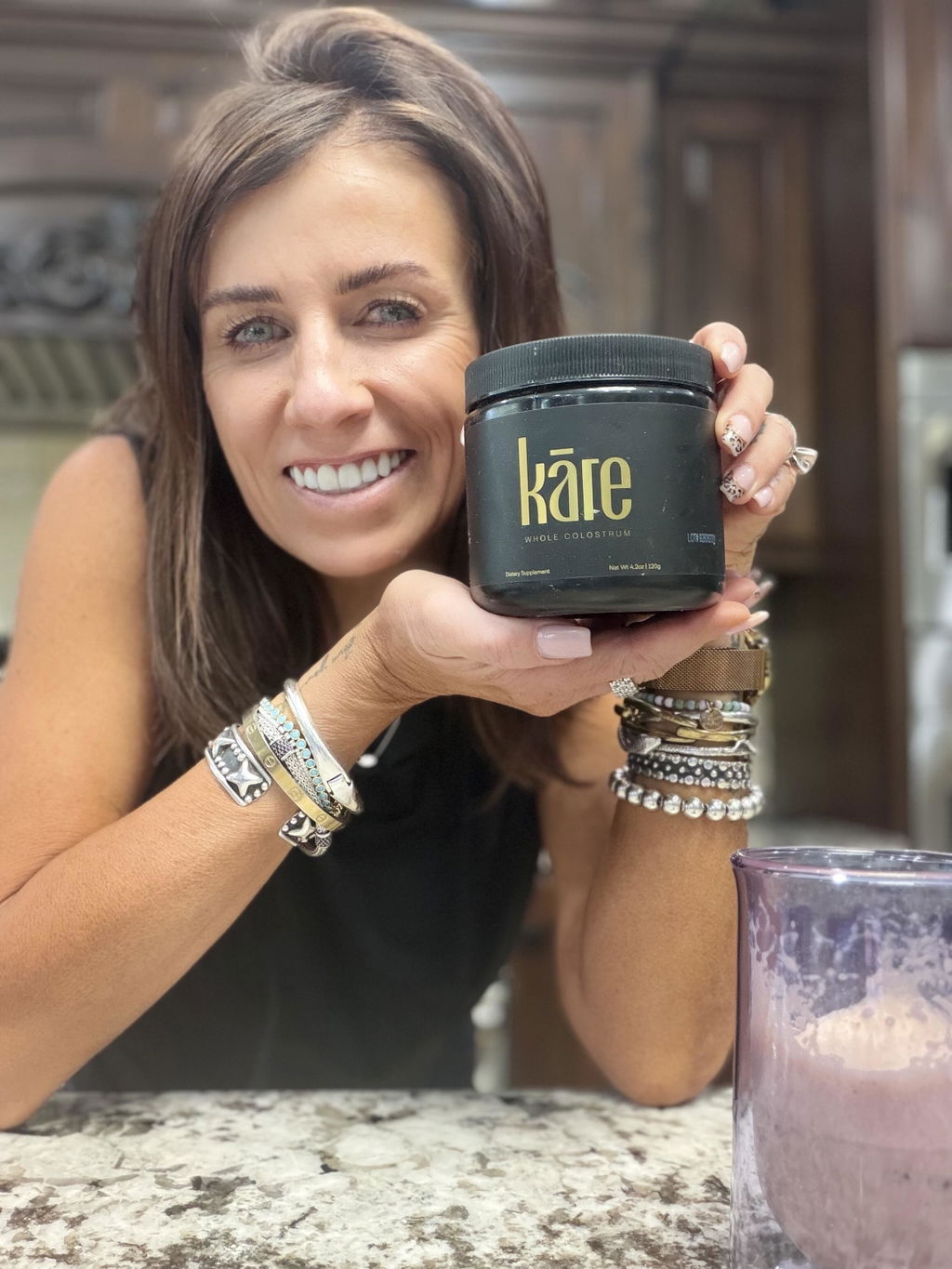
This is why testing matters. Many colostrum brands report IgG numbers that look impressive—but those numbers often come from harsh processing methods that damage proteins. The high number reflects damaged protein fragments, not functional antibodies. New Zealand's regulatory environment and kāre's turbidity-corrected testing means we report IgG numbers that are actually bioactive, which may be lower than competitor claims but far more useful to your body.
Kāre's Commitment to New Zealand Standards—And Beyond
We source from grass-fed, pasture-raised cows on New Zealand's South Island, where the farming standards are built into the system, not bolted on as an afterthought. Our cows roam freely outdoors year-round on fresh grass in one of the world's cleanest dairy regions.
But sourcing from a premium region is only half the story. We process colostrum fresh—never frozen—within 48 hours of collection using gentle, low-temperature spray-drying (37-60°C) that preserves bioactive properties. This is slower and more expensive than industrial processing, but it's the only way to honor what those New Zealand cows produced.
We're also transparent about what we don't do: no rBST (artificial growth hormone), no additives, no preservatives, no inflated IgG numbers. Every batch is certified FSSC 22000 and ISO 17025, so the science you see is the science that's actually there. And because we believe in ethics as much as quality, calves receive their first four liters of colostrum before we collect any—always.
New Zealand's dairy farming standards exist because the country chose to do things differently. We chose to source from those farms because we believe your colostrum should reflect that same commitment to quality and integrity. Ready to experience the difference? Try kāre colostrum and taste what ethical farming actually produces.