Why New Zealand Has the Best Dairy in the World
If you've ever wondered why New Zealand dairy products—especially colostrum—command respect on the global stage, you're not imagining things. There's a genuinely compelling reason New Zealand consistently produces some of the world's finest bovine supplements. It's not marketing hype. It's geography, regulation, and a farming philosophy that prioritises animal welfare over shortcuts.
The Plain Truth: What Makes New Zealand Dairy Stand Out
New Zealand's dairy superiority comes down to three things: grass, space, and zero tolerance for pharmaceutical shortcuts.
First, the grass. New Zealand's South Island sits below the Southern Alps in a climate that grows exceptionally nutrient-dense pasture year-round. Our dairy cows don't spend 8 months indoors eating hay and grain. They roam freely outdoors 365 days a year, eating fresh grass that's naturally rich in the compounds that end up in colostrum. A 95%+ grass-fed diet isn't a marketing claim here—it's the default.
Second, space. New Zealand has strict biosecurity laws and vastly fewer cows per hectare than most dairy nations. This means lower disease pressure and no need for routine prophylactic antibiotics or artificial growth hormones (rBST). Other countries vaccinate and medicate defensively. We don't.
Third, regulation. New Zealand's dairy sector operates under some of the world's most rigorous food safety standards (FSSC 22000, ISO 17025). There's genuine oversight, not just self-regulation.
The Science: Why It Matters for Colostrum Quality
Here's where it gets interesting. Colostrum's potency depends on intact bioactive proteins—particularly IgG (immunoglobulin G), the key immune antibody that research suggests may support immune function and gut health.
The problem? Many colostrum products report inflated IgG numbers because harsh processing methods (high heat, aggressive extraction) damage the very proteins they're measuring. They're counting broken proteins alongside intact ones, which is like counting burst grapes as grapes.
New Zealand's best producers—like kāre—use gentle low-temperature spray-drying (37–60°C, a range that preserves delicate proteins). More importantly, they use turbidity-corrected IgG testing, a measurement method that only counts bioactive, intact proteins. This means our reported IgG is actually functional.
The upstream advantage: grass-fed, unstressed cows produce colostrum with naturally higher concentrations of these protective compounds to begin with. Then we preserve them properly. This is why understanding IgG in colostrum matters—not all numbers are equal.
The kāre Difference: New Zealand Sourcing Done Right
We're sourcing from the right place, but we're also doing it the right way.
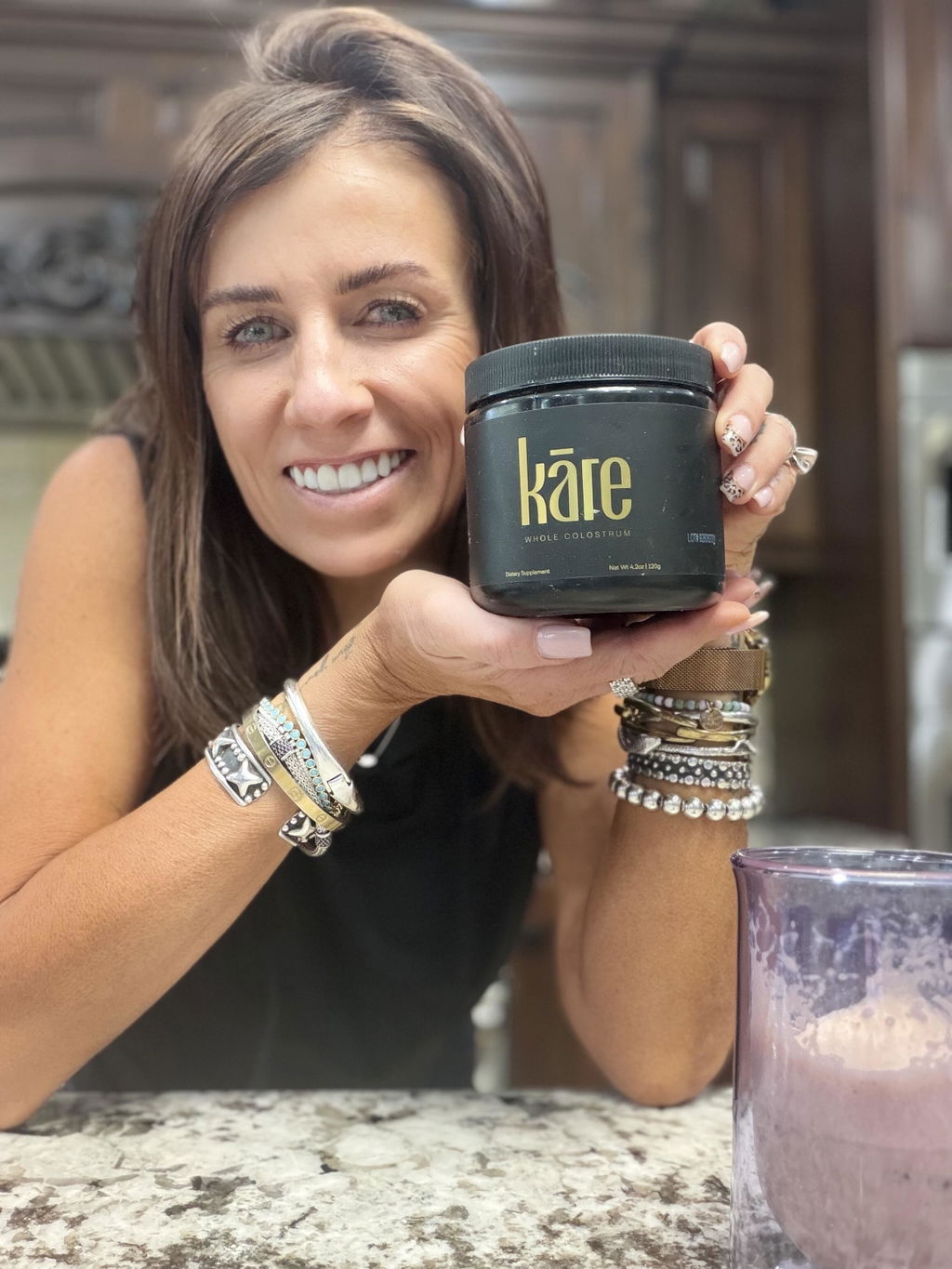
Our colostrum comes from grass-fed, pasture-raised cows on New Zealand's South Island—genuine, audited grass feeding. It's processed fresh (never frozen) within 48 hours of collection to minimise oxidative damage. Calves always receive their first 4 litres before we collect anything, because ethical sourcing isn't negotiable.
Crucially: we're transparent about bioactive content. No inflated numbers. No marketing tricks. Our turbidity-corrected IgG testing means what we report is what you actually get—bioactive protein that research suggests may support immune resilience, gut microbiome diversity, and recovery.
We're also rBST-free, non-GMO, free of additives and preservatives, and certified across multiple standards (Kosher, Halal, Non-GMO Project Verified). New Zealand produces the best raw material. We just refuse to diminish it.
New Zealand's dairy leadership isn't accidental. It's built on clean air, unmedicated herds, rigorous standards, and a cultural commitment to doing things properly. When you're sourcing colostrum—or any premium dairy product—geography and ethics aren't separate from quality. They're the foundation of it.
Ready to experience the difference? Try kāre colostrum and feel what genuinely premium New Zealand sourcing tastes like.