New Zealand Colostrum Sustainability: How Ethical Farming Protects Quality and Planet
If you're searching for colostrum that doesn't compromise on ethics or efficacy, you've already spotted the tension. Most supplements come with a hidden cost—whether environmental, animal welfare, or nutritional integrity. New Zealand colostrum sustainability isn't marketing fluff. It's the foundation that separates genuinely nourishing supplements from ones that look good on paper.
Let's talk about what sustainability actually means in colostrum production, and why the source matters more than the label.
What Does Sustainability Mean for Colostrum?
Sustainability in colostrum production means three things working together: animals raised ethically, land managed responsibly, and nutrients preserved through gentle processing.
Most colostrum comes from industrialised dairy operations where cows live indoors, eat grain-heavy diets, and are routinely vaccinated or subjected to stress protocols—practices that can actually alter the composition of their colostrum. Not ideal if you're looking for bioactive, potent immune support.
New Zealand's grass-fed, pasture-based model is fundamentally different. South Island cows roam freely outdoors 365 days a year, grazing on fresh grass that makes up 95% of their diet. They're not confined. They're not routinely vaccinated. The landscape below the Southern Alps is naturally clean, and the farming practices reflect that—rBST-free, non-GMO, no artificial stressors. That's not just better for the cows. It's better for the colostrum they produce.
The Science Behind Sustainable Colostrum Quality
When cows are raised outdoors on grass diets, their colostrum reflects that healthier baseline. Research suggests that pasture-raised dairy animals produce colostrum with more robust immune factors—the antibodies and growth factors that make colostrum valuable in the first place.
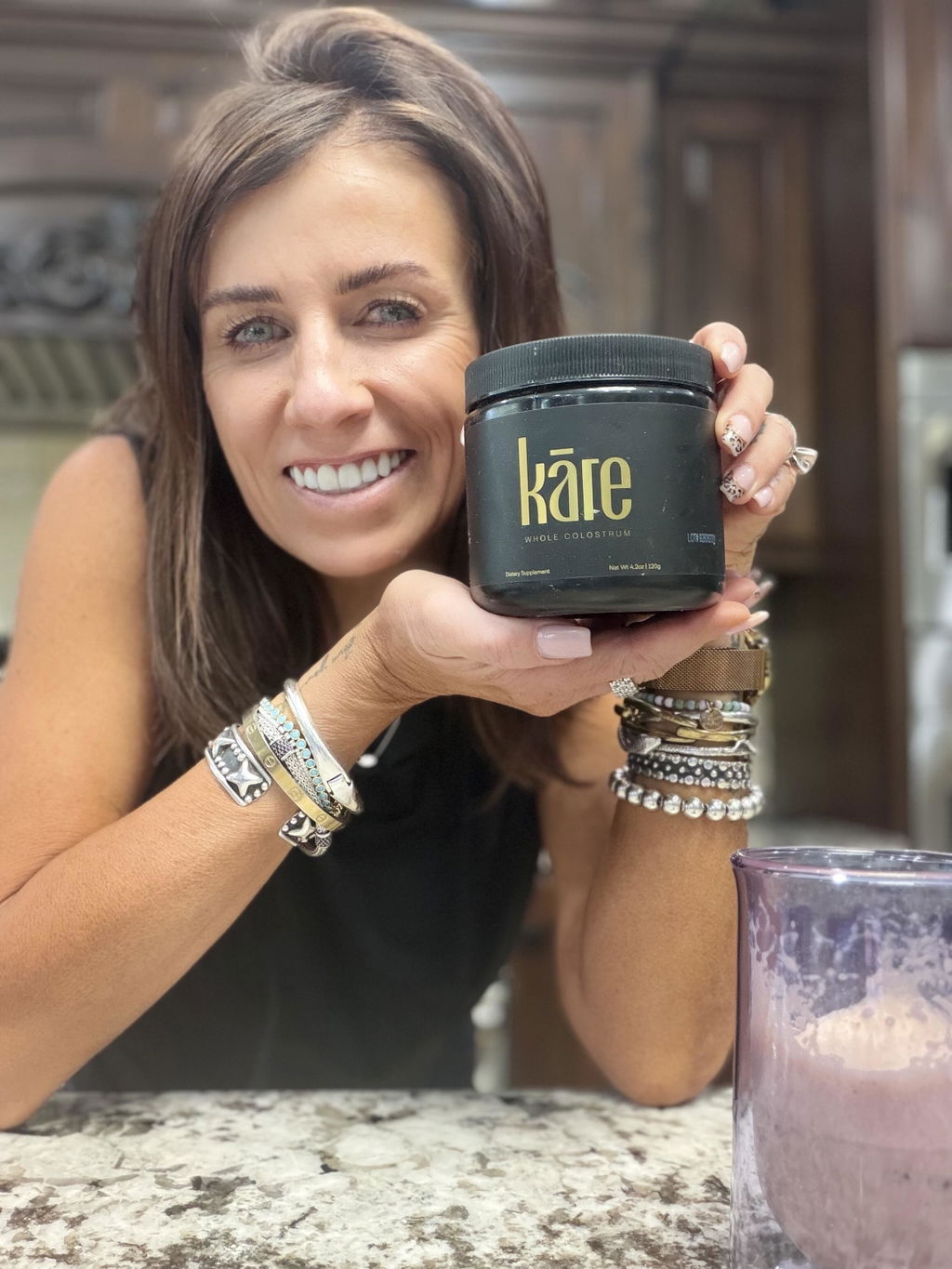
Here's where processing matters equally. Colostrum is fragile. Harsh heat or chemical extraction damages the bioactive proteins you're paying for. kare uses low-temperature spray-drying (37-60°C) and processes colostrum fresh within 48 hours of collection—never frozen, never delayed. This gentle approach preserves the IgG (immunoglobulin G, the key immune antibody in colostrum) and other bioactive compounds that research has shown may support gut health, immunity, and recovery.
The sustainability loop completes itself: ethical farming + gentle processing + verified purity = colostrum that actually works, not colostrum that looks good in a lab report inflated by aggressive testing methods.
kare's Approach to New Zealand Colostrum Sustainability
kare was built on the belief that premium colostrum should be transparent about where it comes from and how it's handled.
We source exclusively from grass-fed, pasture-raised cows on New Zealand's South Island. Before any colostrum is collected for supplement production, each calf receives their first 4 litres—the most nutrient-dense portion. That's non-negotiable. It's ethical. It's also why our supply is limited and our commitment is real.
Our IgG testing uses turbidity-corrected methodology, meaning the numbers we report are actually bioactive. Some brands report inflated IgG counts because harsh processing damages proteins—yet the testing method masks that loss. We don't. A lower accurate number beats a higher inflated one, every time. We're FSSC 22000 and ISO 17025 certified, so our purity is independently verified.
This isn't virtue signalling. Sustainable sourcing is the only way to produce colostrum that's genuinely premium. When you support ethical farming, you're not just making a better choice—you're getting a better product. Learn more about what IgG actually is in colostrum and why accurate testing matters.
Colostrum sustainability isn't about checking boxes. It's about respecting the source, protecting the product, and delivering something that actually works. If you're here because you care about both, try kare and experience the difference ethical sourcing makes.