Pasture-Raised Colostrum from South Island New Zealand: Why Sourcing Matters
If you're searching for pasture-raised colostrum from South Island, you're already thinking like someone who knows that where your supplements come from matters. Not all colostrum is created equal—and geography, farming practices, and processing speed make a measurable difference in what you're actually putting in your body.
We source our colostrum exclusively from grass-fed, pasture-raised cows on New Zealand's South Island, below the Southern Alps. These aren't cows living in confined conditions. They roam freely outdoors 365 days a year on fresh pasture. That's not marketing speak—that's their actual life. And it changes everything about the colostrum they produce.
What Makes South Island Pasture-Raised Colostrum Different
Pasture-raised colostrum is the first milk a cow produces after giving birth, and it's packed with immune compounds, growth factors, and nutrients designed by nature to protect a newborn calf. When a cow spends its life grazing on open pasture—especially in the clean, temperate climate of New Zealand's South Island—the quality of that colostrum reflects her living conditions.
Our cows maintain a 95%+ diet of fresh grass year-round. They're not routinely vaccinated or artificially stressed. They're not treated with rBST (a synthetic growth hormone). The combination of ethical farming, clean air, and minimal intervention means their colostrum contains a robust, naturally diverse profile of immune antibodies and bioactive compounds.
Here's the practical part: colostrum begins to degrade the moment it's collected. We process ours within 48 hours—fresh, never frozen—using gentle low-temperature spray-drying (37-60°C). This preserves the delicate proteins and immune factors that make colostrum worth taking in the first place. Many larger producers use harsher processing methods that damage these bioactive components without realizing it.
The Science Behind Bioactive Colostrum
The star player in colostrum is IgG (immunoglobulin G)—the primary immune antibody that protects against pathogens and supports immune function. Here's where transparency matters: some brands report extremely high IgG numbers because their testing methods don't account for protein damage caused by harsh processing. They're measuring total protein, not bioactive protein.
We use turbidity-corrected testing, which means our reported IgG numbers reflect what's actually bioactive and available to your body. A lower, accurate number beats a higher inflated number every time—and that's the difference between genuine efficacy and marketing numbers.
Research suggests that colostrum IgG may support immune system resilience and help maintain healthy gut barrier function. The mechanism is straightforward: IgG binds to pathogens and supports the intestinal lining's ability to filter out unwanted particles. This is why colostrum has been studied for its relationship to gut health—a healthy barrier supports a healthy microbiome.
Why Our South Island Sourcing Approach Matters
We're not just buying colostrum from the lowest bidder and slapping a label on it. Our South Island sourcing is direct and ethical. Calves receive their first 4 litres of colostrum before we collect any—because that's the right thing to do. Our certifications (FSSC 22000, ISO 17025, Kosher, Halal, Non-GMO, rBST-free) aren't badges we're proud of for the sake of it. They're assurances that what we say about our farming and processing actually holds up under scrutiny.
The South Island's cool climate, clean water, and regulation of farming practices create an environment where premium colostrum is possible. Combined with our commitment to processing speed and gentle extraction, you get colostrum that performs like it's supposed to.
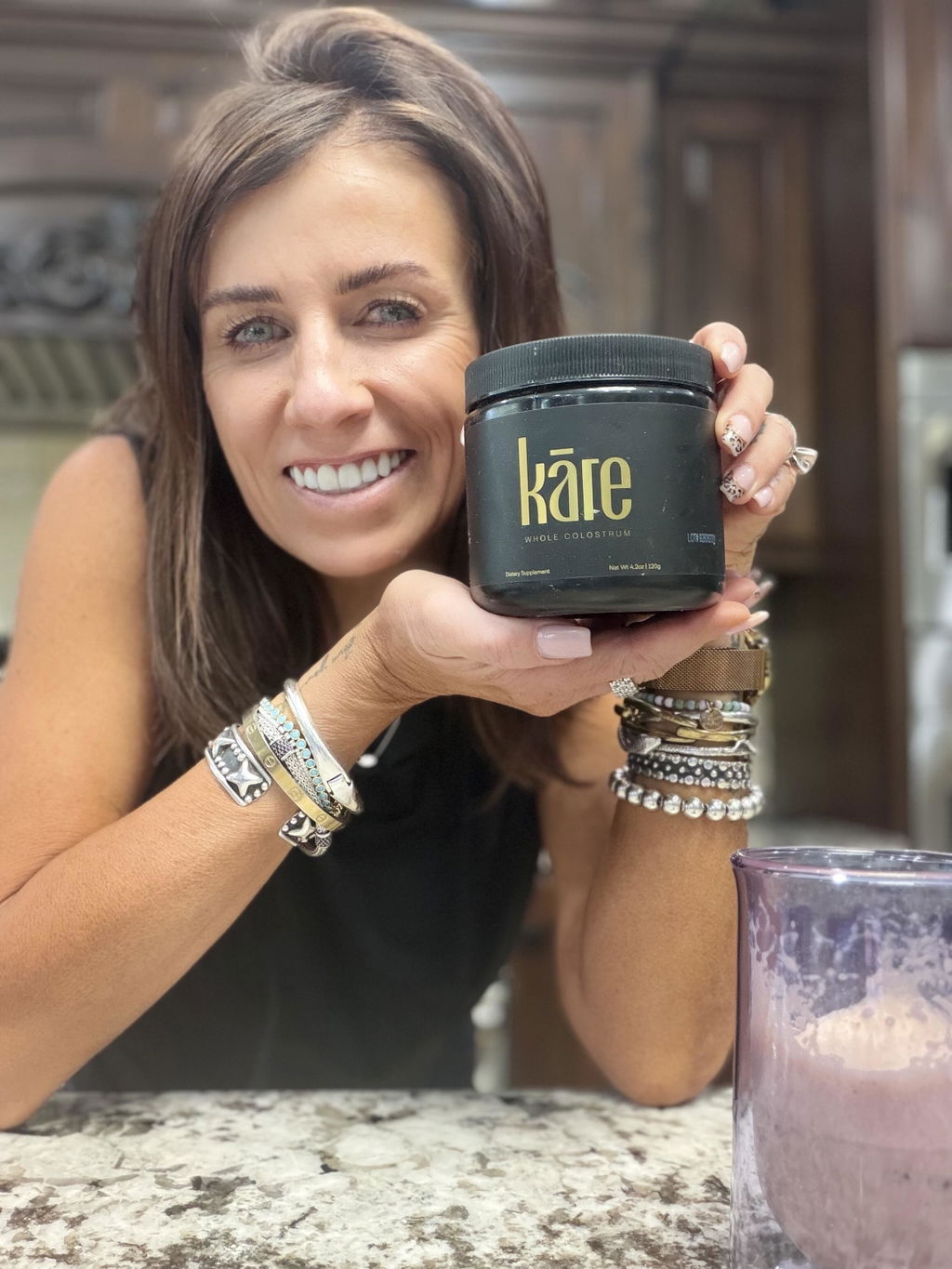
If you've been looking for colostrum sourced with real integrity, from cows that actually live the way they're supposed to, this is it. Try kāre and feel the difference that honest sourcing makes.