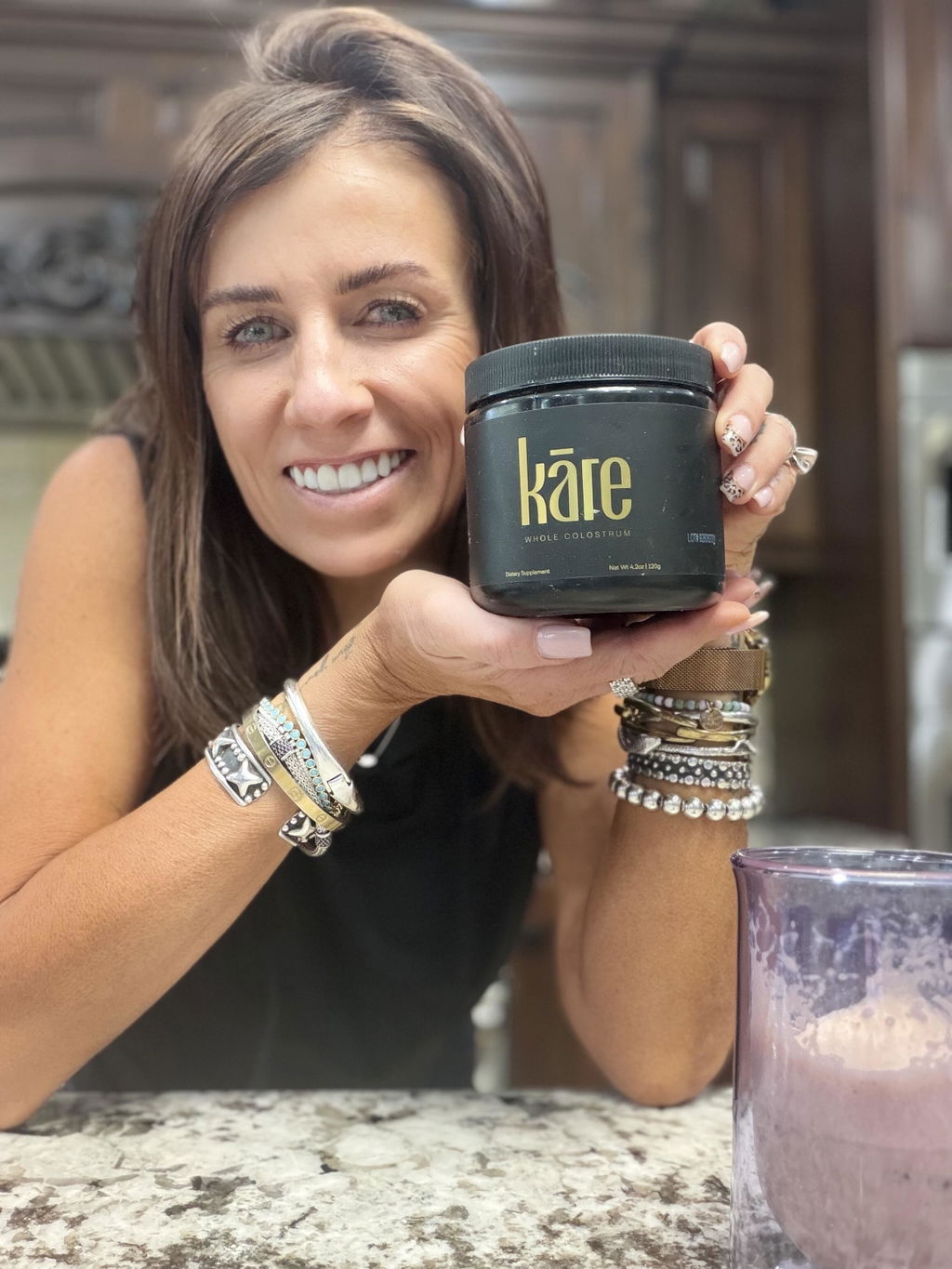
Ethical Colostrum Sourcing: Why Calves Come First
If you're searching for ethical colostrum sourcing, you're already thinking like someone who understands that what you put in your body matters—and so does how it gets there. The uncomfortable truth is that not all colostrum supplements are created equal, especially when it comes to calf welfare. Here's what you need to know about sourcing that actually puts calves first.
What Does Ethical Colostrum Sourcing Really Mean?
Ethical colostrum sourcing means one simple thing: calves get fed before humans do. It sounds obvious, but it's not the industry standard everywhere.
Colostrum is the nutrient-dense first milk that a cow produces after giving birth. It's packed with antibodies and growth factors—which is exactly why it's so valuable for human health. But here's the thing: that first milk belongs to the calf. A newborn calf relies entirely on colostrum in its first hours and days to survive and thrive. Without adequate colostrum, calves face infection, failure to thrive, and even death.
Ethical sourcing means the dairy operation collects colostrum only after the calf has received what it needs. Typically, this means a calf receives its first 4 litres before any collection for supplement production begins. The calf's survival and immune health come before the supplement industry's profit margins. Full stop.
The Science Behind Why Calf Colostrum Matters First
Calves are born with virtually no immune system. They're completely dependent on passive immunity—antibodies passed directly from their mother through colostrum. These antibodies, primarily IgG (immunoglobulin G, the most abundant antibody in blood and colostrum), protect calves from pathogens in their environment during those critical first weeks of life.
Research has shown that calves receiving adequate colostrum have dramatically better health outcomes, lower disease incidence, and faster growth rates. A calf deprived of sufficient colostrum faces a much higher risk of scours (diarrhoea), pneumonia, and other infections that can be life-threatening.
When you source colostrum ethically, you're working with farms that understand this science and respect it. They don't strip-mine colostrum from newborns. They collect what nature provides in abundance after the calf is secure.
How kāre Sources Colostrum Ethically from New Zealand
Our colostrum comes from grass-fed, pasture-raised cows on New Zealand's South Island, below the Southern Alps. These cows roam freely outdoors 365 days a year on fresh grass. They're not routinely vaccinated or artificially stressed—conditions that would compromise colostrum quality anyway.
Every single collection at our partner farms follows strict ethical protocols: calves receive their first 4 litres before any colostrum is collected for kāre. No exceptions. No shortcuts.
We process our colostrum fresh within 48 hours of collection using gentle low-temperature spray-drying (37–60°C). This preserves the bioactive properties that make colostrum actually work. We're also transparent about IgG content. Some brands report inflated IgG numbers because harsh processing damages proteins but they measure everything anyway. We use turbidity-corrected testing, so our reported IgG is actually bioactive and real. A lower accurate number beats a higher inflated number every time.
Our certifications—FSSC 22000, ISO 17025, Kosher, Halal, Non-GMO, rBST-free—aren't just badges. They're proof that someone independent verified our claims. Including the ethical sourcing part.
When you choose ethically sourced colostrum, you're voting with your purchase. You're saying that animal welfare, transparency, and real science matter more than hype. That's the kāre difference. Ready to feel the difference? Try kāre colostrum today.
Want to understand more about how colostrum supports your own immune system? Learn about colostrum's role in immune health or explore what IgG actually does in your body.