New Zealand Colostrum vs European Colostrum: Which Source Actually Matters
If you're shopping for colostrum, you've probably noticed the geography wars. New Zealand colostrum. Australian colostrum. European colostrum. But here's what most people don't realise: where your colostrum comes from isn't just a marketing point—it shapes what's actually in the bottle. The sourcing, processing, farming practices, and testing standards vary wildly. And yes, it affects whether you're getting bioactive colostrum or something that looks good on paper but doesn't deliver.
The Core Difference: Farming, Fresh Processing, and Transparency
New Zealand colostrum and European colostrum operate under fundamentally different conditions. New Zealand's South Island farms—like those supplying kare—run on year-round pasture grazing. Cows roam freely outdoors 365 days per year, with 95% of their diet coming from fresh grass. European farming, by contrast, often involves more intensive rotational grazing or supplementary feed systems, which affects the nutrient density and immune profile of the colostrum itself.
But here's where it gets real: processing matters more than you'd think. New Zealand colostrum producers like kare typically process colostrum within 48 hours of collection using low-temperature spray-drying (37-60°C). This gentle approach preserves the bioactive proteins—particularly immunoglobulins and growth factors—that make colostrum worth taking in the first place. Some European facilities use harsher methods or longer storage times, which can degrade these heat-sensitive compounds.
Then there's the testing question. Not all IgG numbers are created equal. Some brands report inflated IgG levels because aggressive processing damages the proteins, making them appear higher under standard testing. New Zealand producers using turbidity-corrected testing—like kare—report actual bioactive IgG. A lower, accurate number beats a higher inflated number every time.
The Science Layer: Why Farming Practices Shape Immune Compounds
Colostrum's power comes largely from its immunoglobulin content—specifically IgG, the primary immune antibody. Research suggests that IgG in colostrum supports immune function by helping maintain healthy gut barriers and supporting your body's natural defences.
The bioactive density of colostrum depends on the cow's environment and stress levels. Grass-fed, pasture-raised cows that roam freely show higher concentrations of certain immune compounds compared to more confined systems. New Zealand's grass-fed model—combined with the fact that NZ cows aren't routinely vaccinated or artificially stressed—creates a distinct immunological profile. European systems, while often high-quality, operate under different regulatory frameworks and environmental pressures that can influence colostrum composition.
Processing temperature also affects survivability. When colostrum is spray-dried at gentle temperatures, the proteins remain structurally intact and bioavailable. Harsher drying can denature proteins, meaning they pass through your digestive system without delivering their intended benefits.
Why kare's New Zealand Approach Stands Apart
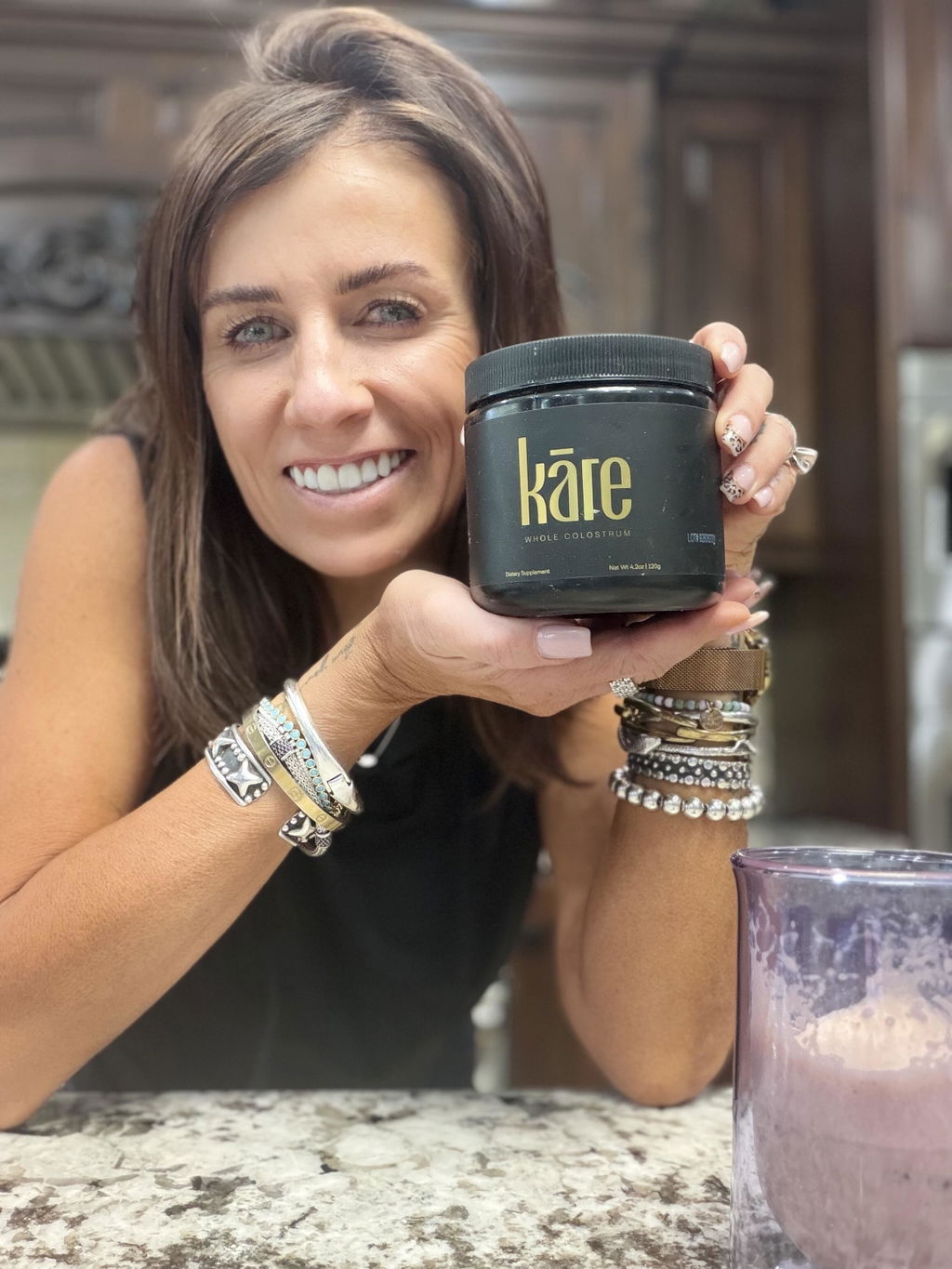
kare sources from grass-fed, pasture-raised cows on New Zealand's South Island, below the Southern Alps. These animals live outdoors year-round in conditions that naturally support high-quality colostrum production. The collection process follows strict ethical standards: calves receive their first four litres before any colostrum is collected, ensuring animal welfare comes first.
Processing happens fresh within 48 hours using low-temperature spray-drying. The result? Colostrum that retains its full spectrum of bioactive compounds. And because kare uses turbidity-corrected IgG testing, the numbers you see reflect what's actually bioactive, not inflated figures from damaged proteins.
kare is also certified across FSSC 22000, ISO 17025, and non-GMO standards—meaning third-party verification backs up the sourcing and processing claims. No rBST, no additives, no preservatives. Just colostrum from cows that live the way cows should.
If you're comparing New Zealand and European sources, the question isn't just about geography—it's about farming philosophy, processing integrity, and testing honesty. New Zealand's model prioritises year-round pasture, ethical collection, and transparent science. That distinction matters when you're investing in your immune system support.
Ready to experience the difference? Try kare and feel what premium New Zealand colostrum actually delivers.