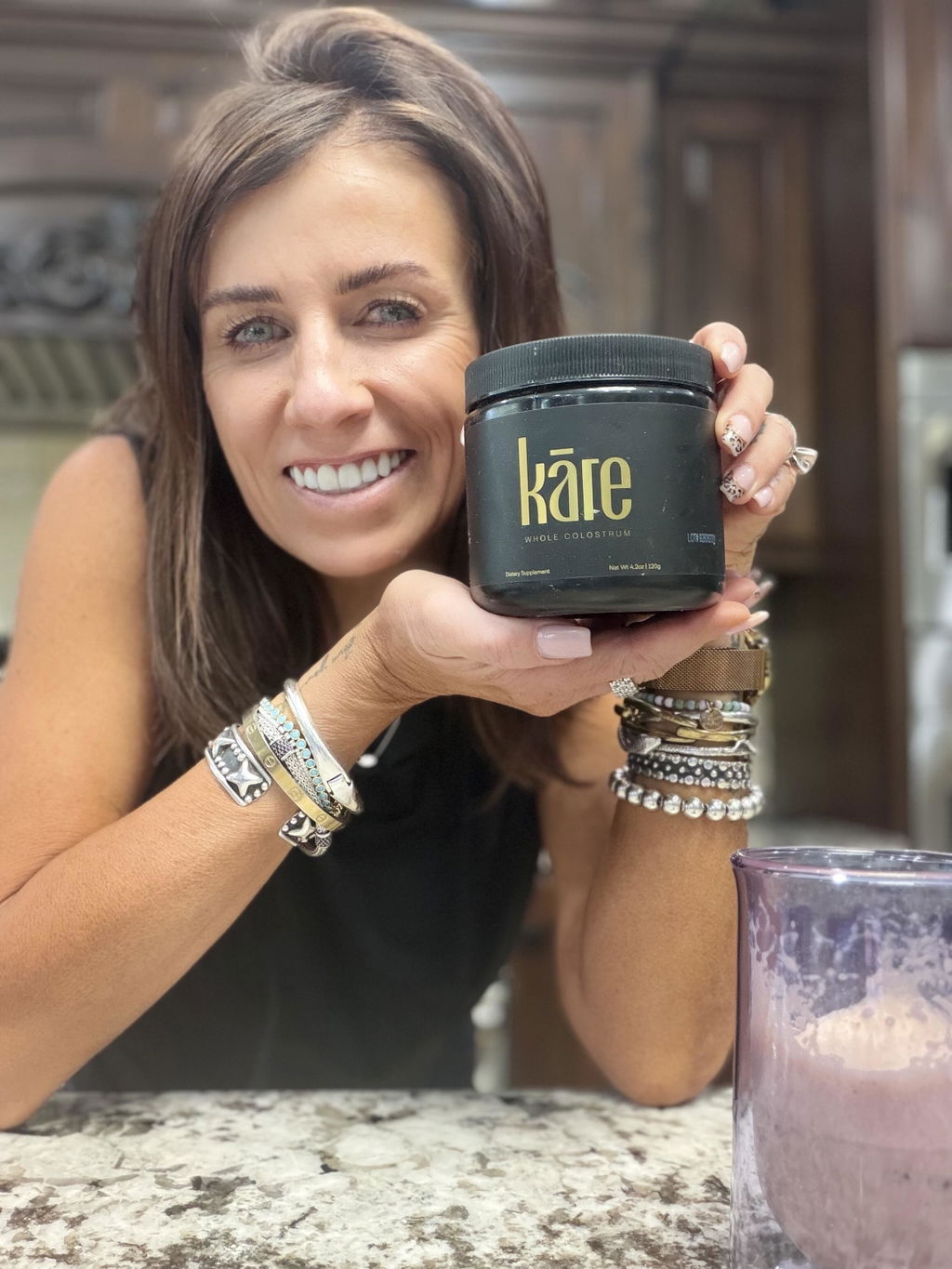
Colostrum from Cows That Roam Free: Why Outdoor Farming Matters
If you're searching for colostrum sourced from cows that actually roam free outdoors, you've probably noticed something: most brands stay vague about their farming practices. They'll say "grass-fed" without mentioning whether that means pasture access or something closer to a feedlot with a grass paddock nearby. The difference matters—a lot. When cows spend their lives grazing on open pasture rather than confined in barns, the colostrum they produce is fundamentally different. Better. And if you care about what you put in your body, the sourcing story should be as transparent as the powder itself.
What Does It Mean When Cows Roam Free Year-Round?
Let's start with the plain version: free-roaming, pasture-raised cows spend their entire lives outdoors, moving across open fields and grazing on fresh grass—not confined to barns or feed lots. They experience natural light cycles, open air, and movement without restriction. This isn't a marketing angle; it's a fundamental difference in how the cow lives.
Why does this matter for colostrum? The cows' lifestyle directly influences the composition of their colostrum. Cows that roam freely experience less stress, maintain better overall health, and produce colostrum richer in bioactive compounds—particularly immunoglobulins (antibodies that support immune function) and other proteins that your body recognizes and can actually use.
The science backs this up. Research shows that stress in dairy cows reduces the quality and quantity of immune factors in their milk and colostrum. Free-roaming animals with access to natural grazing, sunlight, and unrestricted movement show lower cortisol levels (stress hormone) and produce colostrum with higher concentrations of naturally occurring antibodies. Some confined farming systems achieve high volumes, but outdoor-raised cows produce colostrum with superior bioactive density.
The Immune Support Connection: How Farming Practice Affects IgG Quality
Here's where outdoor farming gets really interesting from a health perspective. IgG—immunoglobulin G, the primary antibody in colostrum—is what researchers have found may support immune response, gut barrier function, and recovery. But not all IgG numbers are created equal.
Some brands report inflated IgG values because harsh processing damages the protein structure. They're measuring broken pieces, not functional antibodies. When cows roam free and colostrum is processed gently to preserve those delicate proteins, you get an accurate IgG reading—and more importantly, bioactive IgG your body can actually use.
Free-roaming cows also aren't routinely vaccinated or artificially stressed in the ways confined animals sometimes are. Their colostrum naturally contains a more diverse and robust immune profile because it reflects their genuine, varied environment and lower baseline stress. That complexity of immune factors—beyond just IgG—is something you won't get from a supplement sourced from confined systems.
kāre's Commitment to Outdoor Farming and Transparency
Our colostrum comes from grass-fed, pasture-raised cows on New Zealand's South Island, below the Southern Alps. These cows roam freely outdoors 365 days a year. Over 95% of their diet is fresh grass—no grain supplements, no confinement. They experience genuine seasons, open pasture, and the kind of movement that keeps them healthy.
We process fresh colostrum within 48 hours of collection using gentle, low-temperature spray-drying (37–60°C) that preserves the bioactive structure. Our IgG testing is turbidity-corrected, meaning we report what's actually functional, not inflated numbers. We're rBST-free, non-GMO, and certified across food safety standards—FSSC 22000, ISO 17025, Kosher, and Halal.
And because we believe ethics matter: calves receive their first 4 litres of colostrum before we collect anything. Always. Our sourcing reflects what we believe: that how animals live matters, that transparency about testing matters, and that what you're paying for should actually deliver what the label promises.
When you choose colostrum from cows that roam free, you're choosing something that reflects actual farming practice, not marketing language. You're choosing bioactive IgG you can trust. Ready to experience the difference? Try kāre colostrum and feel it yourself. For deeper insight into how colostrum supports your body, explore our guide to what IgG actually does, or learn more about colostrum and gut health.