Is Bovine Colostrum Safe for Adults? The Complete Evidence-Based Answer
If you've stumbled onto this question, you're probably wondering whether colostrum—that nutrient-dense first milk from cows—actually belongs in an adult's daily routine. Fair question. Most of us grew up thinking colostrum was just for calves. But the science tells a different story, and the safety profile is genuinely strong. Let's cut through the noise and give you the real picture.
Bovine Colostrum Is Safe for Adults—Here's Why
Short answer: yes, bovine colostrum is safe for the vast majority of healthy adults. It's been used as a supplement for decades, backed by human clinical research, and has an excellent safety record across thousands of users. No serious adverse events in the medical literature. No hidden toxins. Just concentrated immune and growth factors that your body recognizes and can use.
The reason is straightforward biology. Colostrum is food—a natural secretion from mammary glands, not a pharmaceutical invention. Your digestive system has evolved to process milk proteins and bioactive compounds. When sourced responsibly (more on that in a moment), bovine colostrum poses no safety concerns for adults without dairy allergies or lactose intolerance.
That said, two groups should chat with their doctor first: anyone with a diagnosed dairy allergy, and people with severe lactose intolerance. Most colostrum powders are low-lactose, but full transparency matters here.
How Colostrum Works in an Adult Body
The magic of colostrum lies in its concentration of immunoglobulins—basically, antibodies. The primary one is IgG, a protein that may support your immune response and gut barrier function. Research suggests that IgG can survive passage through your stomach and reach your intestines relatively intact, where it may help protect against pathogens and support nutrient absorption.
Colostrum also contains lactoferrin, growth factors, and oligosaccharides. These compounds have been shown in human studies to support gut inflammation markers and may enhance athletic recovery. A 2019 meta-analysis in the Journal of Sports Sciences found that colostrum supplementation supported athletic performance and reduced exercise-induced GI symptoms.
The key safety factor: your body doesn't treat bovine colostrum as foreign. Your immune system recognizes these proteins as familiar, which is why systemic reactions are exceptionally rare. Your gut simply breaks it down and absorbs the useful bits—just like regular milk, but more concentrated.
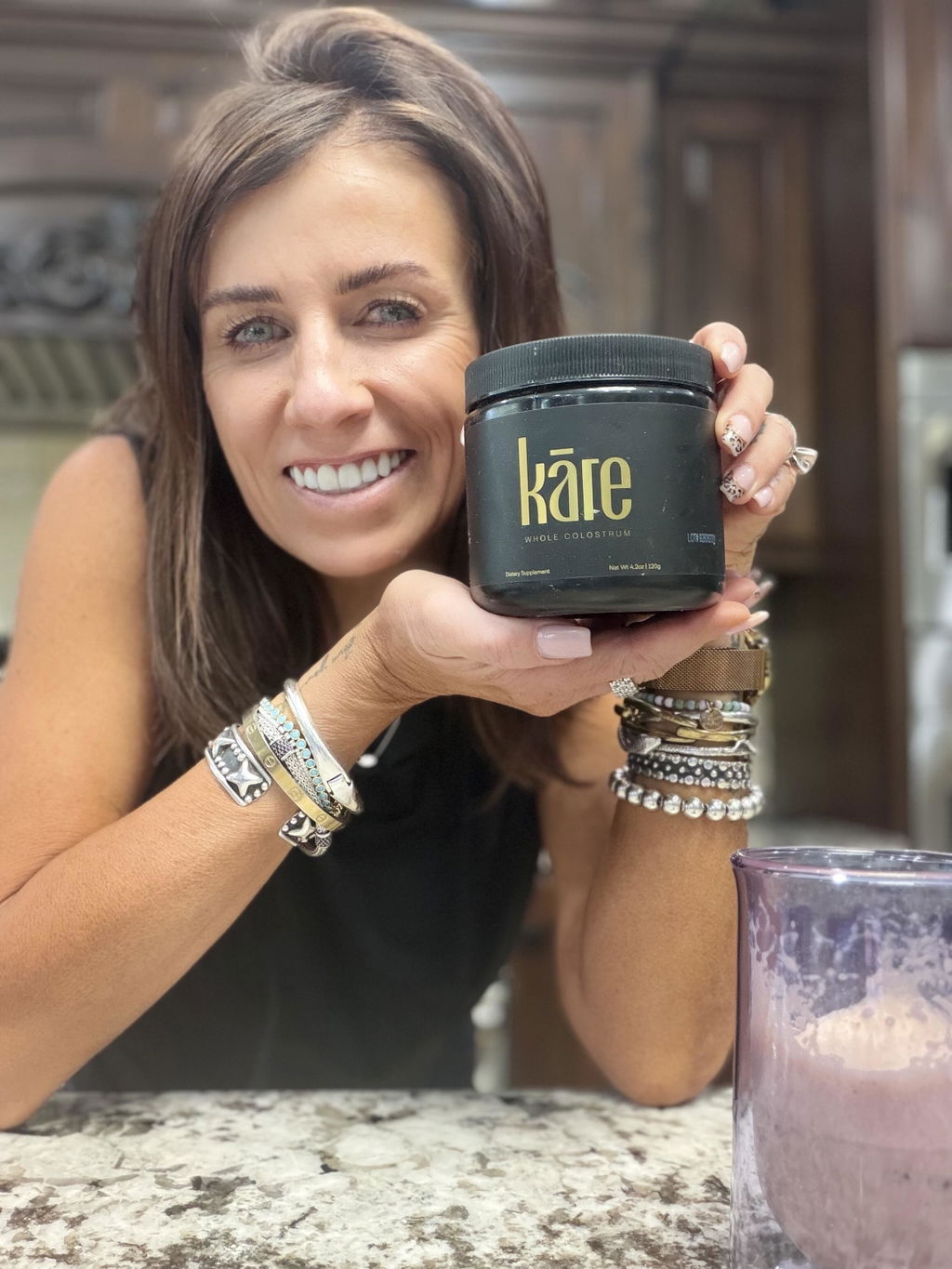
kāre's Approach: Why Sourcing and Processing Matter for Safety
Not all colostrum is created equal. Safety begins with the source. kāre sources from grass-fed, pasture-raised cows on New Zealand's South Island—animals that roam freely outdoors 365 days a year on fresh grass. These cows aren't routinely vaccinated or artificially stressed, which matters because stress hormones and additives can end up in milk.
Processing is equally critical. kāre uses gentle low-temperature spray-drying (37–60°C) that preserves the bioactive structure of immune factors. Some brands use harsh processing—high heat, aggressive extraction—which can denature proteins and create what we call "inflated IgG numbers." Those look impressive on paper, but the actual bioactive content is compromised. kāre reports IgG using turbidity-corrected testing, which means our numbers reflect what's actually working in your body, not theoretical counts of damaged proteins.
Every batch is certified FSSC 22000 (the highest food safety standard), ISO 17025, and is non-GMO, rBST-free, with zero additives or preservatives. Ethical sourcing also matters: calves always receive their first 4 litres before any collection begins.
That's the foundation of safety—traceability, purity, and bioactive integrity from farm to powder.
What About Interactions or Dosing Safety?
Standard dosing for adults is 1–2 teaspoons (3–6 grams) daily, usually mixed into water, smoothies, or morning coffee. At this dose, adverse effects are virtually non-existent. Some people report mild digestive adjustment in the first few days—nothing serious, just your gut adapting to a new nutrient density. Drinking plenty of water helps smooth that transition.
If you're on immune-suppressing medications, a quick chat with your doctor makes sense, though there's no evidence of problematic interactions. Colostrum works *with* your immune system, not against pharmaceutical therapies.
The bottom line: bovine colostrum is well-tolerated, research-supported, and safe for adults when sourced and processed responsibly. kāre's commitment to transparent IgG testing and ethical New Zealand farming means you're getting the genuine article—concentrated immune support without compromises.
Ready to experience it yourself? Try kāre and feel the difference responsible sourcing makes.