Colostrum Supplement Side Effects: What to Expect When You Start
You've done your research on colostrum. You know it's packed with immune-boosting compounds, you've read about the gut-healing potential, and you're ready to give it a go. But then a thought creeps in: what if I feel weird when I start taking it?
That's a sensible question. And unlike some supplement categories that come with a wild side effect profile, colostrum is genuinely well-tolerated by most people. But there's a real phenomenon some users experience in the first week or two—and understanding it actually tells you something good about what's happening in your body.
The Honest Answer: Most People Feel Nothing (in a Good Way)
Let's start with the baseline: colostrum is a whole food, not a pharmaceutical. It's the first milk a cow produces after giving birth, packed with naturally occurring proteins, antibodies, and growth factors. Your body recognises it as nutrition, not a foreign invader.
The majority of users experience zero side effects. They take their daily serve and carry on with life. Simple.
But some people—particularly those with sensitive digestive systems—may notice mild changes in their first few days. The most common experiences are:
- Mild bloating or gas – your gut bacteria are adjusting to new compounds they haven't seen before
- Slight digestive shifts – your system is recalibrating, which is actually the point
- Temporary changes in bowel movements – usually settling within 3–7 days
These aren't side effects in the danger sense. They're adjustment signs. And they typically pass quickly.
Why This Happens: The Science of Your Gut Rebalancing
Here's where the mechanism matters. When you introduce colostrum, you're bringing bioactive compounds into your digestive system that may have been absent for a while. Lactoferrin (an iron-binding protein found in colostrum), immunoglobulins (antibodies that support immune function), and oligosaccharides (compounds that feed beneficial bacteria) all start working immediately.
Your gut microbiome shifts in response to colostrum. If your baseline microbiota composition is out of balance, this rebalancing can feel noticeable—but it's temporary and productive. Think of it like renovating a room: there's a bit of disruption before you get the new setup you want.
Research on bovine colostrum shows it has a genuinely favourable safety profile across studies. Mild gastrointestinal symptoms when they occur are typically transient and resolve without intervention. The risk of serious adverse effects is exceptionally low in healthy populations.
One practical note: quality matters here. Harsh processing methods can damage the very proteins that make colostrum work—and sometimes that creates more digestive irritation, not less. If your colostrum is processed too aggressively, you might experience more discomfort than necessary.
Why kāre's Approach Minimises Adjustment Issues
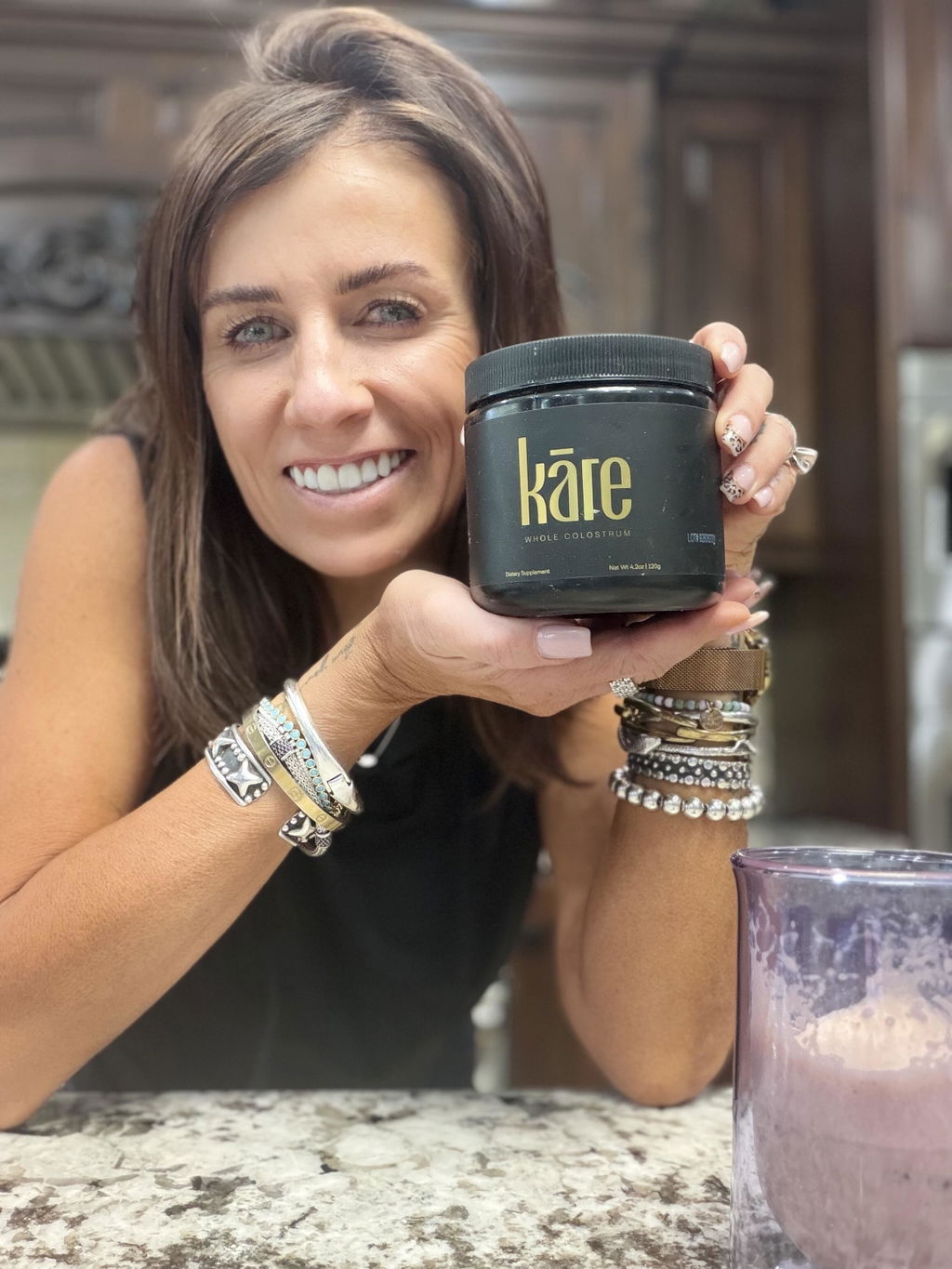
This is where sourcing and processing become more than just marketing talk. kāre colostrum comes from grass-fed, pasture-raised cows on New Zealand's South Island—animals that roam freely outdoors 365 days a year on a diet that's 95%+ fresh grass. No routine antibiotics, no artificial stress, no rBST.
More importantly for side effects: we process fresh colostrum within 48 hours of collection using gentle low-temperature spray-drying (37–60°C). This isn't aggressive. We're not heating it to industrial temperatures that denature proteins and create processing byproducts your gut has to work harder to handle.
We also use turbidity-corrected testing for our IgG (immunoglobulin G, the primary immune antibody in colostrum), which means we report actual bioactive protein—not inflated numbers from harsh testing methods that damage the very compounds we're measuring. A lower accurate number means less digestive confusion, not less benefit.
When your colostrum is genuinely bioactive and minimally processed, your body recognises it as the nutrient-dense whole food it is. Adjustment is smoother. Real side effects are rarer.
If you're considering colostrum for specific benefits, like gut healing support, start with a modest dose—typically half a serving for the first week—and let your system acclimate. Most people progress to full servings without incident.
Colostrum isn't magic. It's a genuinely helpful supplement with an excellent safety track record and a processing-dependent side effect profile. When you choose quality—fresh sourcing, gentle processing, transparent testing—you're choosing the version least likely to cause discomfort.
Ready to see what kāre colostrum can do for you? Try kāre colostrum and start with confidence.