How to Verify Colostrum Quality Before Buying: A Buyer's Guide
You've decided colostrum might be worth trying. Smart move. But now you're staring at a handful of brands, all claiming to be premium, and you're wondering: how do I actually know if this stuff is quality? Most supplement shoppers never ask this question. Don't be most shoppers.
The Three-Step Quality Check (Plain Language First)
Before we get into the science, here's what matters: where the cows live, how fresh the colostrum is, and whether the company is honest about testing.
First, where are the cows? Not all grass-fed claims are equal. Ask if the cows graze outdoors year-round on pasture, or if they're grain-fed indoors most of the year. New Zealand's climate allows for 365-day grazing below the Southern Alps, which means cows eating fresh grass every single day—not silage or grain supplements. That matters because diet directly affects colostrum composition.
Second, how fresh is it? Colostrum degrades. If it's been frozen for months or sitting in a warehouse, the active compounds break down. The best colostrum is processed within 48 hours of collection using low-temperature methods (37-60°C spray-drying). High heat kills the very things you're paying for.
Third, ask about IgG testing. IgG is the primary immune antibody in colostrum, and it's the compound most people care about. But here's the catch: some brands use harsh processing that damages proteins, then report inflated IgG numbers because their testing method doesn't account for denatured (broken) proteins. Ask if they use turbidity-corrected testing, which only counts bioactive IgG. A lower honest number beats a higher inflated one.
Why Processing Temperature and Testing Transparency Matter (The Science Layer)
Colostrum is a complex biological fluid packed with immunoglobulins, lactoferrin, growth factors, and oligosaccharides. These compounds are fragile. Temperatures above 65°C begin to denature proteins—meaning they lose their three-dimensional shape and, crucially, their biological activity.
When a manufacturer uses conventional high-temperature spray-drying (70°C+), they damage these proteins. Yet their standard protein assay (often Bradford or Lowry methods) doesn't distinguish between intact and damaged proteins. So a batch with 25% bioactive IgG might report as 30% or higher. It looks better on paper. It performs worse in your body.
Turbidity-corrected HPLC testing measures the actual molecular weight and integrity of IgG. This is why transparency matters: a brand willing to report lower, accurate IgG numbers is a brand confident in their process.
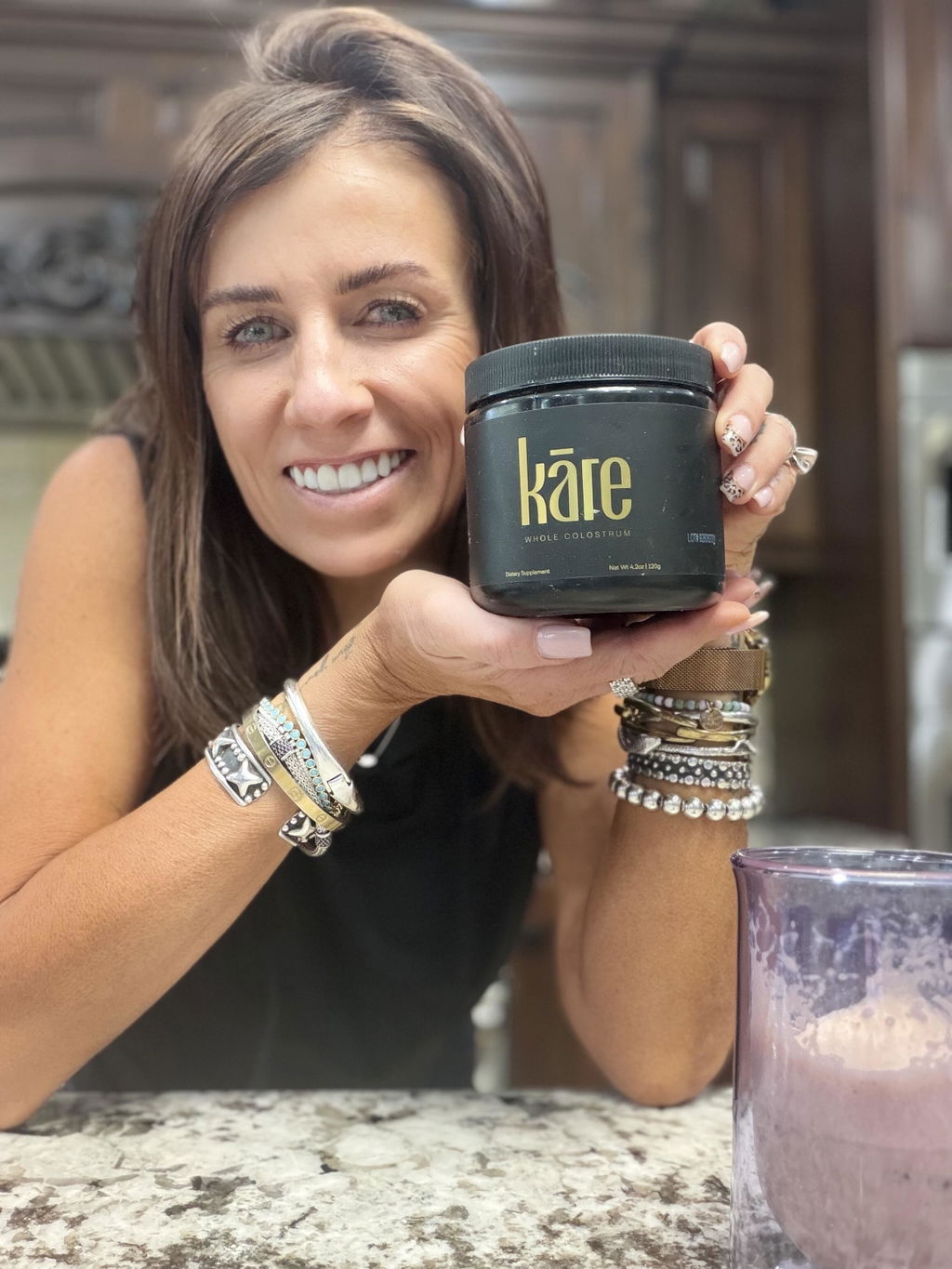
How kāre Approaches Quality Verification
We source from grass-fed, pasture-raised cows on New Zealand's South Island. They roam freely outdoors 365 days a year, eating 95%+ fresh grass. No routine vaccinations, no artificial stress, no rBST (synthetic growth hormone). This consistency in diet and lifestyle produces more stable, reliable colostrum composition.
We process colostrum within 48 hours using gentle, low-temperature spray-drying at 37-60°C. No shortcuts. No flash-freezing that damages cell membranes. This preserves the bioactive compounds you're investing in.
And we're transparent about IgG. We use turbidity-corrected testing and report the actual bioactive IgG content—not inflated numbers that make competitors look good on a label. We also hold certifications: FSSC 22000, ISO 17025, Kosher, Halal, Non-GMO, and rBST-free. These aren't marketing badges. They're third-party verification that we do what we say.
Before buying colostrum, verify the sourcing (year-round pasture grazing), freshness (processed within 48 hours at low temperature), and testing transparency (turbidity-corrected IgG). If a brand can't or won't answer these questions clearly, that's your answer.
Ready to see what genuinely premium colostrum looks like? Try kāre. We're confident enough to let the quality speak for itself.
Learn more about what IgG does in colostrum or explore how colostrum supports gut health.