Colostrum Third Party Testing: What to Look For
You've decided colostrum might be worth trying. Good instinct—the research is solid. But then you start comparing brands, and you hit a wall of claims: "30% IgG!" "45% IgG!" "Premium bioactive colostrum!" The numbers don't match. The marketing feels slippery. You're standing in front of your screen thinking: How do I know if any of this is actually true?
Third-party testing is supposed to be the answer. It's the thing we're all supposed to trust. But not all testing is created equal, and some brands use it to hide exactly what you're trying to find out. Here's what actually matters when you're reading a colostrum test report.
The Core Question: Is the IgG Actually Bioactive?
IgG (immunoglobulin G) is the star player in colostrum—it's the primary immune antibody that gives colostrum its reputation for supporting immune and gut health. When you see a test result showing IgG content, you're looking at a number that should answer one simple question: How much of this stuff will actually work in my body?
Here's the problem: harsh processing damages proteins. When colostrum is processed at high temperatures, the proteins denature—they break down and lose function. A damaged protein looks chemically similar to a healthy one, but it won't do the job. Some brands run standard protein tests that can't tell the difference between a working protein and a broken one. They report the inflated number, and suddenly a lower-quality product looks premium on paper.
What to look for: Ask if the brand uses turbidity-corrected testing. This method accounts for protein damage and reports only the bioactive IgG that will actually function in your system. A lower accurate number always beats a higher inflated one. If a brand won't explain their testing methodology in plain language, that's a red flag.
The Testing Foundation: Certifications and Lab Standards
Third-party testing only means something if the lab doing it follows real standards. A reputable colostrum brand should work with labs certified to ISO 17025 (this means the lab's methods are independently verified and traceable) and often FSSC 22000 (food safety certification). These aren't sexy acronyms—they're proof that someone outside the company is actually checking the work.
Beyond certifications, look for transparency about what is being tested. A comprehensive report should include:
- IgG content (with methodology clearly stated)
- Microbial testing (to ensure safety)
- Verification of claimed benefits or properties
- Contaminant screening (heavy metals, antibiotics, pesticides)
If a brand publishes vague results or refuses to share methodology details, they're not being transparent—they're being strategic about what they hide.
The kāre Difference: Transparency from Farm to Lab
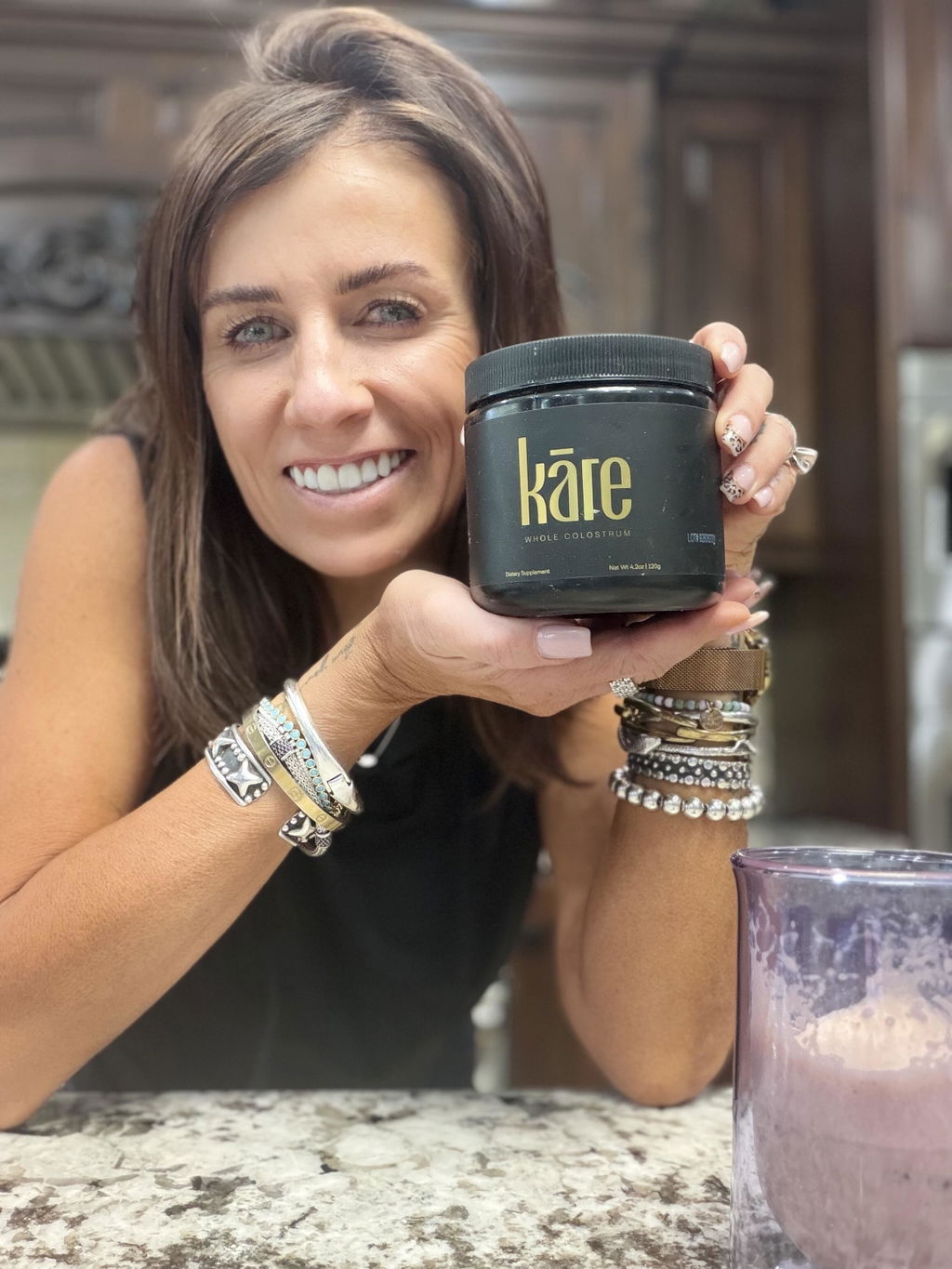
We test our colostrum through labs certified to ISO 17025 and FSSC 22000 standards. But the real advantage comes earlier: our New Zealand sourcing and ethical processing mean we're testing something genuinely premium from the start.
Our cows graze outdoors 365 days a year on fresh South Island pasture below the Southern Alps. They're never routinely vaccinated or artificially stressed—factors that artificially inflate colostrum quality in marketing materials but don't reflect real biology. We collect and process within 48 hours, using gentle low-temperature spray-drying (37-60°C) that preserves proteins instead of destroying them.
This is why we use turbidity-corrected IgG testing. We're confident in what we have because we're transparent about how we make it. Our IgG numbers may be lower than some competitors, but they're honest. That accuracy matters when you're trying to support your gut microbiome or immune system. You're paying for biology that works, not marketing that inflates.
Third-party testing is your window into what you're actually buying. Demand clarity, ask about methodology, and trust the brands that explain it in plain language. You deserve to know what's really in your colostrum—and whether it will actually do what you're hoping for. Try kāre and experience the difference transparency makes.