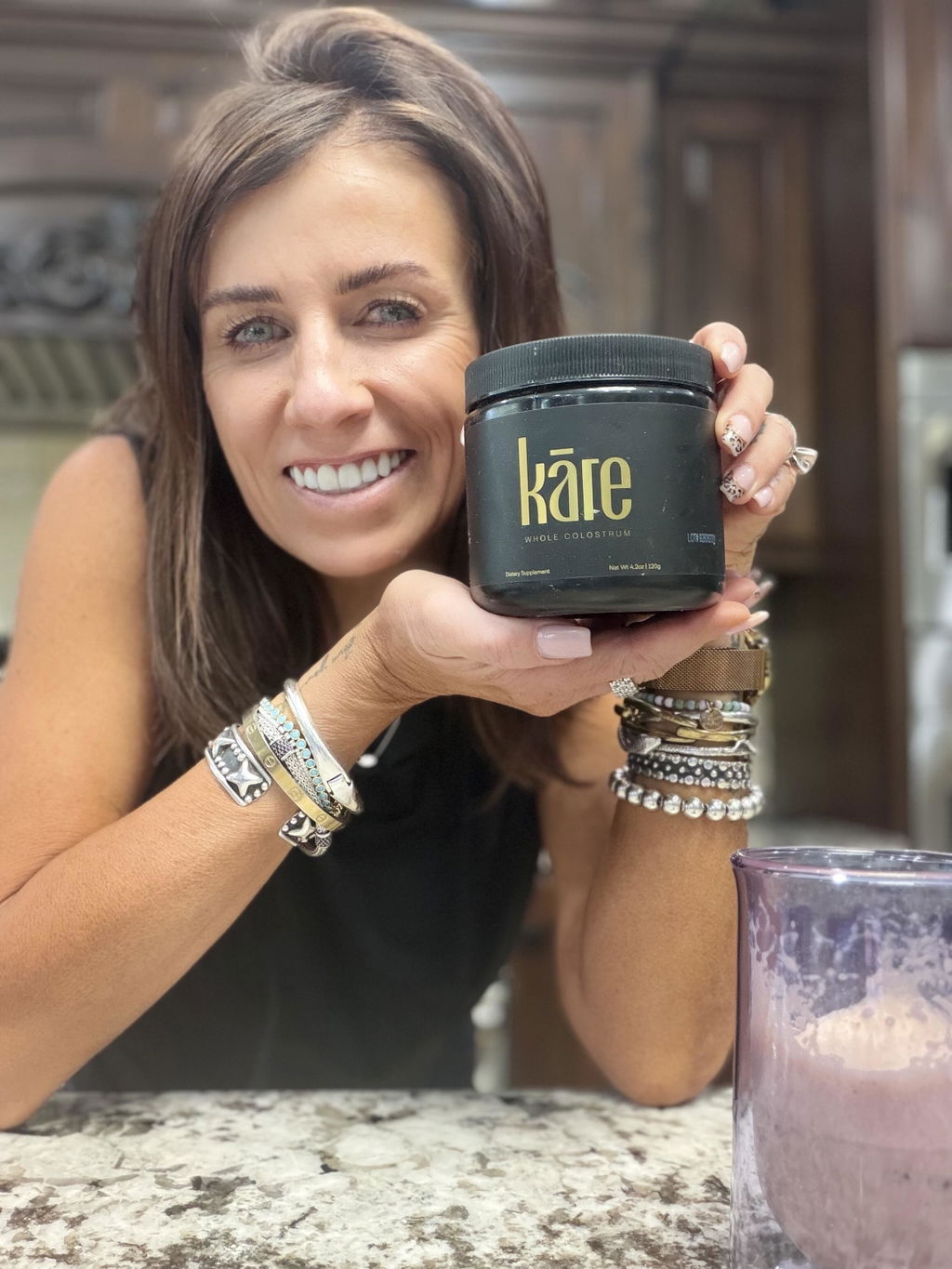
How to Add Colostrum to Your Diet: Simple Methods and Timing
You've heard colostrum might support your immune system, gut health, or athletic recovery. But now comes the practical question: how do you actually add it to your day? If you're imagining complicated protocols or unpleasant rituals, we have good news. Adding colostrum to your diet is genuinely straightforward—and there are several ways to do it that fit different lifestyles.
The Simplest Ways to Take Colostrum Daily
Bovine colostrum (the first milk from cows after calving) comes as a powder, and that's your main delivery method. Here's what works:
Mix it into liquid: Stir colostrum powder into water, milk, coffee, or smoothies. Most people use 10–20 grams per serving (roughly a heaping tablespoon). It mixes reasonably well and has a mild, slightly creamy taste that doesn't overpower your drink. Start with 10 grams if you're new to it; your digestive system often appreciates a gentle introduction.
Blend it into food: Add colostrum powder to smoothie bowls, yoghurt, porridge, or even pancake batter. This method works brilliantly if you prefer not to drink it plain and want to sneak it into meals you already enjoy.
Capsules (if available): Some brands offer capsule versions, though powder is more common and typically more affordable. Capsules offer convenience but require swallowing several pills to reach effective doses.
Timing? Morning or with food is ideal. Some people take it post-workout or before bed—experiment and see what feels right for your body.
Why the Delivery Method Matters: The Science Behind Absorption
Colostrum contains immunoglobulins (antibodies that help your immune system), lactoferrin, and growth factors. These bioactive compounds are proteins—delicate ones. How you consume colostrum affects whether these proteins survive your digestive process relatively intact and reach your gut where they do their work.
This is why processing method matters enormously. Harsh high-temperature drying (common in some industries) can damage these sensitive proteins before the powder ever reaches your mouth. Understanding IgG in colostrum helps you spot quality differences: some brands report inflated IgG numbers because their testing doesn't account for protein damage. A lower, accurately measured number is far more useful than marketing hype.
Temperature also matters when you prepare it. Avoid boiling water—lukewarm or room temperature liquid is your friend. This preserves the remaining bioactive compounds in your powder.
Why kāre's Approach Changes the Game
Not all colostrum powders are equal. kāre sources from grass-fed, pasture-raised cows on New Zealand's South Island—animals that roam freely outdoors 365 days a year, eating 95%+ fresh grass. That foundation matters because the cows' diet and lifestyle directly influence the colostrum's composition.
Here's where ethics and quality intersect: kāre processes colostrum fresh within 48 hours of collection using gentle low-temperature spray-drying (37–60°C). This preserves bioactive proteins instead of damaging them. And crucially, kāre uses turbidity-corrected testing so the IgG number you see is genuinely bioactive, not inflated.
New Zealand doesn't routinely vaccinate or artificially stress cows, which means the colostrum comes from animals living naturally—no hidden variables. Every batch is certified FSSC 22000 and ISO 17025, rBST-free and non-GMO. And yes: calves receive their first 4 litres before any collection happens. Ethical sourcing isn't marketing fluff here; it's how kāre operates.
For a deeper dive into sourcing, read about New Zealand bovine colostrum and why it matters.
The practical upshot? When you add kāre colostrum to your diet, you're adding a genuinely potent product with transparent metrics, not hoping a higher IgG number on a label means something real.
Practical Tips for Building the Habit
Start with 10 grams daily for a week, then increase to 15–20 grams if you feel good. Listen to your body—some people thrive on more; others prefer less. Keep it simple: pick one method (smoothie, coffee, water) and stick with it until it's automatic. Most people notice consistency matters more than perfection.
Colostrum isn't a magic bullet, but colostrum's role in supporting your gut microbiome has solid research behind it. Combined with a reasonable diet and lifestyle, it's a straightforward addition that may support your immune system, digestion, and recovery.
Ready to try? Try kāre colostrum and add it to your routine this week. Plain, honest, effective.