Colostrum Supplement Beginner Guide: What You Need to Know Before You Start
You've heard about colostrum. Maybe a friend mentioned it, or you stumbled across it while researching gut health and immune support. Now you're wondering: what exactly is this stuff, and is it actually worth taking?
If that's you, you're in the right place. This guide cuts through the noise and gives you the plain-English version of what colostrum is, why people take it, and how to pick a supplement that's actually worth your money.
What Is Colostrum, Actually?
Colostrum is the nutrient-rich fluid that cows (like all mammals) produce in the first few days after giving birth. Think of it as nature's starter pack for newborns—it's packed with antibodies, growth factors, and nutrients designed to jumpstart immune function and gut health.
When you take a colostrum supplement, you're getting those same immune and growth factors in powder or capsule form. It's harvested from dairy cows, and—this matters—only after the calf has had its fill first. Ethical sourcing isn't optional; it's baseline.
The key player in colostrum is something called IgG (immunoglobulin G), which is an antibody that may support immune function. Research suggests colostrum may also help with gut barrier integrity, which is why it's become popular among people focused on digestive health and overall resilience.
How Colostrum Works: The Science Layer
Colostrum contains several bioactive compounds that have been studied for their health benefits. The most important is IgG, the primary immune antibody that has been shown in research to support the body's natural immune response.
Beyond IgG, colostrum contains lactoferrin (an iron-binding protein), growth factors like IGF-1 (insulin-like growth factor 1), and prebiotics that may support healthy gut bacteria. These components work together to strengthen the intestinal lining—what researchers call the "gut barrier."
Why does the gut barrier matter? A healthy gut lining helps determine what gets absorbed into your bloodstream and what gets filtered out. When the barrier is compromised, it may affect everything from digestion to immune function. Research on colostrum suggests it may help maintain that barrier, though more human studies are ongoing.
The quality of your colostrum supplement directly affects whether these compounds stay active. Harsh processing—high heat, aggressive extraction methods—can damage proteins and reduce bioactivity. This is why how colostrum is made matters as much as where it comes from.
Why New Zealand Colostrum Stands Apart (And Why Transparency Matters)
Not all colostrum is created equal. Here's what separates premium from average: sourcing, processing, and honest testing.
New Zealand bovine colostrum has a reputation for quality, and for good reason. New Zealand's grass-fed dairy cows roam pasture year-round, eating fresh grass 95% of the time. That diet and lifestyle produce colostrum with higher nutrient density than grain-fed alternatives.
Processing speed and temperature matter enormously. The best colostrum is processed fresh within 48 hours of collection using gentle low-temperature spray-drying (never frozen, never exposed to extreme heat). This preserves the delicate proteins and growth factors that make colostrum effective.
Here's something most beginners don't know: some brands report inflated IgG numbers because they use testing methods that don't account for damaged proteins. Understanding IgG transparency means looking for turbidity-corrected testing—a more accurate measure of what's actually bioactive in the powder. A lower honest number beats a higher inflated one every time.
Look for certifications like FSSC 22000 (food safety), ISO 17025 (testing accuracy), and non-GMO verification. These aren't marketing fluff—they're proof of commitment to quality.
Getting Started: What Beginners Should Know
Start with a small dose (around 10g daily) to see how your body responds. Most people mix it into water, juice, or add it to smoothies. It has a mild, slightly sweet taste—nothing unpleasant.
Give it at least 2-4 weeks before deciding if it's working for you. Colostrum isn't a quick fix; it's a support system for your immune and digestive health over time.
If you're exploring colostrum for specific concerns—athlete recovery, gut inflammation, or immune support—the fundamentals are the same: choose ethically sourced, minimally processed, and transparently tested colostrum.
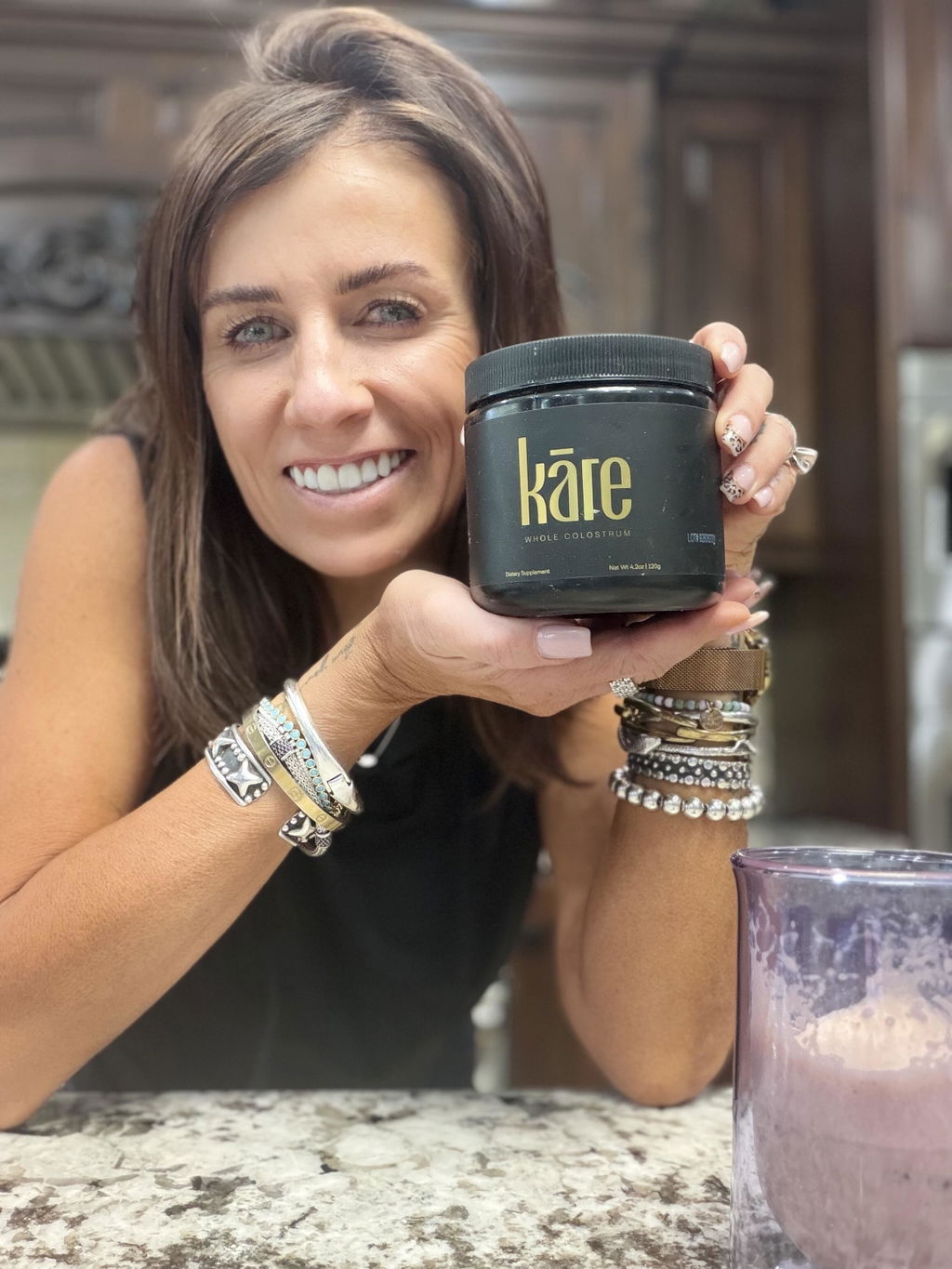
Ready to experience the difference that premium colostrum can make? Try kāre colostrum and see why thousands of New Zealanders trust it for their daily health routine.