Colostrum vs Mushroom Supplements: Which Is Right for Your Immune Health?
You're scrolling through supplement aisles (or tabs) and see both colostrum and mushroom powders promising immune support. They're different beasts entirely—and knowing the difference could save you money and actually get you results. Let's cut through the noise.
The Quick Answer: What Sets Colostrum and Mushrooms Apart
Mushroom supplements—like reishi, cordyceps, and lion's mane—contain beta-glucans and polysaccharides (complex carbohydrates that your immune system recognizes). They're fungal compounds that have been used in traditional medicine for centuries. Science backs some claims, especially around stress and energy.
Colostrum is mammalian milk's first secretion, packed with immunoglobulins—basically, antibodies your own body makes. Think of it as passive immunity in powder form. Rather than teaching your immune system to respond (like mushrooms tend to do), colostrum gives it a direct toolkit of ready-made defences.
The honest take: they work via completely different mechanisms. One isn't "better" universally—it depends what you're actually trying to support.
How They Work: The Science Layer
Mushroom compounds stimulate your immune cells (macrophages and T-cells) to become more active. Research suggests they may help your body mount a stronger response to threats. They're immunomodulatory—meaning they help regulate and enhance immune function over time. You're giving your system a nudge to work harder.
Colostrum works differently. It's rich in IgG (immunoglobulin G), the primary antibody circulating in your blood. When you consume bioactive colostrum, you're absorbing antibodies that have already been "trained" by the cow's immune system. These can directly neutralise pathogens and support your gut barrier—where roughly 70% of your immune system actually lives.
Colostrum also contains lactoferrin, lysozyme, and other antimicrobial peptides. It's not just one player; it's an ensemble cast. Learn more about IgG and why bioactivity matters.
One important note: IgG levels vary wildly across brands. Some use harsh processing that damages proteins, inflating reported numbers. Quality colostrum supports your gut microbiome—but only if the IgG stays intact.
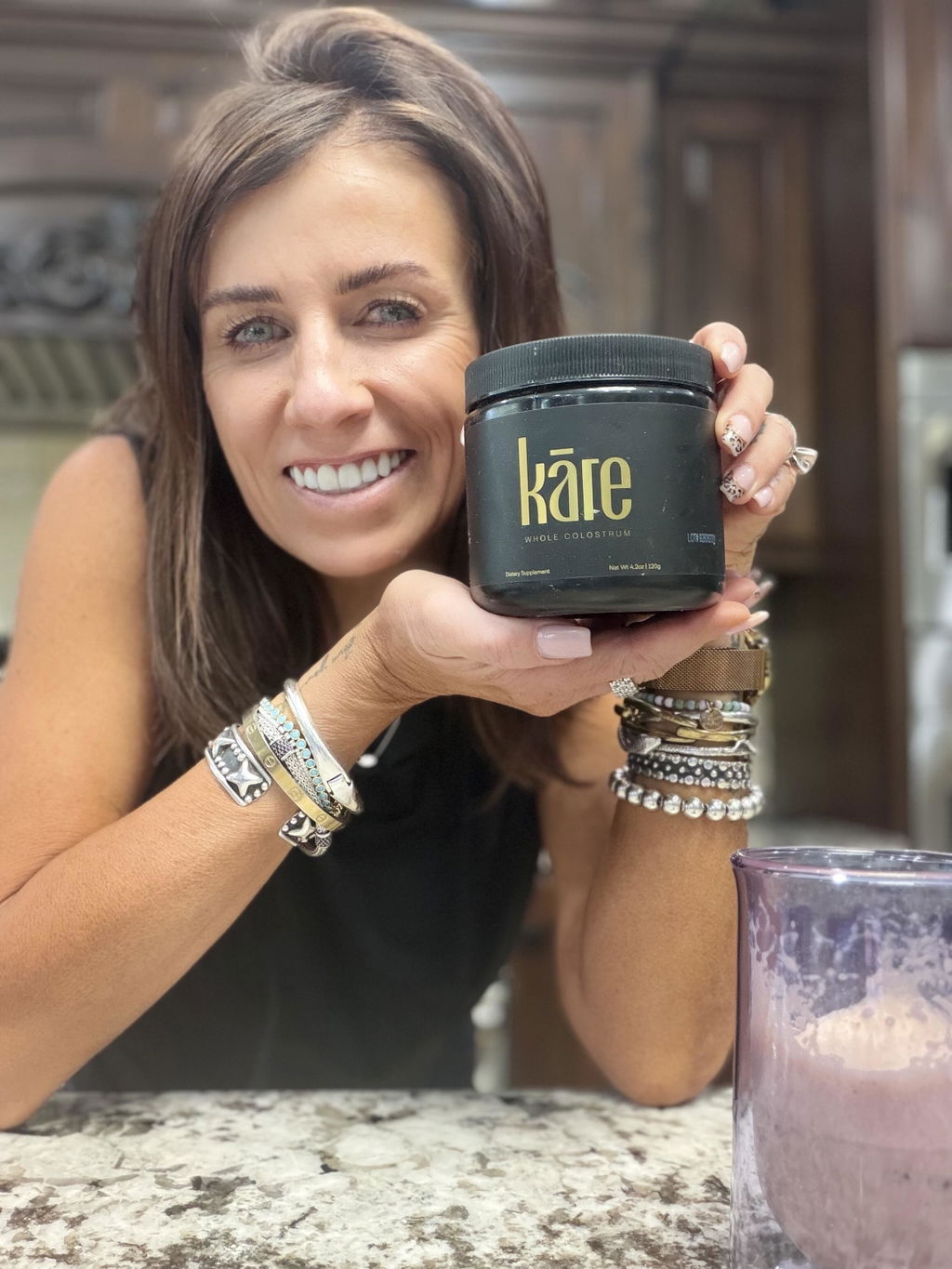
Why kāre Colostrum Stands Apart (And Why Processing Matters)
Here's where sourcing and processing separate the wheat from the chaff.
Our colostrum comes from grass-fed, pasture-raised cows on New Zealand's South Island, below the Southern Alps. These cows roam outdoors 365 days a year on 95%+ fresh grass. No routine vaccinations, no artificial stress—just healthy cows producing nutrient-dense colostrum.
We process fresh colostrum within 48 hours of collection using low-temperature spray-drying (37–60°C). This gentle approach preserves the bioactive compounds that matter. Some brands use industrial high-heat methods that denature proteins and inflate IgG readings through turbidity—basically, they're reporting damaged protein as if it's still functional.
We use turbidity-corrected IgG testing. Our numbers are lower than some competitors', but they reflect what's actually bioavailable in your system. A lower accurate number beats a higher inflated one every time.
We also ensure calves receive their first 4 litres before we collect anything. Ethics matter as much as efficacy.
Mushroom supplements don't have these sourcing complexities, but they also don't offer the direct antibody support colostrum does—especially if you're focused on gut barrier integrity or passive immune support.
The Bottom Line
Choose colostrum if you want direct immune antibodies, gut barrier support, and bioavailability you can actually trust. Choose mushrooms if you prefer immune stimulation and have time for cumulative effects. Many people use both.
If you go colostrum, demand transparency: ask about processing temperatures, IgG testing methods, and sourcing. Try kāre colostrum and feel the difference fresh, ethical processing makes.