Colostrum vs Bone Broth: Which Is Better for Your Gut and Immunity?
You've seen both lining supplement shelves. Bone broth promises collagen and amino acids. Colostrum promises immune support and gut healing. But they're fundamentally different substances doing different jobs in your body. If you're trying to decide between them—or wondering if you need both—let's cut through the noise and look at what each actually does.
The Plain English Difference: Colostrum and Bone Broth Are Not Interchangeable
Bone broth is simmered animal bones, connective tissue, and marrow. It's rich in collagen (a structural protein), gelatin (cooked collagen), and amino acids like glycine and proline. It's essentially a nutrient-dense stock. You're getting structural building blocks.
Colostrum is the nutrient-dense first milk produced by mammals immediately after birth. It's packed with antibodies, growth factors, and bioactive compounds designed to protect and develop a newborn's immune and digestive systems. You're getting concentrated immune intelligence and gut-lining support.
Think of it this way: bone broth supplies raw materials. Colostrum supplies instructions and immune tools.
What the Research Actually Shows
Bone broth contains bioavailable amino acids and collagen, which research suggests may support joint health and skin elasticity through providing structural support. The gelatin may help with satiety and digestive comfort.
Colostrum's strength lies in its immunoglobulin G (IgG)—a type of antibody, essentially a messenger molecule that teaches your immune system what to do. Studies have shown that colostrum may support gut barrier function, reduce intestinal permeability (sometimes called "leaky gut"), and promote beneficial bacteria growth. Research also suggests colostrum may support immune resilience, particularly in athletes and people under physical stress.
The key difference: bone broth is nutritional fuel. Colostrum is immunological information. Your gut lining needs both structural support and immune signaling to function optimally, which is why some people use them together.
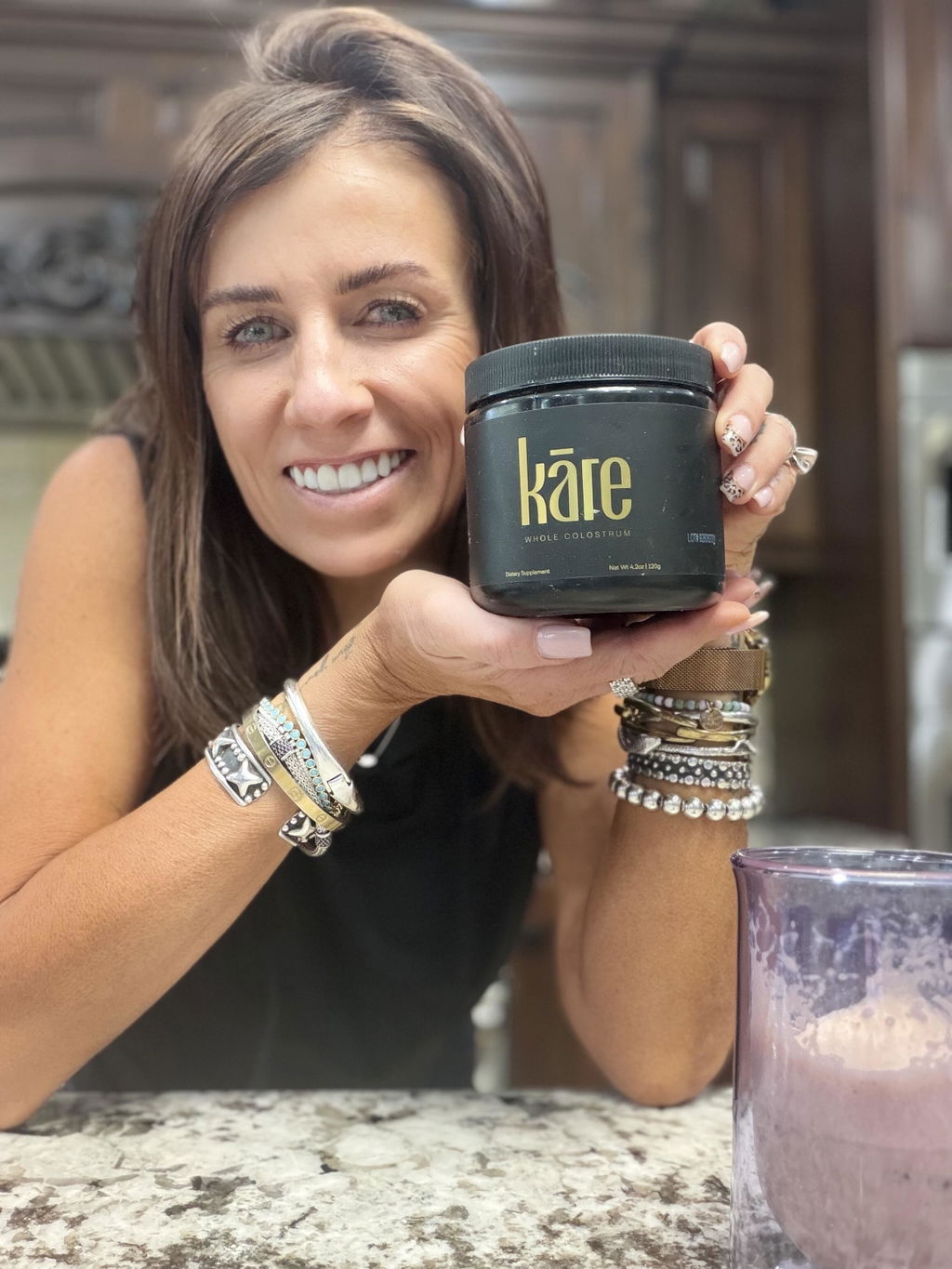
Why kāre Colostrum Stands Apart
If you're choosing colostrum, sourcing and processing matter enormously. Most colostrum supplements come from concentrate or use aggressive processing that damages the bioactive compounds you're paying for.
kāre is sourced from grass-fed, pasture-raised cows on New Zealand's South Island, below the Southern Alps. These cows roam freely 365 days a year on over 95% fresh grass—no routine vaccinations, no artificial stressing. The colostrum is processed fresh within 48 hours using gentle low-temperature spray-drying (37-60°C) that preserves the bioactive proteins intact.
Here's the transparency part: we report IgG using turbidity-corrected testing, which means our numbers reflect actually bioactive antibodies, not inflated figures from harsh processing that damages proteins. Some brands report much higher IgG, but it's often degraded and less effective. A lower accurate number beats a higher inflated one every time.
Every batch is certified FSSC 22000 and ISO 17025 tested. And because we're ethical about it: calves receive their first 4 litres before any collection begins.
For deeper insight into how colostrum supports your specific needs, explore our guides on colostrum and gut microbiome health and what IgG in colostrum actually does.
The Bottom Line
Bone broth and colostrum aren't competitors—they're different tools. Bone broth feeds your gut. Colostrum trains your immune system and seals your gut barrier. If you're looking for targeted immune and digestive support with proven bioactivity, colostrum is the stronger choice. And if you want colostrum that's been handled with care from source to powder, that's exactly what kāre delivers.
Try kāre colostrum and feel the difference fresh processing and ethical sourcing actually makes.