Colostrum Quality: What First Milking Means and Why It Matters
You've probably seen claims about colostrum being packed with immune power. But here's the thing: not all colostrum is created equal, and the timing of collection makes a bigger difference than most people realize. If you're shopping for a quality colostrum supplement, understanding what "first milking" means—and why it matters—will save you from wasting money on inflated promises.
First Milking: The Simple Answer
First milking colostrum is collected within the first 24-48 hours after a calf is born. This is when the cow's colostrum is at peak concentration of bioactive compounds, particularly immunoglobulins (the antibodies that help your body recognize and fight threats). Think of it like catching lightning in a bottle—the density of beneficial molecules is highest right now, and it drops significantly after this window closes.
By the second or third day, what the cow produces is transitional milk—still nutrient-rich, but not colostrum anymore. By day 5-7, it becomes standard milk. Some brands source from later milkings because it's cheaper and easier to scale. They might call it "colostrum" on the label, but you're not getting the real deal.
The Science Layer: IgG and Bioactivity
The primary reason first milking matters is IgG concentration. IgG is an immunoglobulin (a type of antibody protein) that research suggests may support immune function and gut barrier integrity. In genuine first milking colostrum, IgG typically represents 15-30% of the total protein content, depending on the cow and environmental factors.
But here's where it gets interesting—and where transparency becomes crucial. Some brands report sky-high IgG numbers (40%, 50%, even higher) because they're using harsh processing methods that technically extract more proteins, but damage their bioactivity in the process. It's like counting broken piano keys as functioning instruments. A lower, accurate IgG number is infinitely more valuable than an inflated one.
Research published in peer-reviewed nutrition journals has shown that the bioavailability of colostrum proteins depends heavily on how gently they're processed. High heat, aggressive extraction, and freezing damage the delicate immunoglobulin structure. When proteins are damaged, your body can't utilize them the way nature intended.
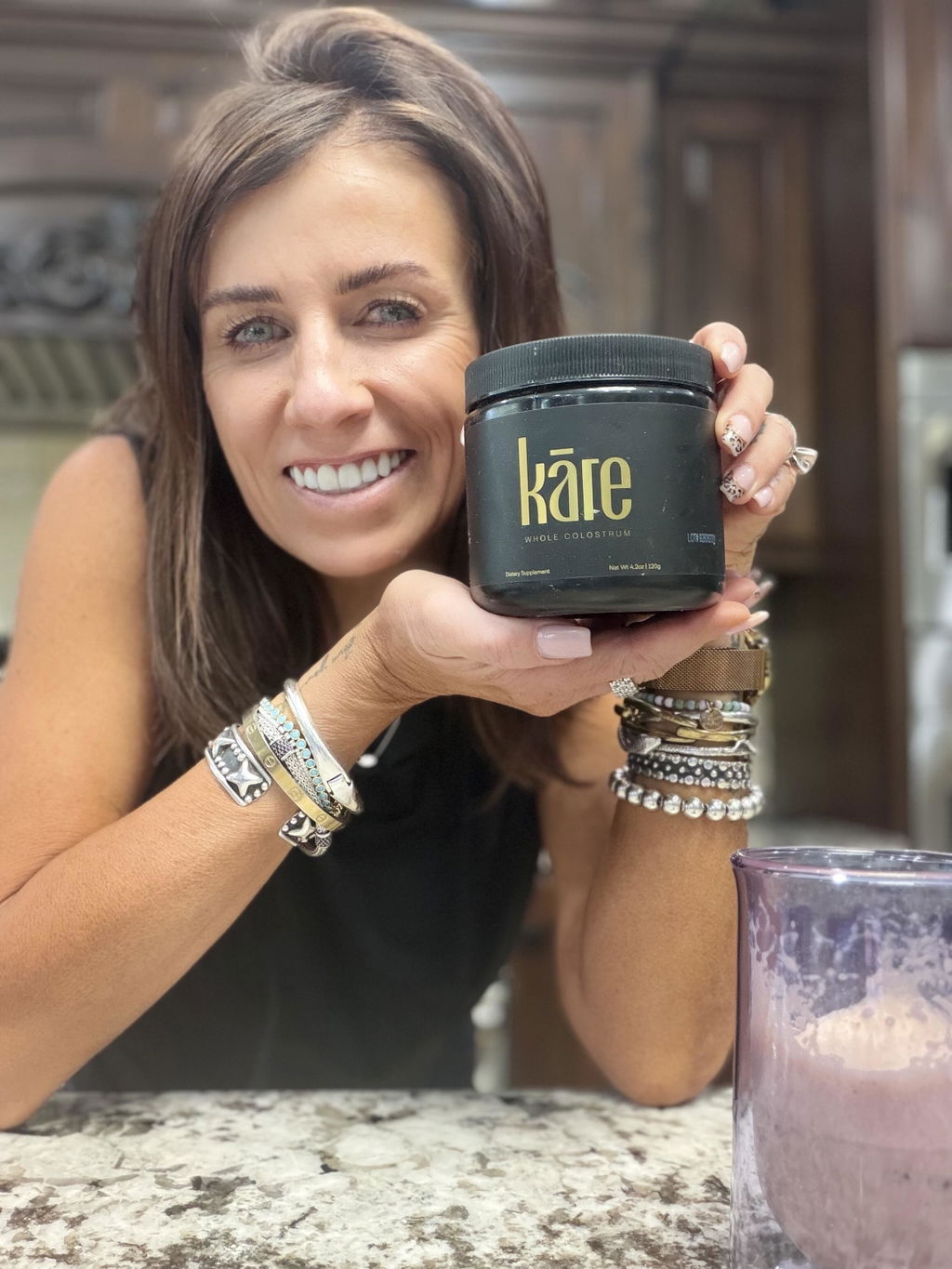
kare's Approach: Transparency Over Hype
We source our colostrum exclusively from grass-fed cows on New Zealand's South Island, below the Southern Alps. Our cows roam freely 365 days a year on fresh pasture—that's 95%+ of their diet. This matters because a healthy, well-nourished cow produces richer, more concentrated first milking colostrum.
Here's the part that separates us: we process fresh colostrum within 48 hours of collection using gentle low-temperature spray-drying (37-60°C). We never freeze it. And when we test IgG levels, we use turbidity-corrected testing—which means we're measuring actually bioactive IgG, not inflated numbers from damaged proteins.
We could chase higher IgG percentages. Instead, we chase accuracy. Our numbers might be lower than competitors shouting about 40%+ IgG, but what we report is what your body can actually use. We're also transparent about our sourcing ethics: calves receive their first 4 litres before we collect anything. This isn't a marketing angle—it's just the right way to do it.
Want to go deeper? Learn more about how IgG works in colostrum supplements and why colostrum quality impacts your gut microbiome.
The colostrum market is full of marketing noise and inflated claims. First milking matters. Processing method matters. Honest testing matters. If you're ready to try colostrum that's sourced right, processed gently, and tested transparently, try kare.