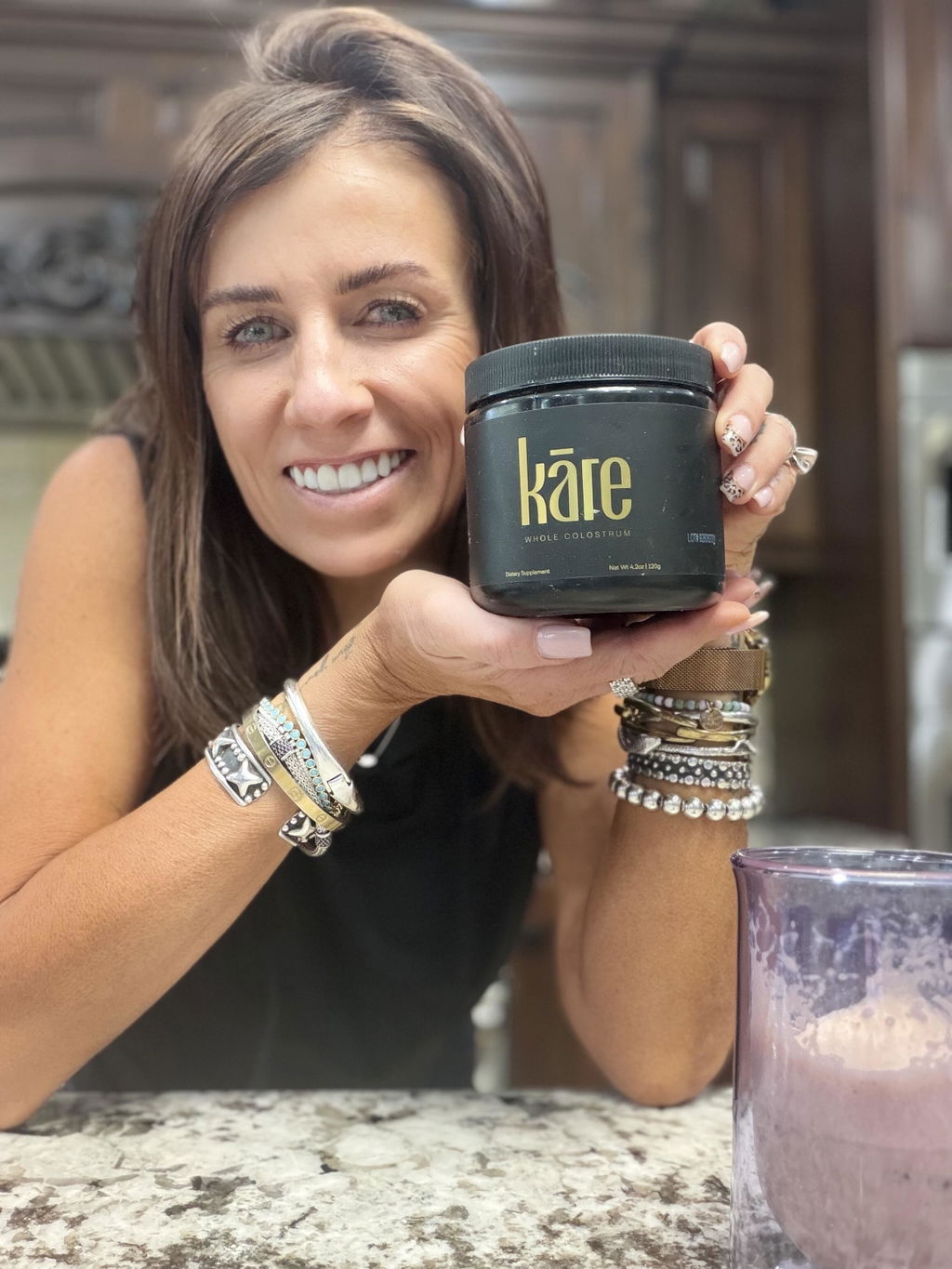
Bovine Colostrum's 90 Bioactive Compounds: What They Are and Why They Matter
If you've landed here, you're probably wondering what all the fuss is about bovine colostrum and these mysterious "90 bioactive compounds" everyone keeps mentioning. Fair question. The short answer: colostrum isn't just milk—it's nature's first meal for newborn calves, packed with dozens of immune-boosting and healing molecules that research suggests may support your own body in surprising ways. But not all colostrum is created equal, and the number that matters most isn't always the one being advertised.
The 90 Bioactive Compounds: Plain Language First
Bovine colostrum contains roughly 90 different bioactive compounds—that's just a fancy way of saying "molecules that do something useful in your body." Think of them as nature's toolkit. The heavy hitters include:
Immunoglobulins (antibodies that recognize and fight pathogens), lactoferrin (an iron-binding protein with antimicrobial properties), growth factors (molecules that support cell repair and tissue healing), cytokines (chemical messengers that coordinate immune responses), and lysozyme (an enzyme that breaks down bacterial cell walls). Then there's a supporting cast: oligosaccharides, enzymes, amino acids, and minerals—each playing a role in gut barrier function, nutrient absorption, and inflammation management.
The catch? You can count all 90 compounds in a lab, but if processing damages them during collection and drying, you're left holding a glorified ingredient list rather than a functional supplement. This is where most brands cut corners—and where the real story gets interesting.
The Science: Why Bioactive Preservation Is Everything
Colostrum's bioactive compounds are delicate. Heat, harsh processing, and time degrade them. Research suggests that IgG (immunoglobulin G), the primary immune antibody in colostrum, is particularly sensitive to temperature extremes and oxidative stress.
Here's where transparency becomes crucial. Some brands report inflated IgG numbers—sometimes achieved through harsh extraction methods that actually damage the very proteins they're measuring. The result: a higher number on the label, but lower bioavailability in your body. It's like bragging about a car's horsepower while the engine's falling apart.
Studies on colostrum's immune-supporting effects depend on one assumption: that the compounds being tested remain intact and bioactive. Gentle processing at low temperatures (typically 37–60°C) preserves these delicate molecules. Freezing and refreezing? That damages cell membranes. Spray-drying at high heat? Same problem. The 90 compounds matter only if they survive the journey from cow to capsule.
Kāre's Angle: NZ Sourcing, Ethical Farming, Honest Testing
We source from grass-fed, pasture-raised cows on New Zealand's South Island—animals that roam outdoors 365 days a year on fresh grass. Why does location matter? NZ's cool climate, isolated geography, and strict biosecurity mean our cows aren't routinely vaccinated or artificially stressed, which translates to cleaner, more consistent colostrum.
But sourcing is only half the equation. We process fresh colostrum within 48 hours of collection using gentle, low-temperature spray-drying that preserves bioactivity. More importantly, we test using turbidity-corrected IgG analysis—a method that measures only the bioactive, intact IgG molecules, not denatured protein fragments masquerading as antibodies.
The result? Our reported IgG number is lower than some competitors—and that's exactly the point. We'd rather report 20g of genuine, bioactive IgG than 35g of damaged protein. And yes, every calf receives its first 4 litres before we collect a single drop. Ethics aren't an afterthought; they're built in.
Ready to experience colostrum the way nature intended? Try kāre and feel the difference that real quality makes. For more on how colostrum supports immune function, read our guide to colostrum's role in immune health.