Colostrum Labeling Transparency: What to Look For When Choosing a Quality Supplement
You've decided colostrum might be worth trying. Smart move—the research is solid. But then you hit the supplement aisle (or scroll through online options) and realize: colostrum labels tell wildly different stories. One brand screams "50,000mg IgG per serving!" Another quietly lists 25,000mg. Both claim to be premium. Both can't be telling you the whole truth.
The problem isn't that one brand is lying. It's that most brands aren't being transparent about how they measure what's actually in the bottle. And that matters, because a high number on a label doesn't mean high quality in your body.
Here's what you need to know to cut through the marketing noise.
The Core Issue: How IgG Gets Measured (And Misreported)
IgG is the immune antibody—the active ingredient that makes colostrum colostrum. When you see a label listing IgG content, you're looking at one of the most important numbers on the package. Except most brands measure it in ways that inflate the number.
Here's why: colostrum is processed to become a powder. The gentler the processing, the more bioactive proteins survive intact. But many brands use harsh high-temperature methods that damage these proteins, breaking them into smaller fragments. When you test the powder afterward, those fragments still show up in standard testing—so the reported IgG number looks high, even though much of it isn't actually usable by your body.
It's like counting broken pieces of a puzzle and calling it a complete picture.
The better approach—turbidity-corrected testing—accounts for protein damage and reports only the IgG that's actually bioactive. This number is always lower than standard testing on the same powder. But it's also honest.
The Science Behind Transparent Testing
Turbidity-corrected IgG testing uses a specific optical method to separate intact proteins from fragments. Standard testing (HPLC or other methods) counts both. On paper, this is technical. In practice, it means the difference between a supplement that actually works and one that looks good on a label.
Research on colostrum efficacy assumes you're getting bioactive protein. If the IgG number on the label doesn't reflect what's actually intact, you're not getting the dose the research studied. You're getting less—sometimes significantly less.
Processing temperature matters here too. Low-temperature spray-drying (37-60°C) preserves protein structure. High-temperature methods (which some brands use to speed production) denature proteins and require harsher chemicals to extract colostrum in the first place. Both increase the gap between what the label claims and what your body actually receives.
When you're evaluating a colostrum product, ask: How is IgG tested? What's the processing temperature? If the brand won't answer, that's a red flag.
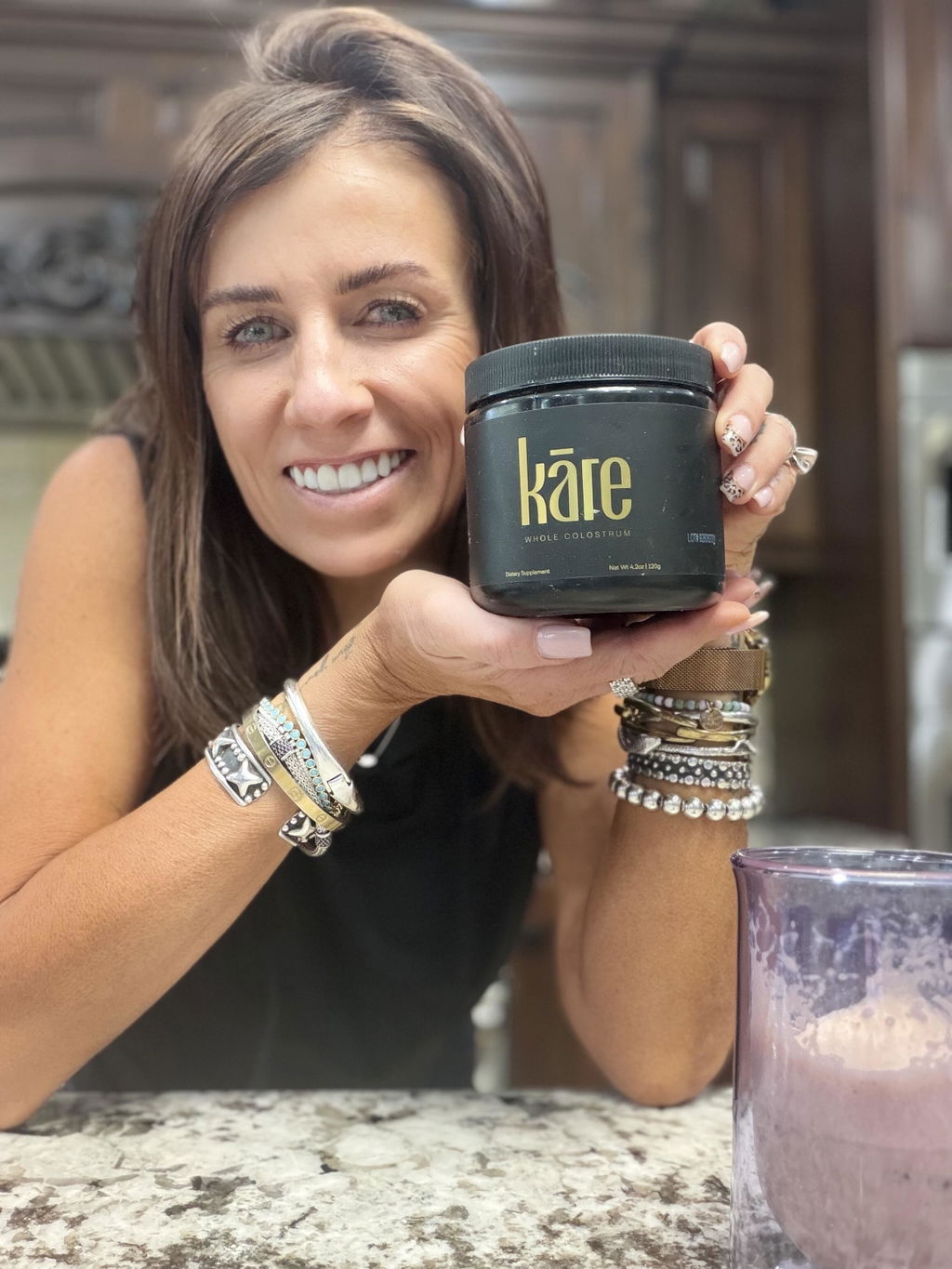
What kāre Does Differently: Transparency From Farm to Powder
Our colostrum comes from grass-fed, pasture-raised cows on New Zealand's South Island—animals that roam freely outdoors 365 days a year on a 95%+ fresh grass diet. That's the farm-level transparency.
But the real commitment to honesty is in the processing and testing. We process fresh colostrum (never frozen) within 48 hours of collection using gentle low-temperature spray-drying at 37-60°C. And we report IgG using turbidity-corrected testing, so the number on the label is what's actually bioactive.
This means our IgG numbers are lower than some competitors. We're okay with that. A lower honest number beats a higher inflated one every time. We also hold FSSC 22000 and ISO 17025 certifications, use no additives or preservatives, and ensure every calf receives their first 4 litres of colostrum before we ever collect from the herd.
If you want to understand what's really in a colostrum supplement, start by asking about testing methodology and processing temperature. Then look for certifications that verify what the brand claims. And remember: transparency isn't a marketing advantage. It's a sign of confidence in what's actually in the bottle.
Ready to try colostrum from a brand that actually shows its work? Try kāre and feel the difference that honest sourcing and transparent testing makes.
Learn more: Curious about what IgG does for your body? Read our guide on what IgG in colostrum actually is. Or explore how colostrum supports immune function.