Colostrum Heat Processing Damage: Why IgG Numbers Matter More Than You Think
You've seen the label: "25,000 mg IgG per serving." Then you see another: "18,000 mg IgG per serving." Same product category. Wildly different numbers. So which one actually works?
The answer isn't which number is bigger—it's which number is real. And here's what most people don't know: harsh heat processing can destroy the very thing that makes colostrum valuable. It damages IgG (immunoglobulin G, the key immune antibody in colostrum), yet many brands still report inflated figures because their testing method doesn't account for the damage.
Let's talk about what's actually happening to your colostrum before it reaches you.
Heat Processing and IgG Damage: The Plain Truth
Colostrum is a living biological substance. Its magic lies in fragile bioactive compounds—proteins, antibodies, growth factors—that evolved to be delivered fresh to a newborn calf within hours of birth.
When colostrum is spray-dried at high temperatures (many brands use 60°C to 100°C+), something happens: the heat damages these delicate proteins. IgG molecules, which are large proteins, become partially denatured—think of it like cooking an egg. The structure changes. The protein unfolds. It's no longer fully functional.
But here's the kicker: standard protein testing doesn't always catch this. It measures the presence of protein material, not whether that protein is still active and useful to your body. Some brands report IgG numbers based on total protein content, not bioactive protein content. That's where the inflation happens.
The result? You might be buying what looks like a premium product, but you're getting a fraction of the actual immune support you paid for.
How Testing Methods Reveal the Truth (or Hide It)
Not all IgG testing is created equal. This is where transparency gets real.
Standard protein assays measure nitrogen content or general protein weight. They're accurate for "how much protein exists," but they can't distinguish between active protein and denatured protein. It's like counting all the cars in a parking lot without checking which ones actually run.
Turbidity-corrected testing is different. Turbidity refers to cloudiness in a solution. When IgG is bioactive and intact, it creates a specific optical signature. This testing method accounts for the structural integrity of the protein itself, giving you a true picture of what's actually functional. Understanding IgG in colostrum means understanding that a lower, accurate number is infinitely more valuable than a higher, inflated one.
Research in dairy science consistently shows that low-temperature processing preserves significantly more bioactive protein than conventional spray-drying. One study found that proteins processed above 70°C showed measurable denaturation within 48 hours. At 37-60°C, the damage is minimal—which is why processing temperature is the first thing to ask any colostrum brand.
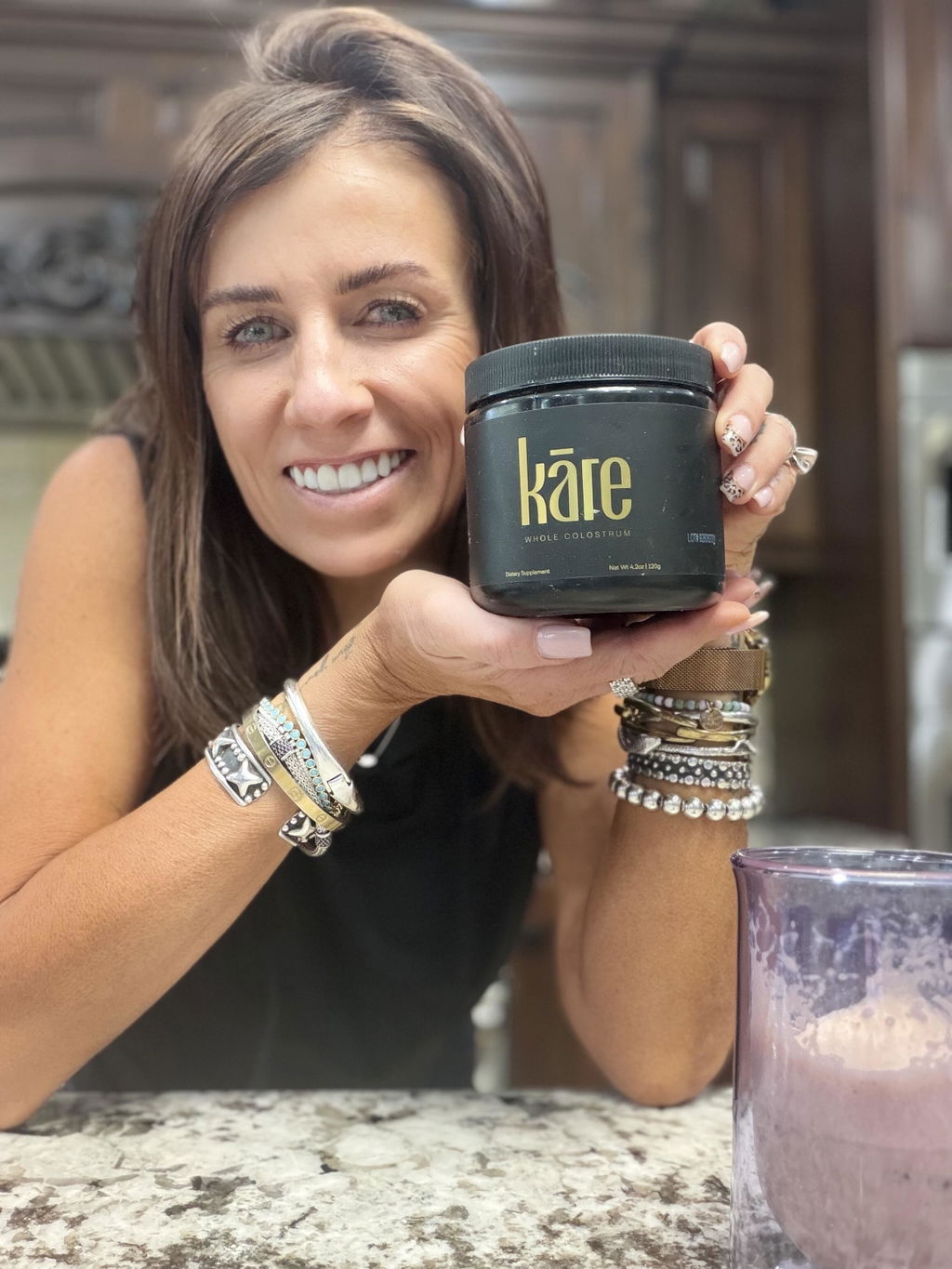
Why kāre Reports Real Numbers (Even When They're Lower)
Our colostrum is processed fresh within 48 hours of collection using gentle, low-temperature spray-drying at 37-60°C. That's significantly cooler than industry standard. Why? Because we're not trying to hide anything.
We use turbidity-corrected testing, which means our reported IgG numbers reflect what's actually bioactive in your body. Yes, that number is sometimes lower than competitors' claims. And that's exactly why it matters more.
Our cows live on New Zealand's South Island below the Southern Alps, grazing year-round on fresh pasture (95%+ of their diet). They're never routinely vaccinated or artificially stressed—both factors that significantly impact colostrum quality. We're rBST-free, non-GMO, and certified FSSC 22000 and ISO 17025. And because we believe in doing things right, the calves receive their first 4 litres of colostrum before we collect any. Always.
This approach costs more. It's harder to scale. But it means when you buy kāre, the IgG you see on the label is the IgG your immune system actually receives. Supporting your immune system starts with real, honest sourcing and processing.
Heat-damaged colostrum might look impressive on paper. But your body knows the difference. If you're going to invest in colostrum, invest in the version that's actually bioactive—not just biologically present. Try kāre and feel the difference real colostrum makes.