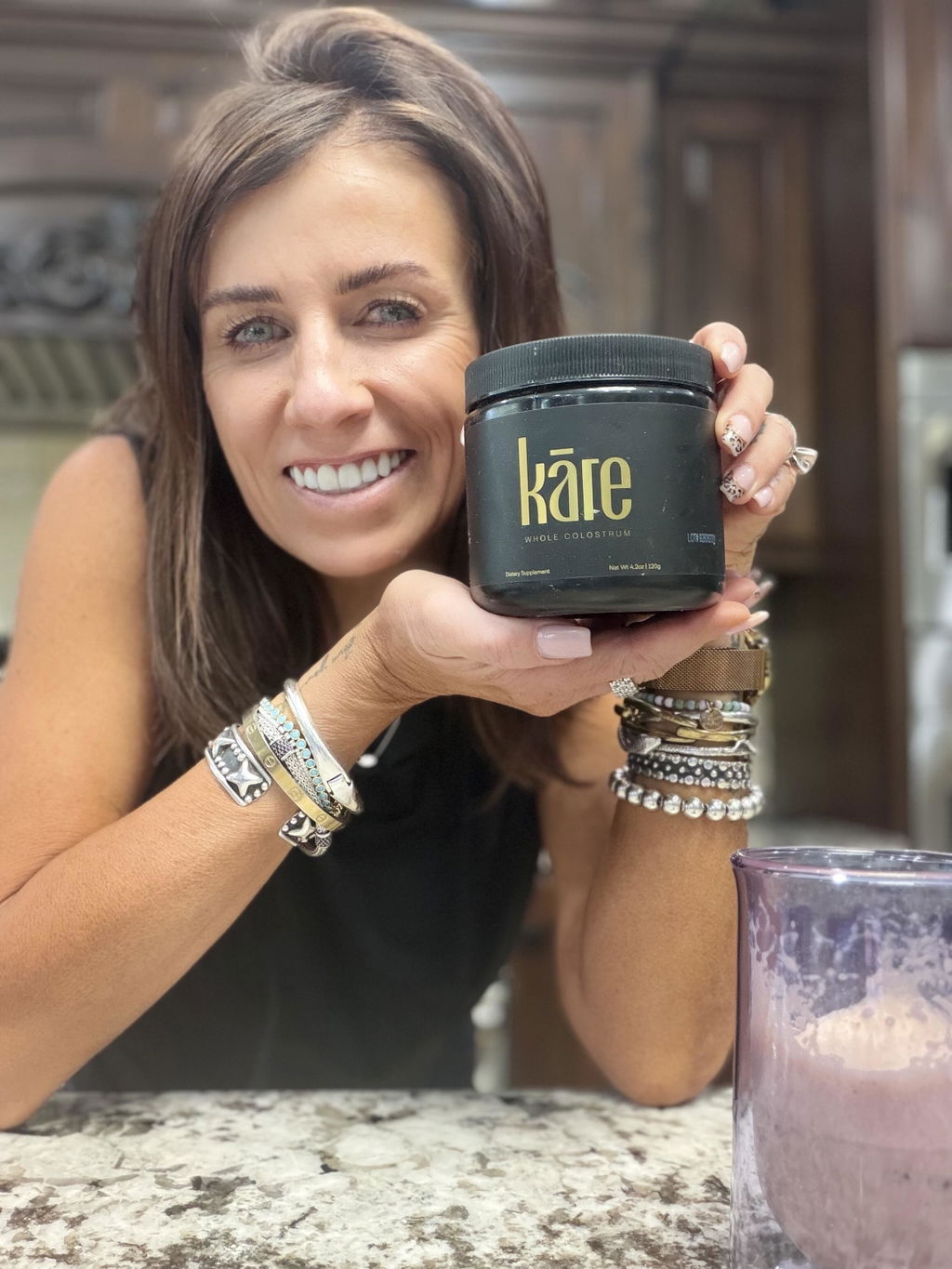
Colostrum for Women in Their 60s: Supporting Skin Health From Within
If you're in your 60s and wondering why your skin feels less resilient than it used to, you're not alone. The natural decline in collagen and elastin is real—and it accelerates after menopause. But here's what's interesting: colostrum, the nutrient-dense first milk produced by cows after calving, contains bioactive compounds that may support your skin's ability to maintain its structure and glow. This isn't a quick fix. It's support from the inside out.
What Colostrum Actually Does for Aging Skin
Colostrum is packed with proteins, growth factors, and immune compounds that your body recognizes and can use. For skin health specifically, research suggests that colostrum may help maintain elasticity and support the skin barrier—the outermost layer that keeps moisture in and irritants out.
The mechanism is straightforward: colostrum contains immunoglobulins (antibodies that defend your body) and growth factors like IGF-1 (insulin-like growth factor 1, a protein that plays a role in cellular repair and regeneration). When you consume colostrum, these bioactive compounds may help your body's natural healing and maintenance processes. Your skin doesn't exist in isolation; it reflects what's happening at the cellular level throughout your body.
Unlike topical creams that sit on the surface, colostrum works systemically—meaning it supports your whole body, including the deep layers of skin where collagen lives.
The Science Layer: How Colostrum Supports Skin Resilience
Studies have shown that colostrum's growth factors may stimulate fibroblasts—the cells responsible for producing collagen and elastin. This is particularly relevant for women over 60, whose fibroblasts become less active due to declining estrogen and natural aging.
Additionally, colostrum has been shown to support gut health and the gut microbiome, which has a direct connection to skin clarity and resilience through the gut-skin axis. A healthier microbiome may reduce systemic inflammation, which is a known accelerator of visible aging.
The immunoglobulins in colostrum (particularly IgG, the most abundant antibody in colostrum) may also support your body's natural defense against oxidative stress—a key driver of skin aging. This is why many women find that colostrum for skin elasticity feels like a natural fit alongside their existing routines.
Why Sourcing and Processing Quality Matter More Than You'd Think
Not all colostrum is created equal, and this matters especially when you're investing in your skin health.
kāre's colostrum comes from grass-fed, pasture-raised cows on New Zealand's South Island—animals that roam freely outdoors 365 days a year on fresh grass. This isn't just a nice story; the cow's diet and lifestyle directly influence the nutrient density of the colostrum they produce.
Here's the transparency piece: some brands report inflated IgG numbers because harsh processing damages proteins, inflating the measurements. kāre uses turbidity-corrected testing, which means the IgG number we report is actually bioactive and available to your body. A lower accurate number beats a higher inflated number.
We also process colostrum fresh—never frozen—within 48 hours of collection using gentle, low-temperature spray-drying (37-60°C). This preserves the heat-sensitive growth factors and immunoglobulins that actually support your skin. And we're certified FSSC 22000, ISO 17025, Non-GMO, and rBST-free. Calves always receive their first 4 litres before any collection begins.
A Realistic Expectation
Colostrum is not a wrinkle eraser. What it may do is support your skin's baseline resilience, elasticity, and barrier function from within. Most people notice subtle shifts over 8-12 weeks: skin that feels more supple, a clearer complexion, or a general sense that their skin is behaving better. Combined with sun protection, hydration, and sleep, colostrum fits into a whole-life approach to aging well.
If you're curious about the broader picture, our guide to colostrum as an anti-aging supplement goes deeper into how it supports multiple aging pathways.
Your 60s are not the end of skin vitality—they're just a different chapter. If you're ready to support that chapter with something grounded in both science and real-world sourcing, try kāre.