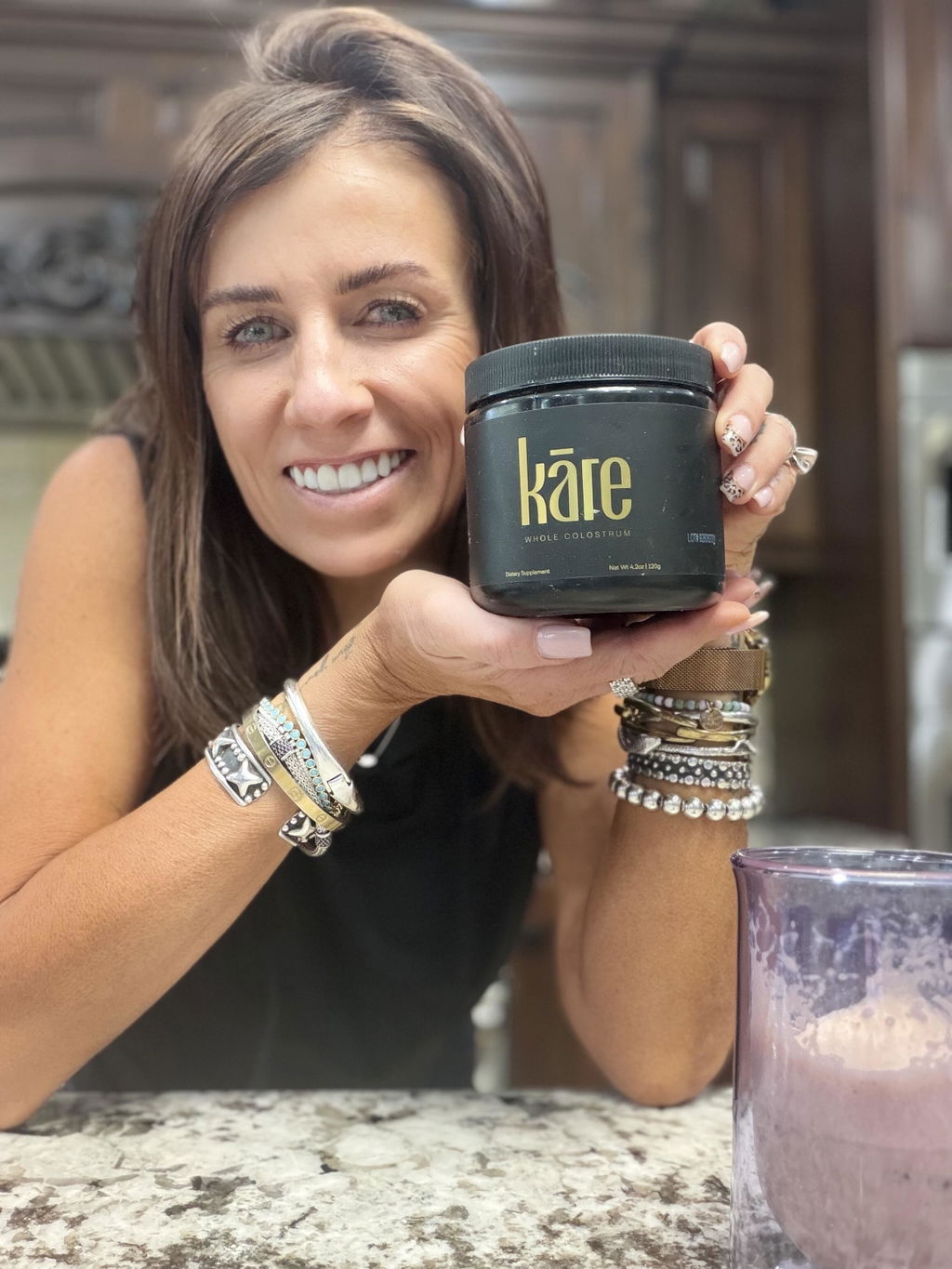
Colostrum for Leaky Gut After Antibiotics: How This Nutrient Rebuilds Your Digestion
Antibiotics save lives. They also obliterate your gut microbiome—the trillions of beneficial bacteria that keep your digestive system healthy and your immune system sharp. The result? That post-antibiotic gut fog, bloating, and that nagging feeling that your digestion has been hijacked. If you're searching for ways to repair the damage, colostrum may be exactly what your gut needs to bounce back.
What Happens to Your Gut After Antibiotics (And Why Colostrum Helps)
Antibiotics don't discriminate. They kill the bad bacteria causing your infection, but they also wipe out the good bacteria that line your intestinal walls and protect against harmful pathogens. This creates what's often called "leaky gut"—a state where your intestinal barrier becomes more permeable, allowing partially digested food and bacteria to slip into the bloodstream. It sounds dramatic because it is.
Colostrum is the nutrient-dense first milk produced by mammals after birth. It's packed with immunoglobulins (particularly IgG, the most abundant antibody in your body), lactoferrin, and growth factors—all designed by nature to seal and strengthen the intestinal lining. Research suggests that colostrum may help restore the integrity of your gut barrier by supporting the tight junctions between intestinal cells, essentially rebuilding the fence that antibiotics damaged.
Unlike probiotics alone, which repopulate bacteria, colostrum works as a protective coating and nutrient delivery system. Think of it as scaffolding for your gut while your microbiome re-establishes itself.
The Science: IgG, Lactoferrin, and Intestinal Repair
IgG is the key immune antibody in colostrum. It works by binding to pathogens and toxins in your digestive tract, neutralizing them before they can cause inflammation or damage. After antibiotics disrupt your microbial balance, your intestinal walls are inflamed and vulnerable. IgG provides immediate immune support while your gut rebuilds.
Lactoferrin, another colostrum superstar, binds to iron in the gut—this sounds technical, but here's the plain truth: it starves harmful bacteria of the iron they need to survive while promoting the growth of beneficial bacteria. It also strengthens the intestinal barrier itself.
Growth factors in colostrum (like IGF-1 and EGF—insulin-like growth factor and epidermal growth factor) have been shown in research to stimulate the growth and repair of intestinal cells. In studies, people recovering from gut damage showed improved intestinal permeability when supplementing with colostrum. It's not a cure, but the evidence is solid that it supports the healing process your body is already trying to do.
Why kāre Colostrum Works Better for Gut Recovery
Not all colostrum is created equal—and this matters when your gut is compromised.
kāre sources from grass-fed, pasture-raised cows on New Zealand's South Island, where they roam freely 365 days a year on fresh alpine pasture. This isn't marketing fluff; the quality of the colostrum directly reflects the health of the cow. Our cows are never routinely vaccinated or artificially stressed, and we never use rBST (recombinant bovine somatotropin—a synthetic hormone). That means the IgG and growth factors in our colostrum are genuinely potent.
Here's the transparency piece: colostrum IgG levels can be misleading. Some brands use harsh processing that damages proteins, then report inflated IgG numbers. We use turbidity-corrected testing, which means our reported IgG is actually bioactive and ready to work in your gut. A lower accurate number beats a higher inflated one, especially when you're trying to heal.
We process fresh colostrum within 48 hours of collection using gentle low-temperature spray-drying (37-60°C). This preserves the bioactive properties that make colostrum so effective for gut repair. And yes, our calves always receive their first 4 litres before we collect anything—ethics matter.
How to Use Colostrum After Antibiotics
Colostrum works best as part of a broader gut-recovery strategy. Pair it with colostrum's role in restoring your microbiome, consider adding a quality probiotic once your antibiotic course ends, and give yourself grace—gut healing takes time.
Most people start with 10–20g of colostrum powder daily, mixed into water, smoothies, or warm (not hot) beverages. Consistency matters more than dosage. Give it at least 4–6 weeks to notice real changes in bloating, digestion, and energy.
Want to dive deeper into how colostrum supports your immune system during recovery? Check out our guide to colostrum for immune system support.
Your gut is tougher than you think, and it's eager to heal. With the right support—fresh, ethical, transparently tested colostrum—you can rebuild what antibiotics took away. Try kāre colostrum and feel the difference real, bioactive nutrition makes.