Colostrum for Leaky Gut: How This Bovine Superfood May Support Your Intestinal Barrier
If you've landed here, you're probably familiar with that uncomfortable feeling—digestive complaints, persistent bloating, or the sense that your gut isn't doing its job properly. You might have heard about "leaky gut" and wondered if colostrum could help. Here's the straightforward truth: bovine colostrum has been shown in research to support the integrity of your gut lining, and it may help restore the barrier function that keeps unwanted particles out of your bloodstream. We're going to walk you through how it works, why the science matters, and why the source of your colostrum makes all the difference.
What Is Leaky Gut, and How Might Colostrum Help?
Your gut lining is a barrier—a semi-permeable membrane that decides what gets absorbed into your bloodstream and what gets eliminated. When this barrier becomes compromised (what some call "leaky gut" or increased intestinal permeability), larger particles that shouldn't make it through can slip into circulation. This may trigger immune responses and inflammation elsewhere in your body.
Bovine colostrum, the nutrient-dense first milk produced by cows after calving, contains compounds that may help reinforce that barrier. The primary mechanism involves immunoglobulins (protective proteins) and growth factors that nourish the cells lining your intestines. Think of colostrum as a repair crew and a bouncer combined—it helps heal the barrier and strengthens your gut's ability to distinguish friend from foe.
Research suggests that colostrum may support the tight junctions between intestinal cells, reducing unwanted permeability. This is why many people exploring gut health turn to colostrum as part of a broader healing approach.
The Science: IgG and Growth Factors in Action
The star player in colostrum is IgG—an immunoglobulin (a fancy term for an antibody, a type of immune protein) that acts like a shield inside your digestive tract. IgG doesn't get absorbed; it stays in your gut and helps neutralize pathogens and inflammatory particles before they cause trouble.
Bovine colostrum also contains lactoferrin and growth factors like IGF-1 (insulin-like growth factor 1, a compound that supports tissue repair). These growth factors stimulate the growth and repair of intestinal cells, potentially helping to restore barrier function over time.
Here's the catch: not all colostrum supplements deliver the same bioactive IgG. Some brands use harsh processing methods that damage proteins, then report inflated IgG numbers because their testing doesn't account for the damage. A lower number of actually bioactive IgG beats a higher number of damaged proteins any day. You need IgG that's intact and functional—not just a big number on a label.
Studies in both animal and human models have shown that colostrum may reduce markers of intestinal permeability and support immune tolerance in the gut. If you're interested in the broader picture, you might also explore how colostrum supports your gut microbiome, as a balanced microbial community is central to barrier function.
Why kāre Colostrum Is Different—And Why It Matters for Your Gut
Not all colostrum is created equal. The source, farming practices, and processing method determine whether you're getting genuine bioactive compounds or degraded proteins.
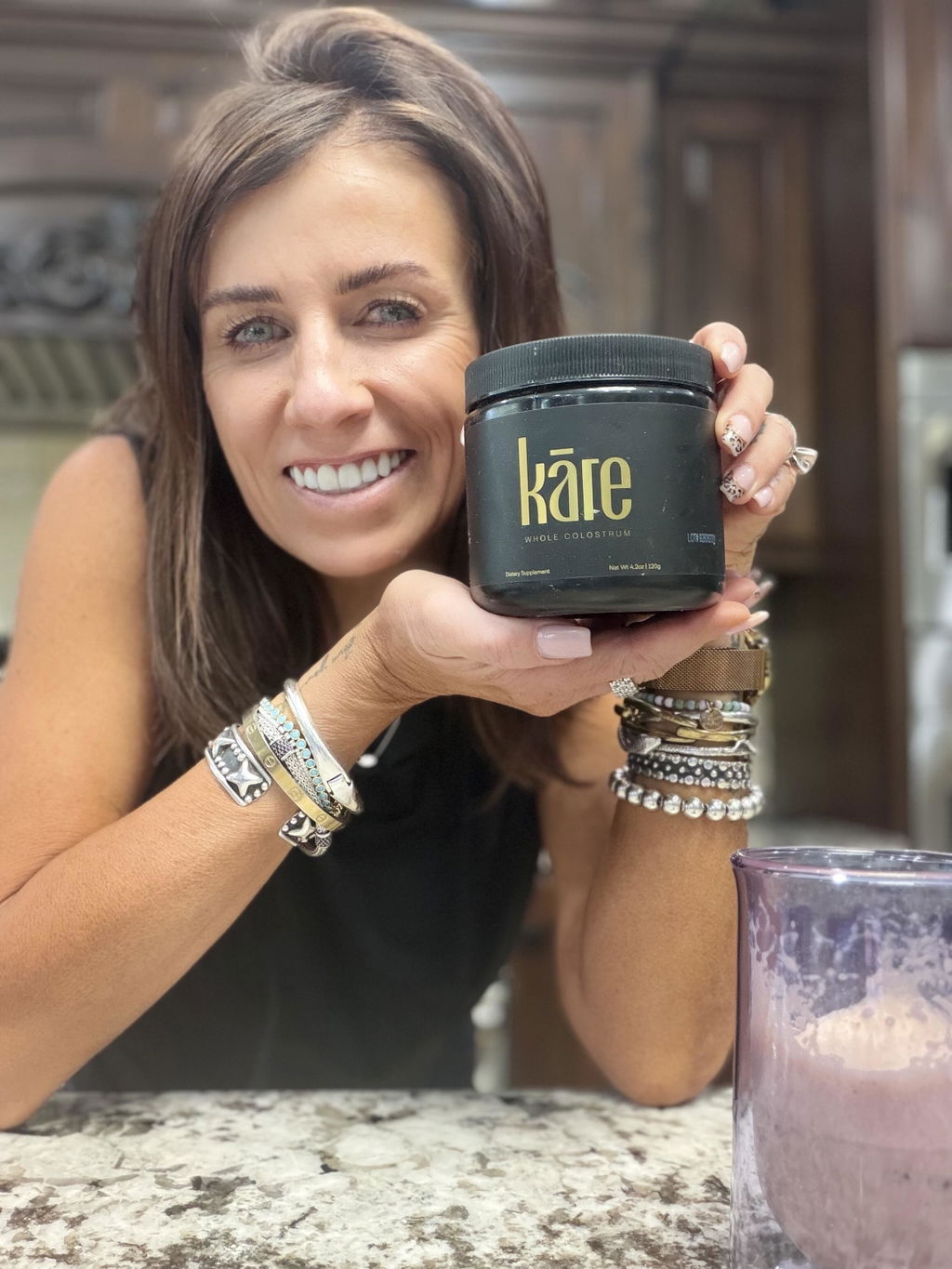
kāre sources colostrum from grass-fed, pasture-raised cows on New Zealand's South Island, below the Southern Alps. These cows roam freely outdoors 365 days a year, with 95%+ of their diet being fresh grass. No routine vaccinations, no artificial stress, no antibiotics—just cows doing what they evolved to do. Ethical farming isn't just a nice story; it means the colostrum is genuinely nutrient-dense and free from unnecessary residues.
Here's the transparency part: kāre processes colostrum fresh (never frozen) within 48 hours of collection using gentle, low-temperature spray-drying at 37–60°C. This preserves the bioactive proteins that make colostrum effective. And we test using turbidity-corrected methods, so the IgG numbers we report are actually bioactive—not inflated by damage you can't see. Every batch is certified FSSC 22000 and ISO 17025, and we're rBST-free and non-GMO.
Want to dive deeper into the IgG question? Read our guide on why accurate IgG testing matters.
The Bottom Line
Leaky gut is real, and research suggests colostrum may help. The key is choosing a product that's genuinely bioactive—sourced ethically, processed gently, and tested honestly. kāre colostrum meets all those criteria, giving you the best chance of supporting your intestinal barrier with a supplement you can actually trust.
Ready to explore whether colostrum is right for your gut health? Try kāre.