Colostrum for Intermittent Fasting: The Fasting Window Edge
If you're practising intermittent fasting, you've probably noticed that the fasting window gets easier once your body adapts—but those first few weeks? Hunger pangs, energy dips, and that nagging sense your gut isn't quite happy. Colostrum won't break your fast, but it might just make the whole experience smoother. Here's why people who fast are reaching for it.
What Colostrum Actually Does During a Fast
Let's start with the simple stuff. Colostrum is the nutrient-dense first milk produced by cows after calving. It's packed with immunoglobulins (the antibodies your body uses for immune defence), growth factors, and amino acids. Unlike a heavy meal, a small amount of quality colostrum during fasting—say, a teaspoon mixed into black coffee or warm water—provides almost no calories (we're talking single digits) while delivering compounds that support satiety, stable blood sugar, and gut integrity.
Many fasters report feeling more settled during their fasting window when they include colostrum. That's partly because colostrum supports the gut lining, which can reduce hunger signals triggered by inflammation or permeability. It's not magic; it's biomechanics.
Research suggests that the bioactive compounds in colostrum—particularly growth factors and amino acids—may help preserve lean muscle mass during fasting periods, something anyone who fasts beyond 16-24 hours cares about deeply.
The Mechanism: Gut Health and Hunger Hormones
Here's where science gets interesting. Your gut lining is semi-permeable by design, but when it's inflamed or compromised, hunger signals can go haywire. Colostrum contains growth factors (particularly IGF-1 and EGF) that have been shown to support the integrity of the intestinal epithelium—the barrier that controls what gets absorbed and what doesn't.
A healthier gut lining means better regulation of hunger hormones like ghrelin and leptin. It also means your fasting period feels less like punishment and more like a genuine physiological state your body can actually sustain. Colostrum's role in supporting gut inflammation is particularly relevant here; chronic low-grade gut inflammation is one of the hidden drivers behind fasting discomfort.
Additionally, colostrum may support stable blood sugar during your eating window, which reduces the blood sugar crashes that trigger premature hunger in your next fasting period. It's a virtuous cycle.
Why kāre Colostrum Works Better for Fasting
Not all colostrum is created equal—and if you're fasting, you want the real thing, not inflated marketing numbers.
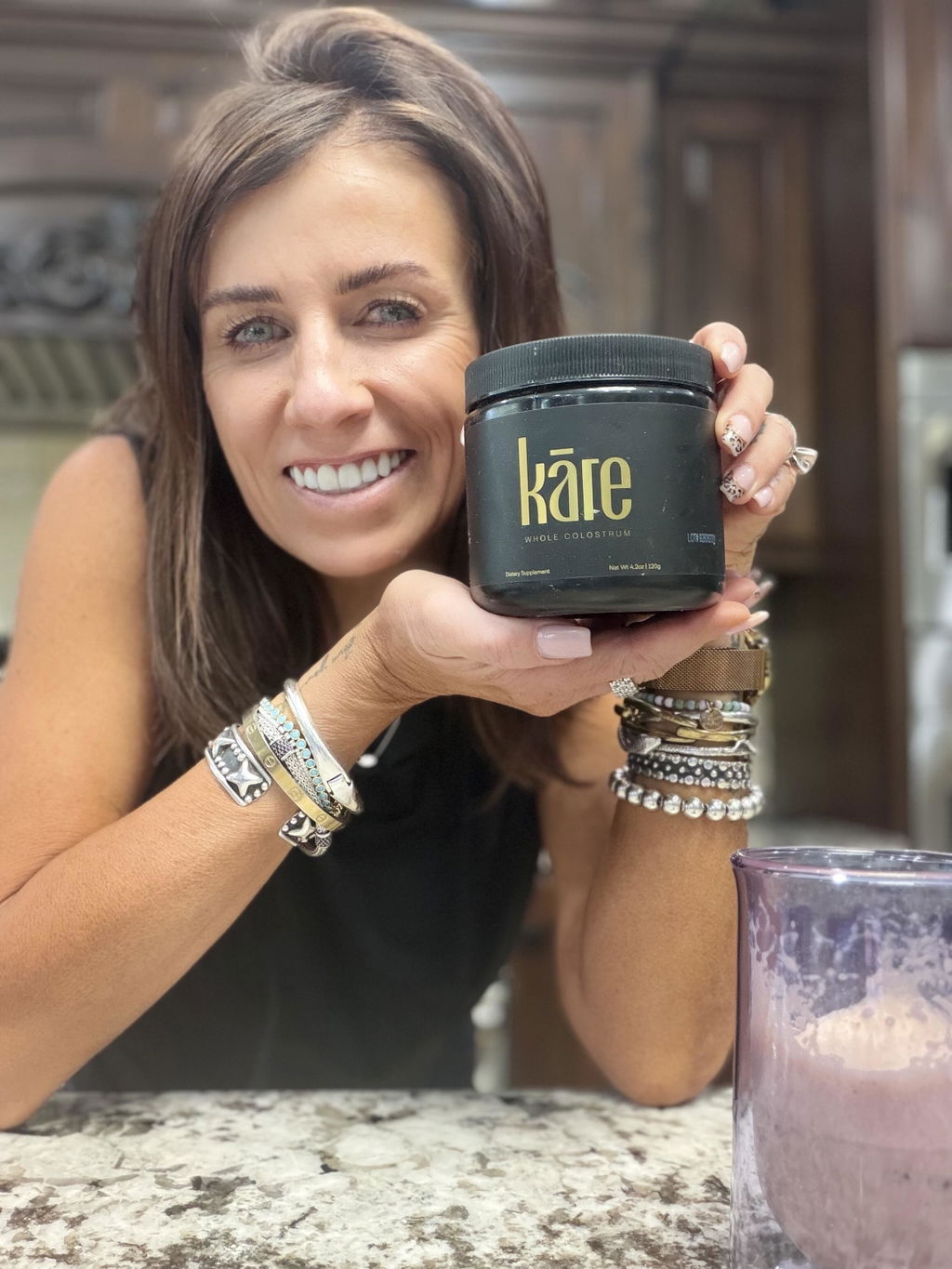
kāre sources from grass-fed, pasture-raised cows on New Zealand's South Island, where animals roam freely outdoors 365 days a year on fresh grass. This matters because stress and poor nutrition directly affect colostrum quality. Our cows aren't routinely vaccinated or artificially stressed, and calves always receive their first 4 litres before any collection—ethics and quality are non-negotiable.
Here's the critical bit: we process fresh (never frozen) within 48 hours using gentle low-temperature spray-drying (37–60°C). This preserves the bioactive compounds you're actually paying for. Some brands report inflated IgG numbers (the key immune antibody) because harsh processing damages proteins, making them appear higher on crude tests. kāre uses turbidity-corrected testing, so our reported IgG is genuinely bioactive. A lower accurate number beats a higher inflated one every time.
For someone fasting, this transparency matters. You're looking for real immune support and genuine gut integrity, not a label number that looks good in marketing copy.
Intermittent fasting is simple in theory, but the body needs support during the transition. Colostrum's impact on your gut microbiome is another piece of the puzzle—a healthier microbial ecosystem makes fasting easier and more sustainable. If you're serious about making fasting work, quality colostrum is worth considering. Try kāre and feel the difference real, ethically-sourced colostrum can make.