Why Lower IgG Colostrum Can Be Better: The Truth About Testing and Bioactivity
You're shopping for colostrum and you've spotted two products side by side. One claims 50g of IgG per serving. The other claims 35g. Naturally, you reach for the higher number. But what if I told you that the lower number might actually be the smarter choice? Welcome to the uncomfortable truth about how colostrum is tested—and why some brands inflate their numbers without even realizing it.
The Simple Answer: Not All IgG Numbers Are Created Equal
IgG is an immune antibody—think of it as a protective protein that helps your body recognize and fight unwanted invaders. It's the headline nutrient in colostrum, and naturally, higher sounds better. But here's the catch: the way IgG is measured can dramatically change the result.
When colostrum is processed using harsh, high-temperature methods, the proteins get damaged. These damaged proteins still show up on standard IgG tests, inflating the number. It's like counting broken glass as part of a window—technically it's there, but it's not doing what a window is supposed to do.
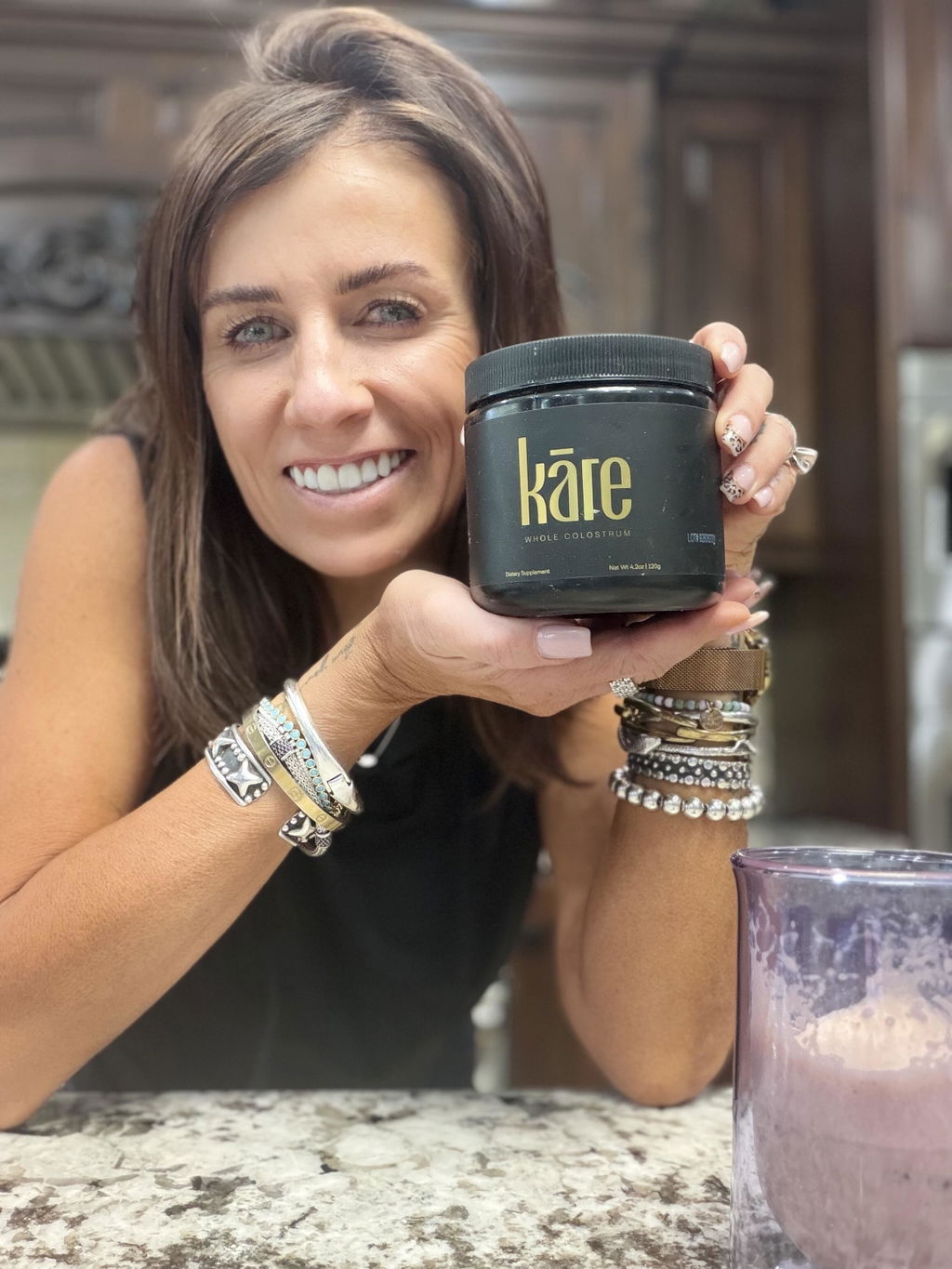
kāre uses turbidity-corrected IgG testing, which filters out those damaged proteins and reports only the bioactive IgG—the stuff that actually works in your body. That's why our numbers are lower, and why they matter more.
Understanding the Science: Why Processing Temperature Matters
Colostrum is packed with delicate, heat-sensitive compounds. The proteins that make it powerful—IgG, lactoferrin, growth factors—begin to break down above certain temperatures. When some brands use conventional spray-drying or other aggressive methods, they prioritize speed and yield over what's actually left standing at the end.
Research suggests that bioactive proteins maintain their function when processed gently. kāre uses low-temperature spray-drying between 37–60°C, which sounds like a small detail until you realize it's the difference between a supplement that supports your immune system and one that's mostly a protein powder.
Standard IgG testing doesn't always account for this damage. That's where turbidity correction comes in—it measures only the proteins that can still do their job. A 35g IgG reading from turbidity-corrected testing is genuinely superior to a 50g reading from uncorrected testing.
The kāre Difference: Transparency From Pasture to Powder
We're not just talking about testing. Our commitment to honest IgG numbers starts at the source. Our cows roam freely on New Zealand's South Island, below the Southern Alps, grazing fresh grass 365 days a year. They're never routinely vaccinated or artificially stressed, which means their colostrum is naturally rich and intact.
We collect colostrum fresh and process it within 48 hours—no freezing, no compromise. We're gentle with temperature because we respect what nature built. And then we test it the right way, report the real number, and let that speak for itself.
This is what ethical sourcing actually looks like: calves receive their first 4 litres before we collect anything, our cows are rBST-free and non-GMO, and every batch is certified FSSC 22000 and ISO 17025. The lower IgG number on our label isn't a weakness—it's proof that we're telling you the truth.
If you're serious about colostrum quality, stop chasing the biggest number on the label. Look for brands that invest in proper testing, gentle processing, and transparent sourcing. Learn more about what IgG actually is and why bioactivity matters, or explore how colostrum supports your gut microbiome.
Real quality whispers. It doesn't shout. When you're ready for colostrum that's been tested right, sourced ethically, and processed with care, try kāre.