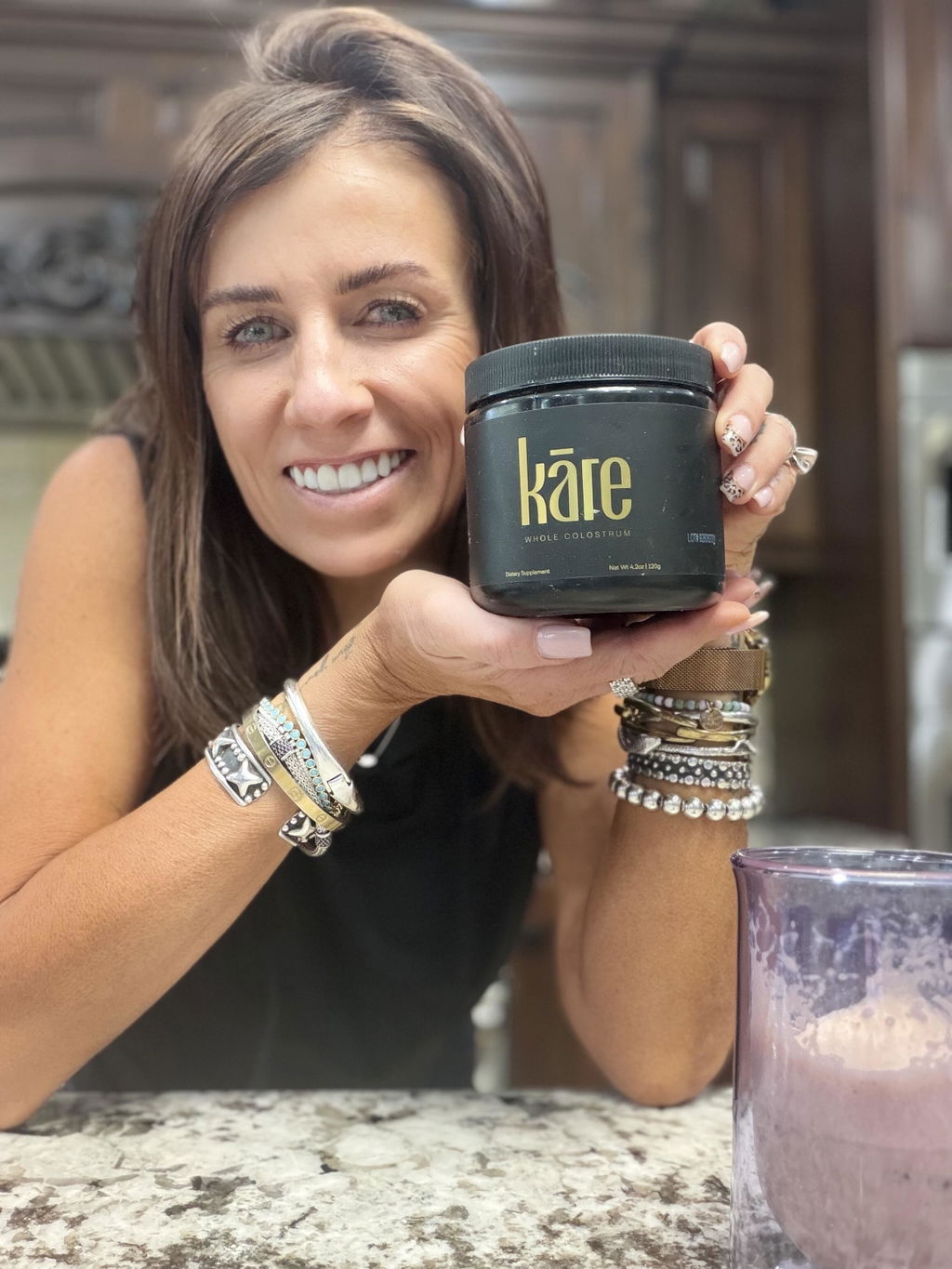
Whole Colostrum vs Colostrum Extract: Which Form Actually Works Better?
If you're researching colostrum supplements, you've probably stumbled across two very different products: whole colostrum powder and colostrum extract. They sound like they should do the same thing. They don't. The difference comes down to how the colostrum is processed—and that processing choice affects what your body actually gets. Let's cut through the noise and explain what you're really buying.
Whole Colostrum vs Extract: The Plain English Version
Whole colostrum is the complete first milk from freshly calved cows. It contains everything: immunoglobulins (antibody proteins), growth factors, lactoferrin (an iron-binding protein), and dozens of other bioactive compounds working together. Think of it as the full orchestra.
Colostrum extract is a processed version where manufacturers isolate specific compounds—usually immunoglobulin G (IgG), the key immune antibody. They remove water, fat, and lactose to concentrate just the parts they've chosen. It sounds efficient. It isn't always.
The real question isn't "which is better in theory"—it's "which is better after processing?" Because how colostrum gets processed matters far more than whether it's whole or extracted.
Why Processing Determines Your Results
Here's where science enters the room. Colostrum is delicate. The bioactive compounds—especially IgG and growth factors—denature (break down) when exposed to heat, harsh chemicals, or aggressive handling. Most conventional processing uses high-temperature spray-drying (60-80°C and above), which damages these sensitive proteins.
When IgG proteins are damaged during processing, they lose their ability to do their job effectively. Yet many brands report inflated IgG numbers because standard testing methods (like the Bradford assay) don't distinguish between intact, bioactive IgG and damaged protein fragments. Some brands count the broken pieces in their reported numbers—which means they're claiming strength they don't actually have.
Whole colostrum, when processed gently, preserves its full spectrum of compounds. Extracts can work well, but only if the extraction process is gentle enough to protect what's being isolated. An extract processed at harsh temperatures is simply concentrated damage.
Understanding IgG and how it's measured is the key to evaluating any colostrum product, whether whole or extracted.
The kāre Difference: Whole Colostrum, Ethical Sourcing, Honest Testing
We make whole colostrum powder from grass-fed, pasture-raised cows on New Zealand's South Island. Our cows roam freely outdoors 365 days a year on fresh grass. That foundation matters: healthier cows produce colostrum with a stronger immune profile.
We process fresh colostrum within 48 hours of collection using low-temperature spray-drying (37-60°C)—gentle enough to preserve bioactive compounds, fast enough to prevent degradation. We never freeze-store colostrum before processing, which damages proteins and reduces efficacy.
Here's the part most brands won't tell you: we use turbidity-corrected IgG testing, which measures only intact, bioactive immunoglobulins. Our reported IgG is lower than some competitors—because we're not counting broken protein fragments. A lower accurate number beats a higher inflated one every time.
Beyond the powder itself, our ethics matter. Calves receive their first four litres of colostrum before we collect any. Our cows aren't routinely vaccinated or artificially stressed to boost immune markers artificially. The colostrum you get is genuinely representative of what a healthy calf needs.
Learn more about New Zealand sourcing and why it affects quality.
The Practical Truth
Whether you choose whole colostrum or extract matters less than choosing a brand that processes gently and tests honestly. If you're comparing products, ask for turbidity-corrected IgG numbers, learn about processing temperatures, and understand where the cows live and how they're treated.
Whole colostrum has one advantage: you get the complete nutrient profile without relying on manufacturers to guess which compounds matter most. Most research studies use whole colostrum, not extracts. That's worth noting.
Ready to try a whole colostrum that's processed right? Experience kāre colostrum—sourced from cows that never see a feed lot, processed within 48 hours, tested for real bioactivity, and backed by the confidence of transparent sourcing.