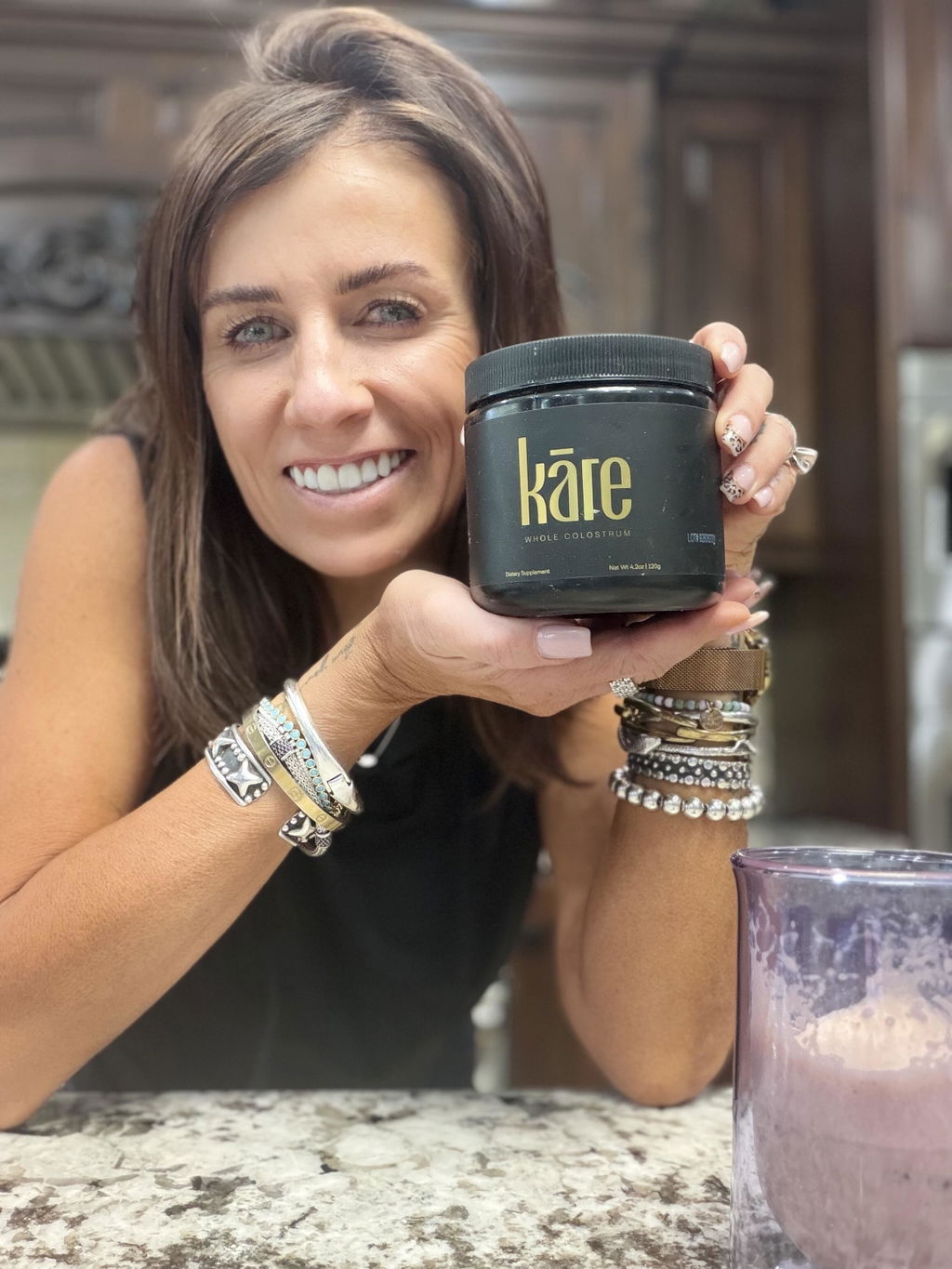
NZ Colostrum vs US Colostrum Quality: What Actually Makes the Difference
If you're shopping for bovine colostrum, you've probably noticed the price tags vary wildly. And the sourcing claims? Even wilder. When you're comparing NZ colostrum vs US colostrum, you're really asking three separate questions: Where do the cows live? How are they treated? And how quickly is the colostrum processed? The answers matter more than you'd think—especially if you're after genuine bioactive compounds, not inflated marketing numbers.
The Plain Language Answer: Geography Isn't Just Marketing
New Zealand's colostrum has genuine structural advantages over much US-sourced colostrum. This isn't nationalism. It's biology.
New Zealand's South Island has a temperate climate that allows grass-fed cows to graze outdoors 365 days a year. US dairy operations—even well-managed ones—often rotate cattle indoors during winter months. kāre's source cows spend their entire lives on pasture, eating fresh grass as their primary diet (95%+). This matters because pasture-fed cows produce colostrum with a different immunological profile than grain-supplemented or confined cattle.
Then there's the processing timeline. kāre processes colostrum within 48 hours of collection using gentle low-temperature spray-drying (37-60°C). Many US suppliers freeze colostrum before processing, which damages delicate proteins and immune compounds. Freeze-thaw cycles break cell membranes and denature bioactive molecules. Fresh processing preserves what you're actually paying for.
The Science Layer: Why Bioactive Compounds Matter More Than Hype
Colostrum's value lies in its IgG content—the primary immune antibody that supports your body's natural defenses. Here's where quality gets murky: some brands report inflated IgG numbers because harsh processing damages proteins, making them appear higher under standard testing. It's a measurement artifact, not actual bioactivity.
kāre uses turbidity-corrected testing, which means our reported IgG is genuinely bioactive. A lower accurate number beats a higher inflated number every time. You're comparing real immunoglobulin compounds, not damaged protein fragments that look good on a label.
The pasture-fed advantage shows up here too. Research suggests grass-fed colostrum has a richer diversity of immune factors, growth factors, and lactoferrin (an iron-binding protein with its own bioactive properties). US grain-fed operations produce colostrum, yes—but the immunological density differs measurably.
kāre's Specific Angle: Sourcing, Transparency, and Ethical Farming
We're not just claiming to be better. We're transparent about how we're different.
Our cows live on New Zealand's South Island below the Southern Alps—a region with some of the cleanest, most regulated dairy farming standards globally. They're never routinely vaccinated or artificially stressed (stress hormones compromise colostrum quality). They're not exposed to rBST or GMO supplements. And before any colostrum collection, calves receive their first 4 litres—we're committed to ethical sourcing, not maximum extraction.
We're FSSC 22000 certified, ISO 17025 accredited, and verified non-GMO. Those certifications mean independent third parties confirm what we claim. When we say our colostrum is fresh-processed and bioactive, that's auditable fact, not marketing language.
If you're curious about how colostrum supports specific health goals, learn how colostrum may support gut health, or explore colostrum's role in immune function.
The NZ vs US question ultimately comes down to this: Do you want colostrum from cows living naturally on permanent pasture, processed fresh within hours, tested for genuine bioactivity, and sourced ethically? Or are you okay with frozen, grain-supplemented, hastily processed alternatives with inflated numbers? Your immune system probably deserves the real thing. Try kāre and feel the difference quality makes.