Non-GMO Colostrum from New Zealand: Why Sourcing Matters
If you're searching for non-GMO colostrum, you're already thinking like a scientist. You're asking the right questions: Where does it come from? How is it made? Can I trust the label? The answer isn't just about what's not in your supplement—it's about what is, and where it came from. Let's talk about why New Zealand colostrum, sourced ethically and processed carefully, changes the game.
What Non-GMO Colostrum Actually Means (And Why It Matters)
Non-GMO means the colostrum comes from cows that were never fed genetically modified organisms. Straightforward enough. But here's what most people don't realize: in New Zealand, this isn't a marketing stunt. It's the baseline.
Our cows graze on pasture 365 days a year, with over 95% of their diet coming from fresh grass—not grain silos full of GMO feed. They roam freely on the South Island below the Southern Alps, in a region where industrial agriculture hasn't taken over the landscape. No GMO corn. No GMO soy. No shortcuts.
The difference shows up in the final product. When you're not fighting against a diet of processed feed, colostrum arrives in better condition. The immune proteins are intact. The nutritional density is higher. That's not hype; that's biology.
The Science Layer: Bioactive Proteins and Processing
Colostrum contains immunoglobulins—particularly IgG, the primary antibody that supports immune function. Research suggests that IgG has been shown to support gut barrier integrity, immune response, and recovery after physical stress.
But here's where most brands lose the plot: harsh processing destroys these delicate proteins. High heat, aggressive extraction, freezing and thawing—these methods damage the very compounds you're paying for. Some brands report inflated IgG numbers because their testing doesn't account for this protein damage. It's like counting broken tools as working tools.
We process our colostrum fresh within 48 hours of collection using low-temperature spray-drying (37-60°C). That's gentle. That's intentional. And we test using turbidity-corrected methodology, which means our reported IgG is actually bioactive—not inflated numbers that don't reflect reality. A lower accurate number beats a higher false one, every time.
Why New Zealand Non-GMO Colostrum Stands Apart
New Zealand isn't just where we source; it's why we source there. Our cows are never routinely vaccinated or artificially stressed, and calves receive their first 4 litres of colostrum before we collect anything. That's ethical sourcing, not a line in an ad copy.
We hold certifications across FSSC 22000 (food safety), ISO 17025 (laboratory standards), Kosher, Halal, Non-GMO, and rBST-free (no synthetic growth hormones). These aren't participation trophies. They're proof that independent auditors have checked our work.
When you choose non-GMO colostrum from New Zealand, you're not just avoiding what's bad. You're getting what's good: nutrient density, ethical farming, transparent testing, and a product that actually preserves the compounds science has shown to support immune function, gut health, and recovery. Learn more about why IgG matters in colostrum quality or explore how colostrum supports your gut microbiome.
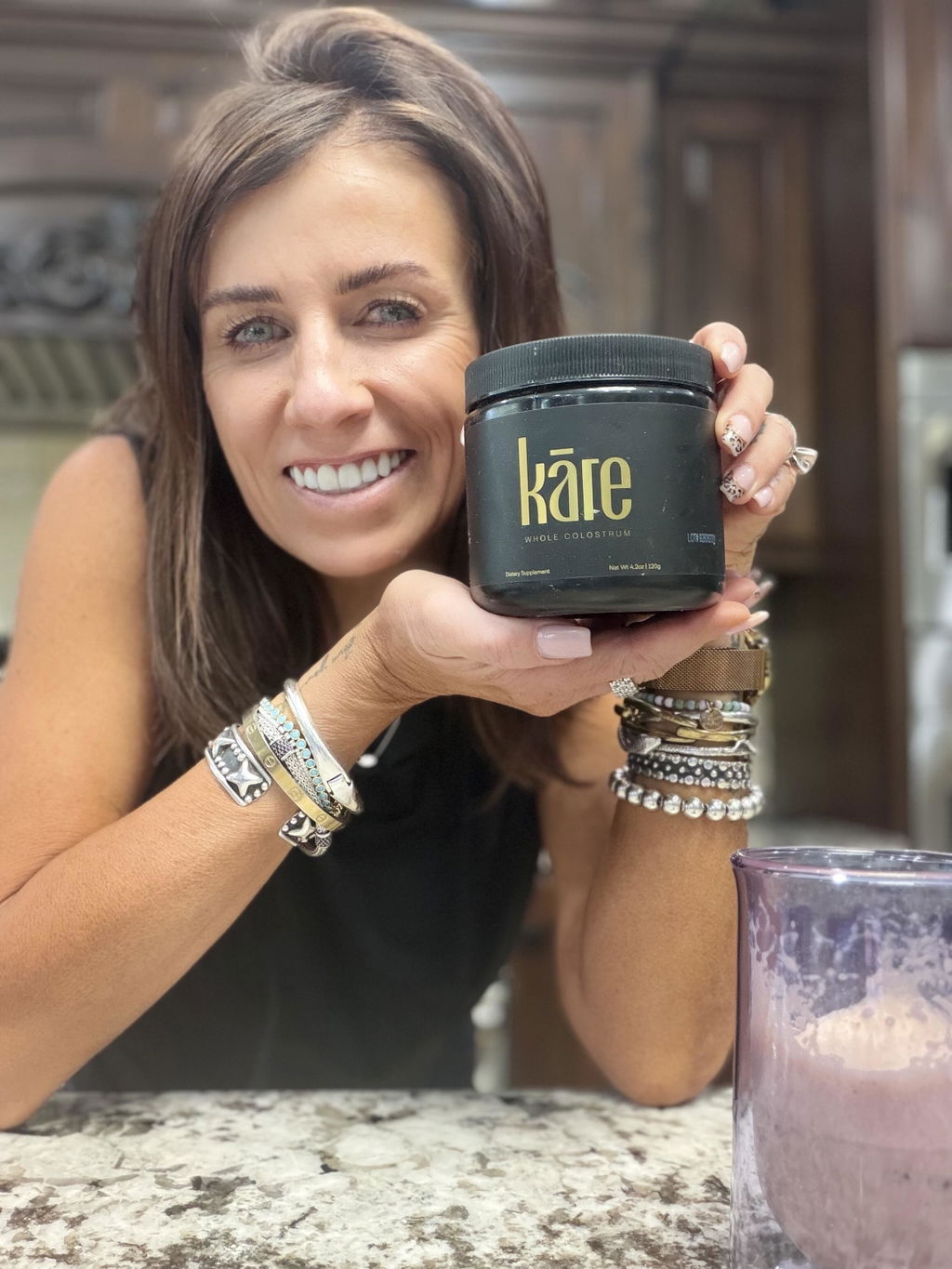
Non-GMO isn't just what you're avoiding—it's the beginning of a better choice. Try kāre colostrum and feel the difference that real sourcing makes.