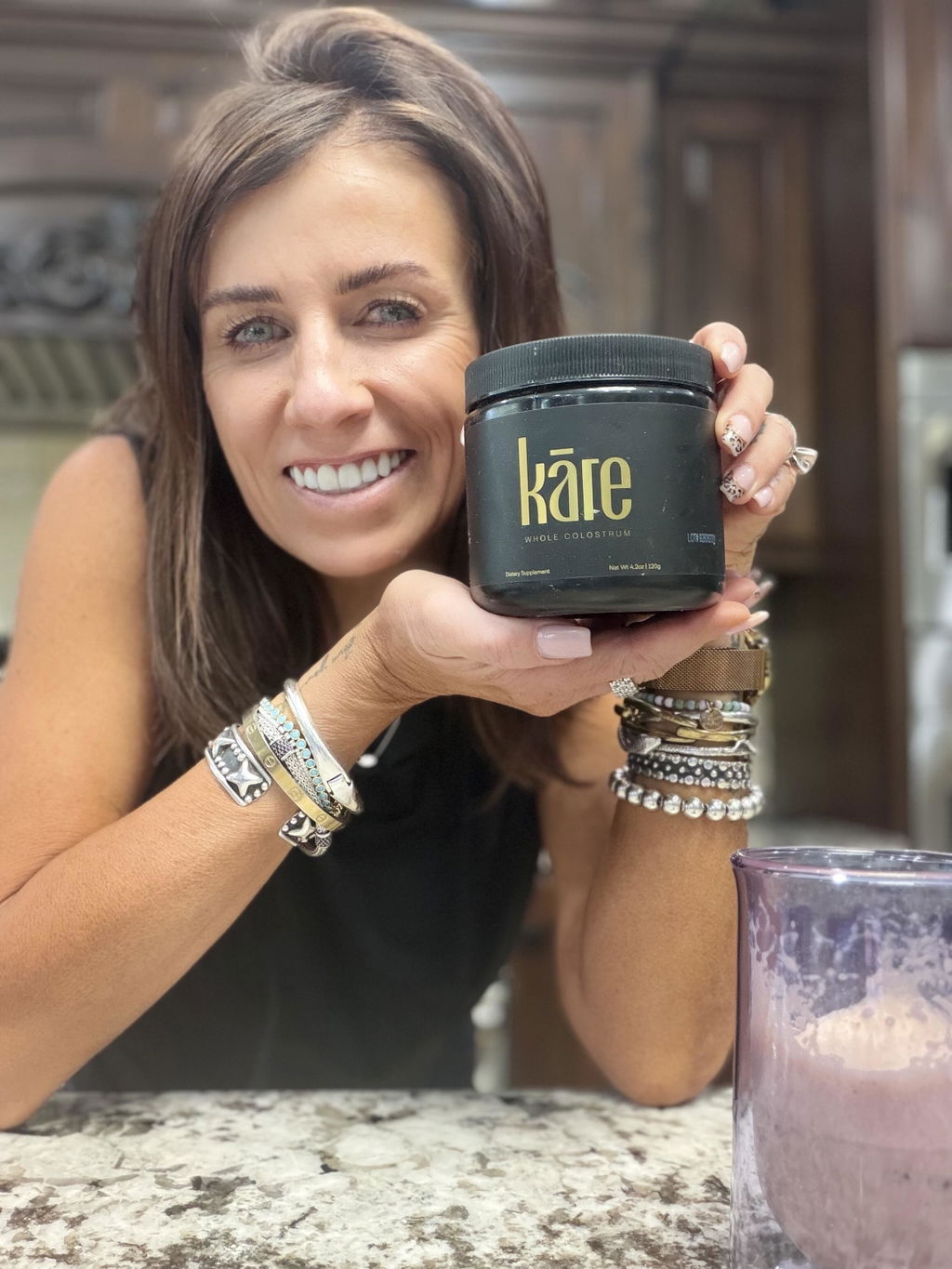
IGF-1 Colostrum for Women: The Anti-Aging Growth Factor You're Missing
You've heard about colostrum for immunity. You've probably seen it marketed for athletes. But if you're a woman interested in aging well—maintaining skin elasticity, hormonal balance, and that cellular vitality that seems to slip away after 30—there's a compound in colostrum that deserves your attention: IGF-1.
IGF-1 (insulin-like growth factor 1) is a naturally occurring hormone that regulates cellular growth and renewal. It peaks in childhood and declines steadily through adulthood. Colostrum is one of the few whole-food sources that contains meaningful levels of it. But not all colostrum is created equal, and understanding the difference between marketing claims and actual bioavailability could change whether this investment actually works for you.
What IGF-1 Actually Does (and What the Research Shows)
Let's start plain: IGF-1 tells your cells to grow, repair, and renew. In the context of aging, this matters for skin thickness, collagen production, bone density, and muscle maintenance—all things women naturally lose as estrogen declines.
Research has shown that IGF-1 may support skin elasticity and hydration. A study published in Growth Hormone & IGF Research found that IGF-1 stimulates collagen synthesis in skin fibroblasts (the cells that produce collagen). Another body of research suggests IGF-1 plays a role in bone turnover, which becomes increasingly relevant for women navigating perimenopause and beyond.
The catch? IGF-1 is a protein, and proteins are fragile. They break down in stomach acid. So the question isn't whether IGF-1 is in colostrum—it is—but whether it survives digestion and actually reaches your bloodstream in a form your body can use.
How IGF-1 Works and Why Processing Temperature Matters
When you consume IGF-1 orally, some of it does survive the digestive tract. Research suggests it can be absorbed intact through the intestinal barrier, especially if your gut is healthy and your intestinal lining is intact. Once absorbed, it enters circulation and can interact with IGF-1 receptors throughout your body—including in skin cells, bone cells, and muscle tissue.
But here's where most colostrum brands miss the mark: they use high-temperature processing (sometimes above 70°C) to dry the powder quickly. High heat damages proteins, including IGF-1. The protein unfolds, denatures, and loses its biological activity. Some brands then test their final product and report high IGF-1 numbers—but those numbers include damaged, non-functional protein.
It's like counting broken keys on a keyboard as if they still work. It inflates the numbers without delivering the benefit.
Why kāre's Approach to IGF-1 (and IgG) Actually Matters
kāre sources colostrum from grass-fed, pasture-raised cows on New Zealand's South Island, below the Southern Alps. These cows roam freely outdoors 365 days a year on 95%+ fresh grass. They're never routinely vaccinated, never stressed artificially, never given rBST (a synthetic growth hormone). This matters because stress and poor conditions reduce colostrum quality at the source.
More importantly, we process fresh colostrum within 48 hours of collection using gentle low-temperature spray-drying (37–60°C). This preserves the structural integrity of IGF-1 and other bioactive proteins. We don't rush it. We don't overheat it.
And we're transparent about it: we test for IgG (the primary immune antibody in colostrum) using turbidity-corrected methods. That means our reported IgG numbers reflect actual bioactive protein, not inflated numbers from damaged proteins. A lower honest number beats a higher false one.
The ethics matter too. Our calves receive their first 4 litres of colostrum before we collect anything. Always.
The Bigger Picture: Colostrum as Part of Your Anti-Aging Strategy
IGF-1 doesn't work in isolation. It works best when your gut microbiome is healthy and your skin barrier is supported. It works better when you're also managing stress, sleeping well, and staying active. Think of it as one lever in a multi-lever system.
If you're a woman looking to support skin quality, hormonal resilience, and cellular vitality as you age, colostrum—particularly high-quality, properly processed colostrum—is worth considering. Just make sure you know what you're actually getting.
Ready to try a colostrum that's been processed to preserve what actually matters? Try kāre and experience the difference transparency and care make.