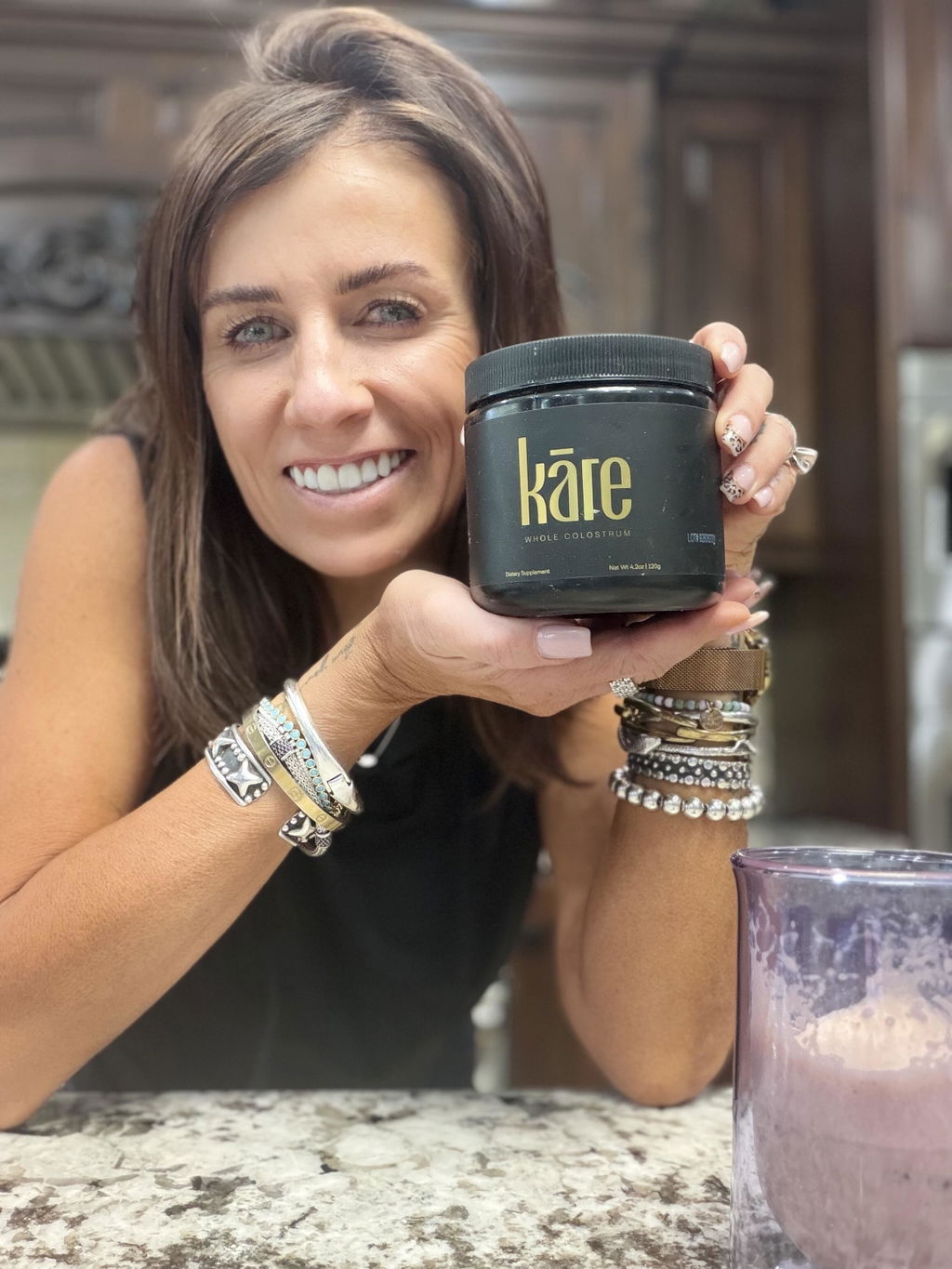
Colostrum vs Whey Protein for Recovery: Which Actually Works Better for Athletes
You've nailed your workout. Now comes the crucial part: recovery. Your muscles need protein, sure. But your immune system, gut, and joints need something else entirely. If you're choosing between colostrum and whey protein, you're asking the right question—but the answer isn't "pick one or the other." Here's what the science actually shows, and why smart athletes are doing both.
The Plain Language Difference: Protein Isn't All the Same
Whey protein is brilliant at one thing: building muscle. It's high in leucine (an amino acid that triggers muscle growth), absorbs quickly, and tastes decent when mixed properly. That's its job, and it does it well.
Colostrum does something different. Yes, it has protein—but that's almost a side benefit. What colostrum actually delivers is immunoglobulins (antibodies your body uses to fight infection), lactoferrin (an iron-binding protein with antimicrobial properties), and growth factors. These compounds don't just build muscle; they support your gut barrier, regulate inflammation, and strengthen your immune system.
Think of whey as fuel for growth. Think of colostrum as the infrastructure that keeps your whole system running optimally while you're pushing hard.
The Research Layer: Why Recovery Means More Than Muscle Protein Synthesis
Athletes lose more than muscle fibers during intense training. They compromise gut integrity (a condition sometimes called "leaky gut"), suppress immune function temporarily, and trigger systemic inflammation. Standard protein addresses only the first issue.
Research published in sports nutrition journals shows that IgG (immunoglobulin G, the most abundant antibody in colostrum) helps maintain the intestinal barrier—the gatekeeping layer between your gut and bloodstream. When that barrier weakens, undigested particles slip through, triggering unnecessary immune responses that steal resources from actual recovery. Colostrum shores up that barrier, allowing better nutrient absorption and faster inflammation resolution.
Studies on bovine colostrum in athletes have shown improvements in immune function markers, reduced upper respiratory infection rates during heavy training blocks, and faster recovery of intestinal permeability after endurance events. One landmark study found athletes taking colostrum had significantly fewer infections during 12 weeks of intense training compared to placebo groups.
Meanwhile, whey protein studies focus on muscle protein synthesis rates and strength gains. They're measuring different things because they do different things.
Why kāre's Approach Changes the Colostrum Game
Here's where honesty matters: not all colostrum is created equal, and some brands inflate their numbers in ways that don't reflect real-world bioavailability.
kāre sources from grass-fed, pasture-raised cows on New Zealand's South Island—animals that roam freely outdoors 365 days a year on fresh grass. That matters because stress and poor nutrition reduce the quality and quantity of colostrum. Our cows aren't routinely vaccinated or artificially stressed, and they're never treated with rBST (recombinant bovine somatotropin, a synthetic hormone some countries permit).
The processing is gentle: low-temperature spray-drying at 37-60°C preserves heat-sensitive immune factors. We collect and process within 48 hours. And here's the transparency piece: kāre reports IgG using turbidity-corrected testing, which means the number you see actually reflects bioactive protein. Some brands use inflated measurements that don't survive digestion—higher numbers on paper, lower impact in your system.
We also have the certifications to back it up: FSSC 22000 (food safety), ISO 17025 (testing accuracy), Kosher, Halal, Non-GMO, and rBST-free. And our ethics are baked in: calves receive their first 4 litres before we collect anything.
For athletes, that means you're getting the real thing—premium colostrum that actually supports the recovery infrastructure your body needs.
So should you choose colostrum or whey? The smart play is "and." Use whey when you need quick protein post-workout for muscle synthesis. Use colostrum daily to strengthen the system that makes recovery possible. Want to dive deeper into how colostrum supports athletic performance? Read our guide on colostrum for athletes or explore what IgG actually does.
Ready to build recovery right? Try kāre and feel the difference premium colostrum makes.