Colostrum vs Glutamine for Gut: Which Is Better for Your Digestion?
You're standing in the supplement aisle—or scrolling through your browser—comparing glutamine and colostrum. Both are touted for gut health. Both are amino acid-rich. But they work differently, and one might be the better fit for what your gut actually needs right now.
If you've been researching gut repair, you've probably heard the names. Glutamine is a single amino acid your body uses for intestinal cell energy. Colostrum is nature's first food—a concentrated dose of immune factors, growth factors, and yes, amino acids too. The question isn't which one is "better" in absolute terms. It's which one addresses your specific gut concern.
Let's break this down plainly, then look at the science behind it.
The Plain Language Answer: What Each One Does
Glutamine is fuel for your gut lining. Your intestinal cells burn it as energy, especially when they're stressed or damaged. Think of it as a direct energy supply to the cells that line your digestive tract.
Colostrum is a multi-tool. It contains immunoglobulins (antibodies that defend your gut), lactoferrin (an iron-binding protein that supports healthy bacteria balance), growth factors that help cells repair and regenerate, and yes—amino acids including glutamine. But colostrum brings much more to the table.
Here's the practical distinction: glutamine is narrow and focused. Colostrum is broad and layered. If your primary issue is low energy in gut cells, glutamine might be your answer. If your gut needs immune support, barrier repair, and microbial rebalancing, colostrum may offer more comprehensive benefit.
The Research Layer: How They Work at a Cellular Level
Glutamine has solid research backing its role in intestinal health. Studies show it reduces intestinal permeability (sometimes called "leaky gut," though that term is contested in mainstream medicine). It's particularly useful for athletes, people under stress, or those with inflammatory conditions because those situations deplete glutamine stores.
Colostrum research is equally compelling but wider in scope. The immunoglobulin G (IgG)—the primary antibody in colostrum—has been shown to neutralize pathogens and support the gut barrier. Lactoferrin may help establish healthier bacterial colonies. Growth factors like IGF-1 (insulin-like growth factor-1) stimulate cell regeneration. Some research suggests colostrum may be particularly helpful for people dealing with compromised gut barriers, food sensitivities, or unbalanced microbiomes.
One important note: some colostrum brands report inflated IgG numbers because harsh processing damages proteins. Understanding IgG transparency in colostrum matters. A lower, accurate number is more bioactive than an inflated one.
The overlap is real—colostrum contains the amino acids glutamine naturally provides, but colostrum users gain additional immune and growth-supporting compounds glutamine alone doesn't deliver.
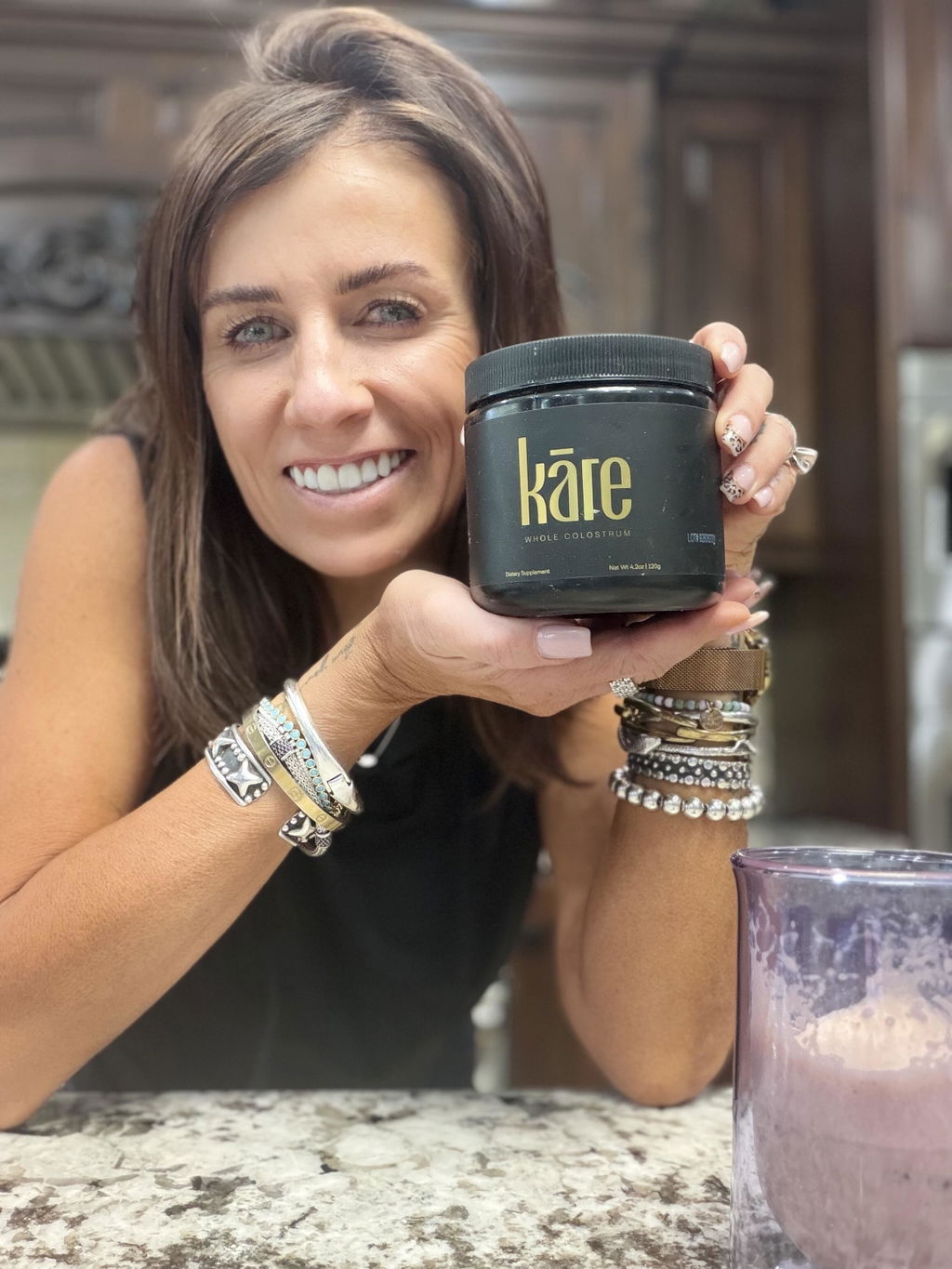
Why kāre Colostrum Stands Apart
If you're leaning toward colostrum, sourcing and processing matter enormously. Most colostrum on the market comes from industrial dairy operations. kāre sources from grass-fed, pasture-raised cows on New Zealand's South Island, below the Southern Alps. These cows roam freely 365 days per year; 95% of their diet is fresh grass. That diet difference translates to measurably higher micronutrient and bioactive factor density.
Processing is where most brands lose the plot. kāre uses gentle low-temperature spray-drying (37–60°C), which preserves the delicate proteins that make colostrum work. We never freeze. We process fresh within 48 hours of collection. And we're transparent: our IgG testing uses turbidity correction, so the number we report is actually bioactive—not inflated by damaged protein fragments.
We're also uncompromisingly ethical. Every calf receives their first four litres of colostrum before any collection happens. Our cows are never routinely vaccinated or artificially stressed, and they're certified rBST-free and non-GMO.
For deeper context on how colostrum supports your whole gut ecosystem, read about colostrum and gut microbiome balance.
The Bottom Line
Glutamine is a solid, focused supplement for gut cell energy. Colostrum is a broader-spectrum tool that includes glutamine's benefits plus immune support, microbial rebalancing, and cellular regeneration. Neither is "wrong." But if your gut needs repair and you want comprehensive support—not just a single mechanism—colostrum typically offers more leverage.
Start with kāre colostrum and give it 30 days. You'll notice the difference.