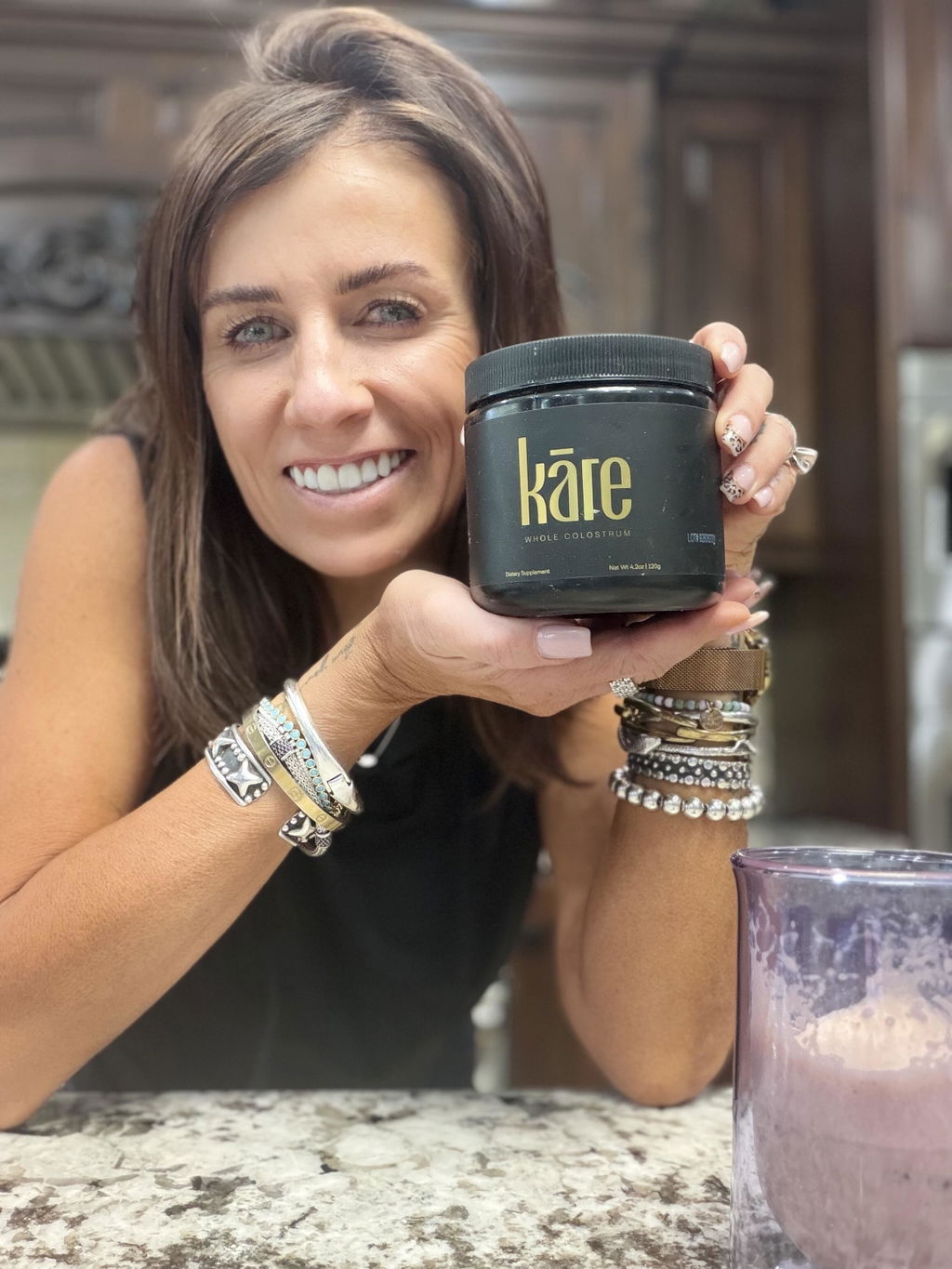
Colostrum Taste and Texture: What to Expect When You First Try It
You've heard about colostrum's immune-boosting powers, gut-healing potential, and all the athletes swearing by it. But before you order, you're wondering: what does this stuff actually taste like? Fair question. Nobody wants to commit to a supplement that tastes like licking a barn floor.
The honest answer: colostrum tastes earthy and a bit creamy, with a texture that depends entirely on how you prepare it. It's not unpleasant—most people find it surprisingly tolerable—but it's definitely not a chocolate milkshake. Here's what you're actually getting into, and how to make it work for your palate.
The Real Taste and Texture Profile
Colostrum powder has a mild, naturally creamy flavor with subtle grassy, dairy-forward notes. Think somewhere between powdered milk and a light oat flavor—warm, gentle, slightly sweet underneath. It's not the explosive taste of, say, a protein powder with artificial flavoring. It's quiet and understated, which is either exactly what you want or not quite what you expected.
The texture depends on how you mix it. Blend it with liquid and it becomes smooth, almost silky. Stir it into a smoothie bowl and it disappears into the other flavors. Mix it with water alone and you'll feel the powder-to-liquid transition unless you're thorough with your shaking or blending.
Some people find the natural taste comforting—there's something honest about it. Others prefer to mask it slightly. Both approaches work fine. The key is that colostrum doesn't have any sharp, off-putting flavors. It won't make you gag. It won't linger unpleasantly on your palate.
Why Colostrum Tastes the Way It Does
The flavor profile comes directly from the source material: bovine colostrum, the nutrient-dense first milk produced after a cow gives birth. It contains naturally occurring proteins, immunoglobulins (immune-protective antibodies), and lactose—all of which contribute to that creamy, mild dairy character.
Here's where processing matters: harsh extraction methods and high-heat drying can damage the proteins and create off-flavors or unpleasant textures. Gentler processing—like low-temperature spray-drying between 37-60°C—preserves both the taste and the bioactive compounds that make colostrum valuable in the first place. You're not just tasting better; you're getting a more potent product.
The source also matters. Colostrum from grass-fed, pasture-raised cows tends to have a slightly richer, cleaner taste profile than colostrum from grain-heavy or artificially stressed animals. Feed quality affects milk quality. It's the same reason grass-fed butter tastes different from conventional butter.
How kāre's Colostrum Stands Out
Our colostrum comes from grass-fed cows grazing the South Island of New Zealand, below the Southern Alps. These cows roam freely outdoors 365 days a year on a diet that's 95%+ fresh grass. That consistent, high-quality diet translates into colostrum with a naturally clean, creamy taste—no weird notes, no artificial undertones.
We process it fresh within 48 hours of collection using low-temperature spray-drying that preserves both taste and bioactivity. No freezing steps that can degrade quality. No additives or preservatives masking or altering flavor. What you taste is the real thing.
There's also the transparency factor. We report our IgG (immunoglobulin, the key immune antibody in colostrum) using turbidity-corrected testing, which means our numbers reflect actual bioactive protein, not inflated figures from harsher processing methods. Some brands report higher IgG numbers because their processing damages proteins in ways that skew the measurements. A lower accurate number beats a higher inflated one—and it usually tastes better too.
If you're concerned about taste, mix kāre into a smoothie with banana and berries, stir it into your morning oats, or blend it with warm milk and a touch of honey. Most people find it disappears seamlessly into their routine within a week or two.
Ready to experience colostrum for yourself? Try kāre and discover why so many New Zealanders have made it part of their daily practice. And if you want to understand more about what colostrum does in your body, check out our guides on colostrum and gut health and how colostrum supports immune function.