Colostrum Supplement vs Zinc for Immune Support: Which Is Right for You?
You're standing in the supplements aisle, torn between a zinc bottle and something called colostrum. Both claim to boost immunity. Both have research behind them. So which one actually works—and do you need both?
The honest answer: they work in fundamentally different ways. Understanding those differences means you can stop guessing and start choosing based on what your body actually needs.
The Plain Language Comparison: What They Do Differently
Zinc is a mineral. Your body uses it to build immune cells and help them function properly. Think of it as a single tool—essential, well-researched, and your body needs specific amounts of it to work well. Miss the mark too high or too low, and you'll feel it.
Colostrum is a whole food concentrate. The first milk produced by mammals (in this case, cows), it contains hundreds of bioactive compounds: antibodies, growth factors, enzymes, and more. Instead of one tool, you're getting an entire toolkit designed by nature to protect a newborn from pathogens and support growth.
The key difference? Zinc is singular and dose-dependent. Colostrum is complex and synergistic—meaning its components work together in ways we're still discovering.
How They Support Immunity: The Research Layer
Zinc works by supporting T-cell development (those are immune cells that attack invaders) and maintaining barrier function in your gut and respiratory tract. Studies show deficiency impairs immune response; supplementation helps if you're low. The research is solid but straightforward.
Colostrum's mechanism is more layered. The star player is IgG (immunoglobulin G), an antibody—basically a protein that recognizes and neutralizes pathogens. Research published in sports medicine and immunology journals suggests colostrum may support:
- Gut barrier integrity (crucial, since 70% of immunity happens in your gut)
- Reduced infection rates during high-stress periods
- Faster recovery from upper respiratory challenges
- Healthy inflammatory response
The difference in how they're measured matters too. Some brands report inflated IgG numbers because harsh processing damages proteins, inflating the count without preserving what actually works. Learn what IgG actually is and why accuracy matters when comparing products.
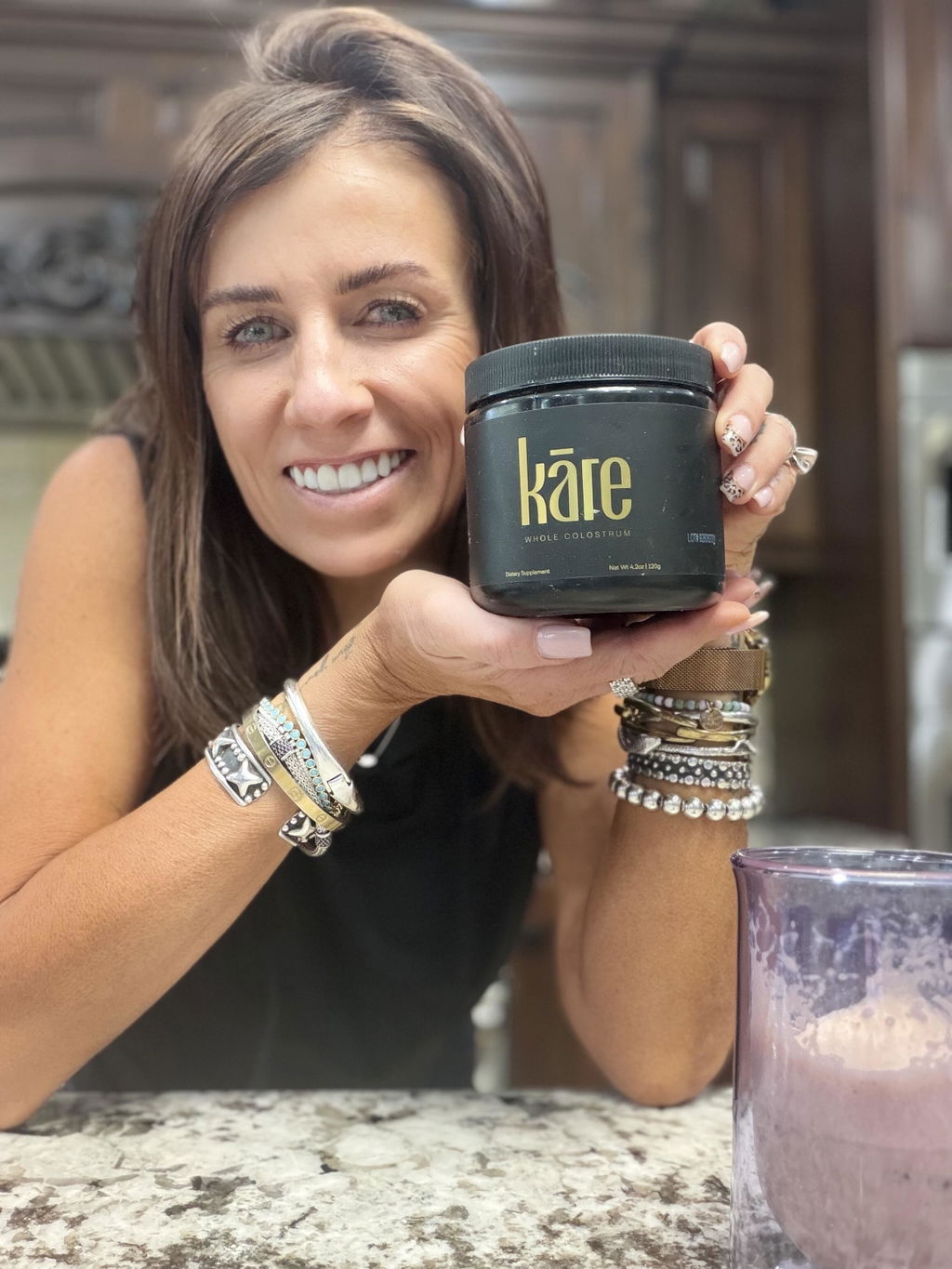
Why kāre's Colostrum Stands Apart
Not all colostrum is the same. Here's where sourcing and processing become immune support's secret weapon.
Our colostrum comes from grass-fed, pasture-raised cows on New Zealand's South Island—below the Southern Alps, where cows roam freely outdoors 365 days a year on 95%+ fresh grass. That matters because a cow's nutrition directly influences the nutrient density of her colostrum. No routine vaccinations, no artificial stress, no shortcuts.
We process fresh colostrum (never frozen) within 48 hours of collection using gentle low-temperature spray-drying (37–60°C). That preserves the bioactive compounds that actually do the work. And our IgG testing is turbidity-corrected—meaning we report what's genuinely bioactive, not inflated numbers. A lower, honest number beats a higher, misleading one every time.
We also live our ethics: calves receive their first 4 litres before we collect anything. Always.
For deeper dive into how colostrum supports immunity at the system level, explore colostrum's role in immune system function.
Zinc or Colostrum—Or Both?
Many people benefit from both, used strategically. Zinc prevents deficiency; colostrum may amplify and sustain immune readiness. They're not competitors—they're different positions in a team. The choice depends on your baseline health, diet, and goals.
What we know for certain: quality matters more than category. A poorly sourced, heavily processed colostrum won't out-perform quality zinc. A genuine, ethically made colostrum from grass-fed cows? That's a different conversation entirely.
Ready to experience colostrum the way it's meant to be? Try kāre and feel the difference that real sourcing and real processing make.