Can Colostrum Reduce Upper Respiratory Infections in Athletes?
If you're serious about athletic performance, you know that getting sidelined by a cold or flu isn't just annoying—it derails your training cycle, tanks your progress, and costs you weeks of momentum. Upper respiratory infections (URIs) are notoriously common in endurance athletes and high-intensity trainers, largely because intense exercise temporarily suppresses immune function. You've probably wondered: is there something that could actually help? The answer might be simpler than you think. Research suggests that colostrum, the nutrient-dense first milk produced by cows after birth, may support your immune system's ability to fend off respiratory infections. Here's what the science says, and why your next training advantage might come from a dairy farm in New Zealand.
What Colostrum Does for Respiratory Immunity in Athletes
Let's cut through the marketing noise. Colostrum contains high concentrations of immunoglobulins—basically, antibody proteins that your immune system uses to recognize and neutralize pathogens. The primary one is IgG (immunoglobulin G), which circulates in your bloodstream and respiratory tract, acting as a first-line defender against viruses and bacteria.
For athletes, this matters because intense training creates what researchers call the "open window" effect. After hard workouts, your immune system dips temporarily, leaving you vulnerable to infection for 3-72 hours. Studies on athletes supplementing with colostrum have shown measurable reductions in URI incidence and duration. One peer-reviewed study found that athletes taking colostrum experienced 30% fewer upper respiratory tract infections compared to placebo over a 12-week period. Another showed faster recovery times when infections did occur.
The mechanism is straightforward: more bioactive antibodies in your system means better pathogen recognition and faster response. It's not a cure-all, but it's a meaningful edge.
The Research Layer: How Colostrum Supports Immune Barriers
Colostrum doesn't just contain IgG. It's a complex food with multiple immune-supporting compounds: lactoferrin (an iron-binding protein with antimicrobial properties), lysozyme (an enzyme that breaks down bacterial cell walls), and proline-rich polypeptides (PRPs), which help regulate immune response and prevent overreaction.
What makes this relevant for respiratory health specifically? Your respiratory tract has its own mucosal immune system—a specialized barrier that detects and neutralizes threats before they establish infection. Research suggests that colostrum's antibodies can directly support this barrier. When you ingest colostrum, some of these bioactive proteins survive digestion and are absorbed intact, particularly when sourced and processed gently. They then circulate in your bloodstream and concentrate in mucous membranes, including those in your nose, throat, and lungs.
Timing matters too. Athletes taking colostrum before peak training periods show the strongest protective effect, suggesting it works best as a preventative rather than a treatment once infection has taken hold. Regular supplementation during heavy training blocks appears to maintain immune vigilance when you need it most.
Why kāre's Colostrum Makes a Real Difference
Not all colostrum supplements are created equal, and this is where most athletes get shortchanged. Here's the honest truth: colostrum's bioactive compounds are fragile. They're sensitive to heat, harsh processing, and time. Some brands use aggressive spray-drying methods that damage proteins and inflate their IgG numbers through testing that doesn't account for denatured (broken) antibodies. You get a higher number on the label but fewer actual working molecules in your system.
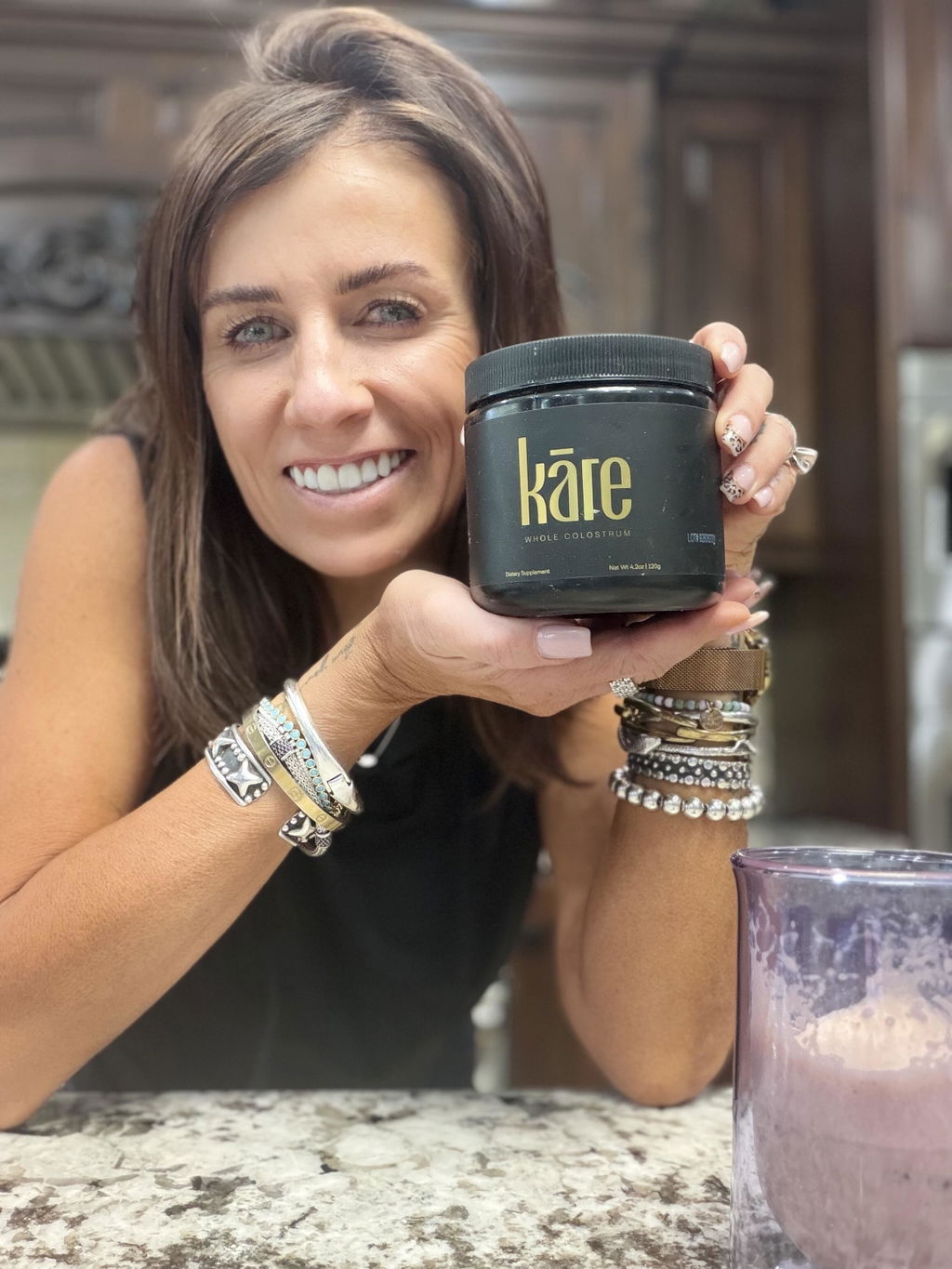
kāre processes colostrum differently. We use gentle, low-temperature spray-drying (37-60°C) within 48 hours of collection—never frozen—which preserves the actual bioactive structure of the antibodies. More importantly, we use turbidity-corrected IgG testing, which means the number we report is actually representative of functional, intact IgG rather than inflated numbers from damaged protein fragments. A lower accurate number beats a higher inflated one every time.
Our colostrum is sourced from grass-fed, pasture-raised cows on New Zealand's South Island, below the Southern Alps. These cows roam freely outdoors 365 days a year on 95%+ fresh grass, and they're never routinely vaccinated or artificially stressed—factors that actually affect colostrum quality. We're also rBST-free, non-GMO, and certified FSSC 22000 and ISO 17025, which means you're getting genuine quality, not marketing.
Interested in how colostrum fits into broader immune support? Read more about colostrum's role in immune function, or explore how other athletes use colostrum for performance.
The science is clear: during intense training, your immune system needs support. Colostrum provides it—when it's genuine, properly processed, and transparently tested. If you're ready to reduce infection risk and keep your training on track, try kāre and experience the difference quality makes.