Colostrum vs Probiotics for Gut Health: Which Actually Works Better?
If you're searching for ways to support your gut health, you've probably stumbled across two names repeatedly: colostrum and probiotics. They're both legitimate, science-backed approaches—but they work in completely different ways. The real question isn't which one is "better." It's understanding what each one does, and whether you actually need to choose at all.
The Plain Language Difference: What Colostrum and Probiotics Actually Do
Probiotics are live microorganisms—think of them as friendly bacteria that colonise your gut. When you consume them, they take up residence in your digestive system and help balance your existing microbial community. They're like planting a garden: you're introducing new plants and hoping they'll thrive alongside what's already there.
Colostrum is something entirely different. It's the first milk produced by mammals after giving birth, packed with antibodies, proteins, and immune compounds. Rather than repopulating your gut with new bacteria, colostrum works like a security system. It contains high levels of immunoglobulin G (IgG)—a specialised antibody that identifies unwanted pathogens and supports your immune response at the gut wall. It's also rich in growth factors and proteins that may help repair and strengthen your gut lining itself.
In short: probiotics add beneficial bacteria. Colostrum supports your gut barrier and immune defences. One is about quantity of good bacteria; the other is about quality of protection.
The Science Layer: How They Work Inside Your Gut
Your gut does three critical jobs: absorb nutrients, keep harmful pathogens out, and regulate immune responses. Probiotics primarily support the first and third—a balanced microbiome helps nutrient absorption and trains your immune system to respond appropriately.
Colostrum's strength lies in the second and third functions. Research suggests colostrum's IgG antibodies bind to pathogens and harmful bacteria, essentially marking them for removal. This process is called opsonisation (marking unwanted invaders so your immune system recognises them). Additionally, colostrum contains lactoferrin and peptides that may help seal tight junctions in your gut wall—preventing what researchers call "leaky gut," where unwanted particles slip through.
Many functional medicine practitioners suggest they actually complement each other. A healthy gut needs both a strong barrier and a balanced microbial community. Probiotics work best when your gut lining is intact and your immune system isn't in overdrive—exactly where colostrum excels.
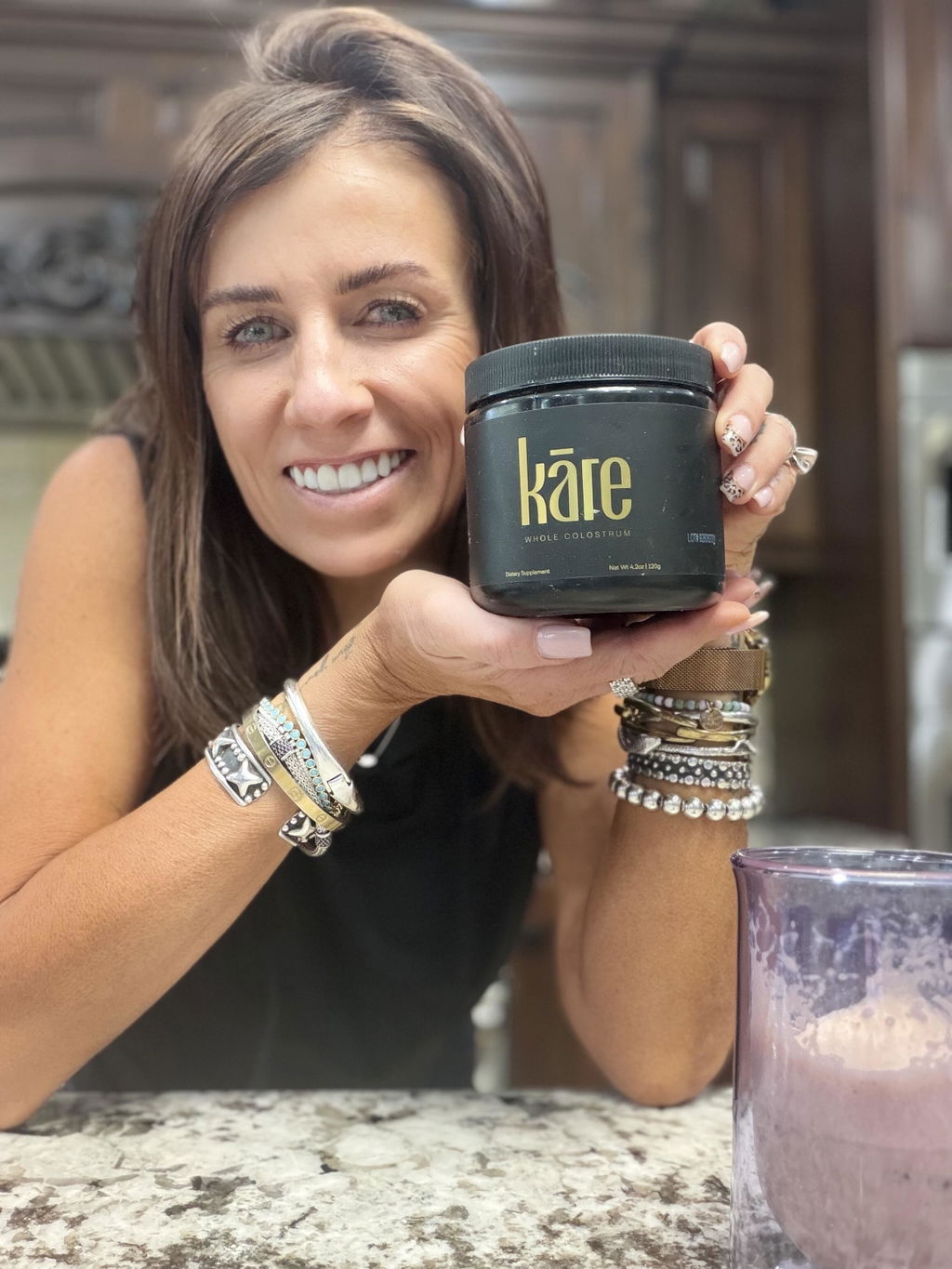
Why kāre's Colostrum Stands Apart in This Comparison
Not all colostrum is created equal, and that matters when you're making this choice. Some brands focus on inflated IgG numbers—figures that look impressive on the label but result from harsh processing that actually damages the very proteins you're paying for. These numbers are often measured without accounting for protein damage, leading to misleading claims.
kāre uses turbidity-corrected testing, which means we report only the bioactive IgG that actually reaches your gut intact. Our number might be lower than some competitors, but it's accurate. You're getting what we claim—not inflated marketing.
Our colostrum comes from grass-fed, pasture-raised cows on New Zealand's South Island, below the Southern Alps. These cows roam outdoors 365 days a year on fresh grass—this diet directly influences the density and quality of immune compounds in their colostrum. We process it fresh (never frozen) within 48 hours of collection using low-temperature spray-drying at 37-60°C. This gentle process preserves the bioactive proteins that make the comparison between colostrum and probiotics relevant in the first place.
And we're transparent about ethics: every calf receives their first four litres before we collect anything. New Zealand cows aren't routinely vaccinated or artificially stressed, which means their colostrum reflects natural immune responses—not pharmaceutical interventions.
For a deeper dive on the immune antibodies that give colostrum its edge, read our guide on what IgG in colostrum actually does. You might also explore how colostrum supports your gut microbiome alongside dietary changes.
The honest answer: both have a place. Probiotics rebuild your microbial ecosystem. Colostrum strengthens your gut's defences and lining. If you're serious about gut health, you don't have to choose. Try kāre colostrum alongside your probiotic routine and notice the difference a transparent, ethically sourced option makes.