The Pasture-Raised Difference: Why It Matters for Colostrum Quality
If you've started researching colostrum supplements, you've probably noticed something: not all colostrum is created equal. Some brands tout their product as "premium," others claim maximum potency, but when you dig deeper, the real difference often comes down to one thing — how the cows were raised. Colostrum from pasture-raised, grass-fed cows delivers measurably different immune benefits than colostrum from conventionally housed cattle. Here's what you need to know.
Pasture-Raised vs. Conventional: The Plain Language Answer
Let's start simple. Pasture-raised cows spend their lives outdoors, grazing on fresh grass. Conventional dairy cows spend most of their time indoors, eating grain-based feed and hay. That difference sounds small until you understand what it does to the cow's immune system — and therefore, to the colostrum she produces.
A pasture-raised cow's body is constantly encountering diverse environmental challenges: changing temperatures, varied plant species, natural soil microbes, seasonal weather shifts. Her immune system is working, adapting, building resilience. That immune activity gets concentrated into her colostrum in the form of antibodies and bioactive compounds.
A conventionally housed cow faces fewer environmental stressors. Her immune system has less to respond to. Her colostrum reflects that — it contains fewer of the protective compounds you're actually taking the supplement to get.
The result: pasture-raised colostrum typically contains higher levels of IgG (immunoglobulin G, the primary immune antibody in colostrum) and other protective proteins. But there's an important caveat we'll cover in a moment.
The Science Layer: How Pasture Living Shapes Colostrum Composition
Research into dairy farming practices shows that grazing intensity and pasture diversity directly influence milk composition — and colostrum is essentially first milk, concentrated and amplified. Here's the mechanism:
When a cow grazes outdoors year-round on diverse pasture (not monoculture grain), she's exposed to a wider range of plant compounds called phytonutrients. Her digestive system processes more complex fiber. Her immune system encounters more environmental antigens — foreign substances that trigger immune responses. In response, her body produces more antibodies and antimicrobial compounds, which concentrate in colostrum.
Studies on grass-fed versus grain-fed dairy also show differences in fatty acid profiles and antioxidant levels. Grass-fed milk contains higher levels of conjugated linoleic acid (CLA), a fatty acid with its own health-supporting properties. Those differences persist in colostrum.
Additionally, pasture-raised cows experience less metabolic stress. They move naturally, spend time in sunlight, and aren't confined to stalls. Lower stress = lower cortisol and inflammatory markers = a more balanced immune response reflected in colostrum quality.
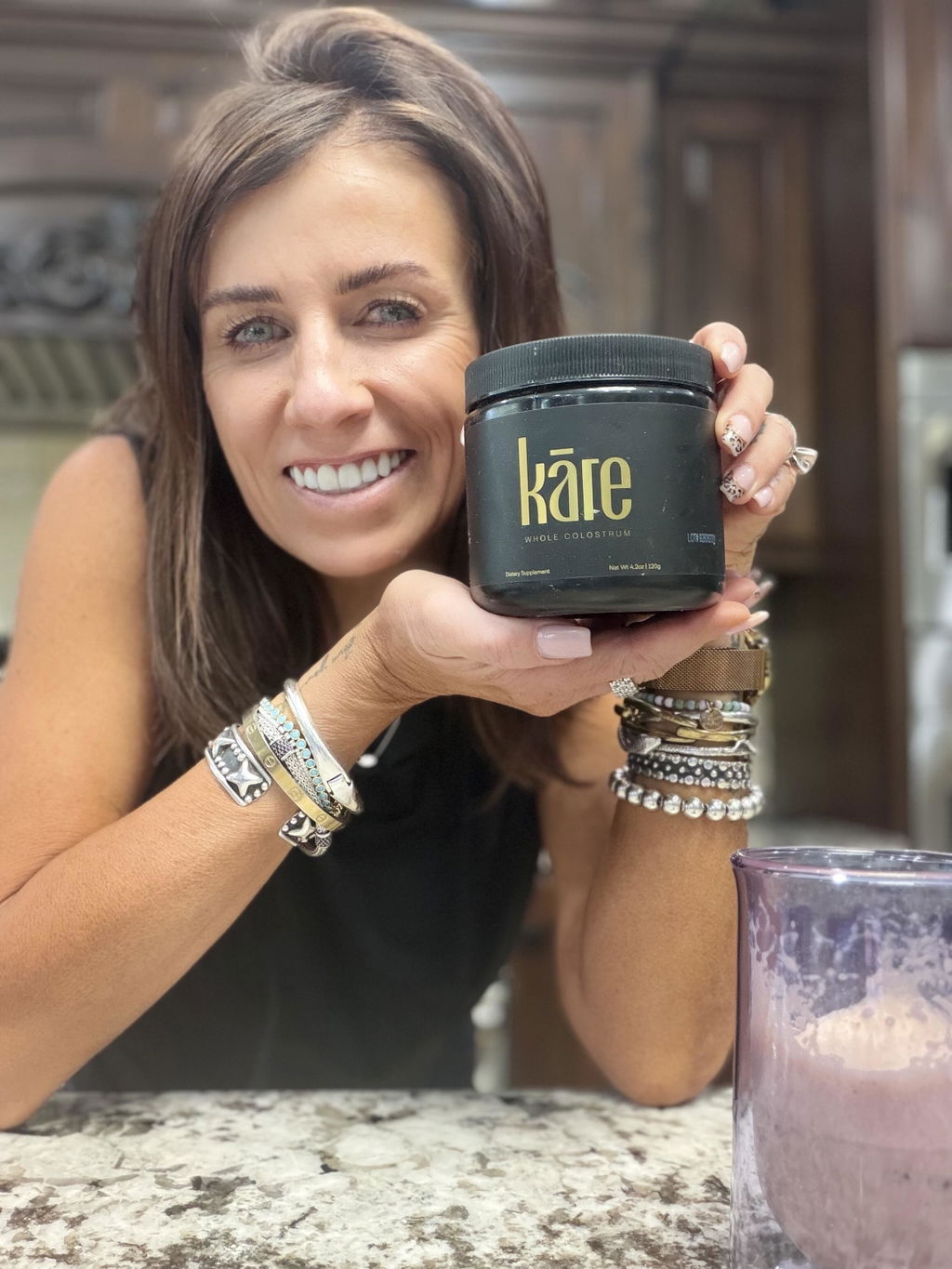
The kāre Angle: New Zealand Pasture-Raised Done Right
This is where sourcing location matters. kāre sources from grass-fed, pasture-raised cows on New Zealand's South Island, below the Southern Alps. These cows roam freely outdoors 365 days a year. Their diet is 95%+ fresh grass. They're never routinely vaccinated or artificially stressed — and they're never treated with rBST (recombinant bovine somatotropin, an artificial hormone).
But here's the critical detail most people miss: IgG numbers can lie. Some brands report inflated IgG figures because harsh processing — high-temperature drying, aggressive handling — damages proteins and skews lab results. kāre uses turbidity-corrected IgG testing, which means the number reported is actually bioactive and usable by your body. We'd rather report a lower accurate number than inflate figures through flawed testing.
We also process colostrum fresh, never frozen, within 48 hours of collection using gentle low-temperature spray-drying (37-60°C). This preserves the delicate immune compounds that make pasture-raised colostrum worth taking in the first place. And because we're committed to ethics, calves receive their first 4 litres of colostrum before any collection ever happens.
The result is colostrum that delivers on the pasture-raised promise: real immune support backed by real science, from cows living the way nature intended.
Curious how colostrum supports your specific health goals? Explore our guide on colostrum's role in immune function or dive into what IgG actually does in your body.
Ready to experience the difference yourself? Try kāre colostrum and feel the pasture-raised advantage.