Colostrum IgG Bioavailability Explained: Why Your Number Matters More Than You Think
You've probably seen colostrum labels boasting massive IgG numbers—sometimes 20g, 25g, even higher per serving. Sounds impressive, right? But here's the thing: not all IgG is created equal, and not all numbers are what they claim to be. If you're shopping for colostrum and wondering whether those sky-high figures are real or marketing smoke, you're asking exactly the right question. This guide breaks down IgG bioavailability—what it actually means, why processing matters, and how to spot brands that are being honest with you.
What IgG Bioavailability Actually Means (In Plain English)
Let's start simple. IgG is immunoglobulin G, which is fancy scientist-speak for an antibody—basically your body's security team. Colostrum is loaded with these antibodies because they're designed to protect newborn calves (and can support human immunity too). When we talk about IgG bioavailability, we're asking: how much of that IgG can your body actually use?
Here's the catch: harsh processing—high heat, aggressive drying, rough handling—can damage these delicate protein structures. When proteins get damaged, they don't work the same way. Your digestive system might still detect them (they're still proteins), but they've lost their functional punch. It's like having a security guard who looks the part but can't actually do the job.
This is why some brands report inflated IgG numbers. They're measuring total protein content, not bioactive IgG. It's technically not a lie, but it's definitely not the whole truth.
The Science: How Processing Affects IgG Structure and Function
Colostrum's bioactive compounds—including IgG—are temperature-sensitive. Research shows that temperatures above 60°C (140°F) can begin to denature proteins, which means the molecular structure starts to unwind and lose function. This is why traditional spray-drying, which often uses temperatures of 70°C and higher, can significantly reduce bioavailability even though the IgG is still measurable in the final product.
The real gold standard in testing is something called turbidity-corrected IgG measurement. This method accounts for protein denaturation and damaged particles that standard tests miss. When you use turbidity correction, you're only counting the IgG that's actually structurally intact and capable of doing its job in your gut.
Think of it this way: standard IgG testing is like counting all the cars in a parking lot. Turbidity-corrected testing is like counting only the cars that actually run. A lower turbidity-corrected number is more honest—and more meaningful—than a higher uncorrected one.
Early research on colostrum suggests IgG may support immune function and help with gut inflammation, but only if the IgG is bioavailable. Denatured protein can't deliver these potential benefits.
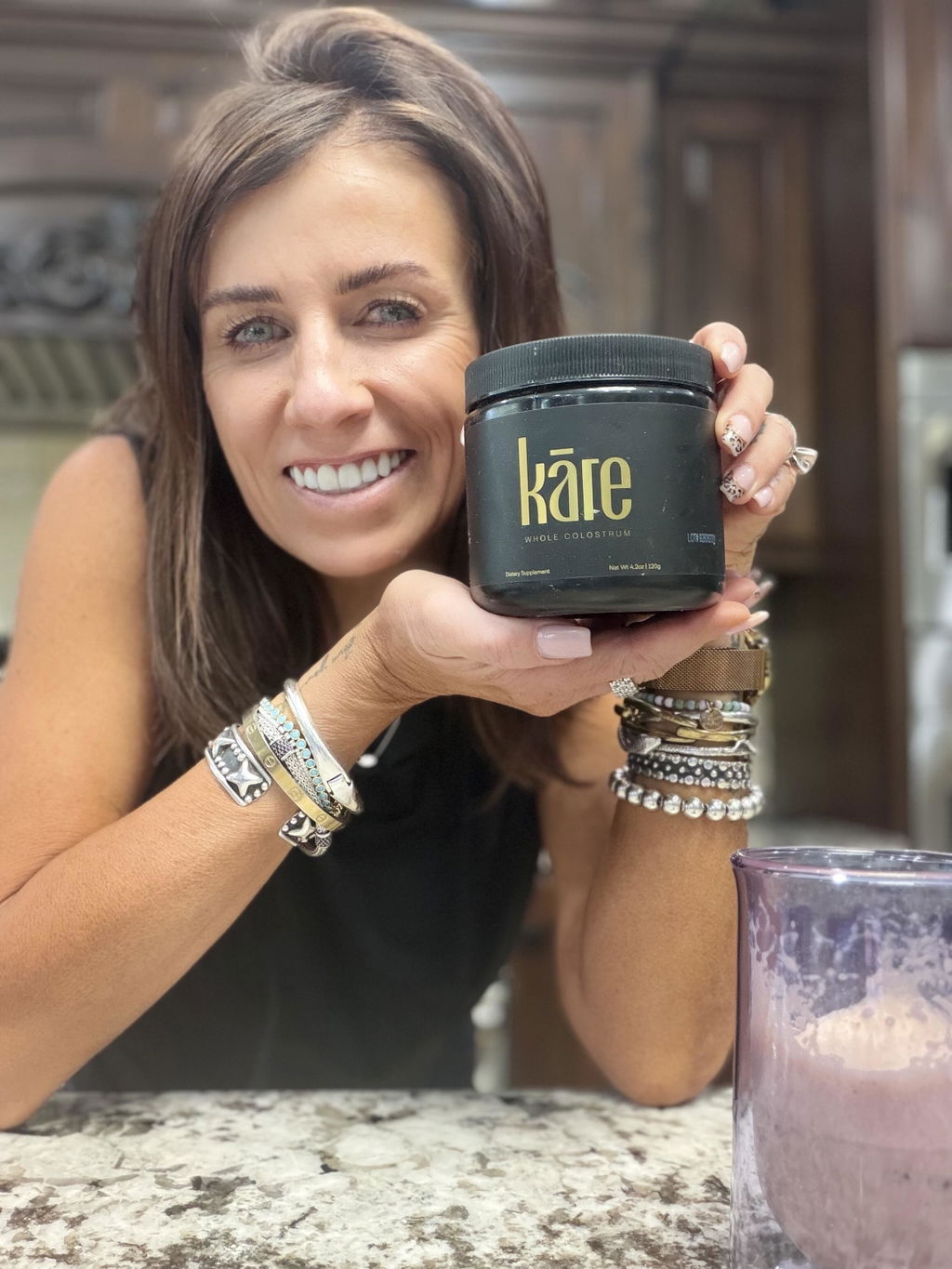
The kāre Difference: Ethical Sourcing Meets Transparent Testing
At kāre, we source colostrum from grass-fed, pasture-raised cows on New Zealand's South Island. These cows roam outdoors 365 days a year on fresh grass—not confined, not routinely vaccinated, not artificially stressed. This matters because a cow's immune system reflects her environment. A healthier, less-stressed cow produces colostrum with naturally robust antibody profiles.
But sourcing integrity is only half the story. We process fresh colostrum within 48 hours of collection using gentle, low-temperature spray-drying (37–60°C). This preserves the delicate structure of IgG and other bioactive compounds. Then we do something most brands won't: we test using turbidity-corrected IgG measurement, so you know the number on our label is actually bioavailable.
Our IgG numbers are lower than some competitors—and we're proud of that. A lower, honest number beats a higher inflated one every time. It means you're getting colostrum that actually works, backed by testing that actually matters. We're also certified FSSC 22000, ISO 17025, and Non-GMO, with no additives or preservatives. And because ethics matter to us, our calves always receive their first 4 litres before we collect anything.
Want to dig deeper? Read more about what IgG does in your body or explore how colostrum supports your gut microbiome.
The colostrum you choose should be honest about what it contains and how it got there. kāre delivers both: premium sourcing, gentle processing, transparent testing, and real results. Try kāre today and taste the difference that integrity makes.