Colostrum IGF-1 and Skin Regeneration: The Science Behind Firmer, Healthier Skin
If you're searching for a natural way to support skin elasticity and regeneration, you've probably stumbled across IGF-1—and wondered what the heck it actually does. The short answer: it's a growth factor (a signalling molecule that tells your cells to do good things) that appears in colostrum, and research suggests it may play a meaningful role in keeping skin looking fresher and more resilient. But here's what most articles won't tell you: not all colostrum delivers bioactive IGF-1 equally. The source, processing method, and testing transparency matter enormously.
What Is IGF-1, and Why Does Your Skin Care About It?
IGF-1 stands for insulin-like growth factor 1. In plain English, it's a naturally occurring protein in your body that acts like a chemical messenger, telling your skin cells to grow, repair, and regenerate. Your body produces IGF-1 naturally, but levels decline with age—which is part of why skin loses firmness and bounce over time.
Bovine colostrum (the nutrient-dense first milk from cows) contains IGF-1. When you consume it, research suggests that some of this IGF-1 may be absorbed and contribute to your body's regenerative processes. Studies have shown that IGF-1 stimulates collagen production, supports skin cell turnover, and may improve skin hydration and elasticity. It's not a magic eraser, but the evidence points to real biological activity that could matter for your skin over time.
The catch: IGF-1 is fragile. Harsh processing temperatures destroy it. This is why the way colostrum is sourced and dried is non-negotiable if you want the actual benefits.
How IGF-1 Works in Colostrum: The Regeneration Mechanism
Here's the mechanistic layer. IGF-1 binds to IGF-1 receptors on your skin cells, triggering a cascade of cellular activity. This includes increased fibroblast (collagen-producing cell) activation, enhanced protein synthesis, and improved cellular turnover. Research published in dermatology journals has demonstrated that IGF-1 may reduce fine lines, improve skin texture, and support the skin barrier function—the outer layer that keeps moisture in and irritants out.
Colostrum also contains other bioactive compounds—immunoglobulins like IgG (antibodies that support immune function), lactoferrin, and various growth factors—that work synergistically. When sourced and processed correctly, you're not just getting IGF-1; you're getting a whole ecosystem of compounds that support skin health and systemic regeneration.
The challenge in the colostrum market: some brands report sky-high IGF-1 numbers that don't reflect bioactivity. Harsh spray-drying or storage denatures proteins. Older testing methods don't account for this protein damage. You end up with claims that don't match reality.
Why New Zealand Colostrum and Transparent Testing Change the Game
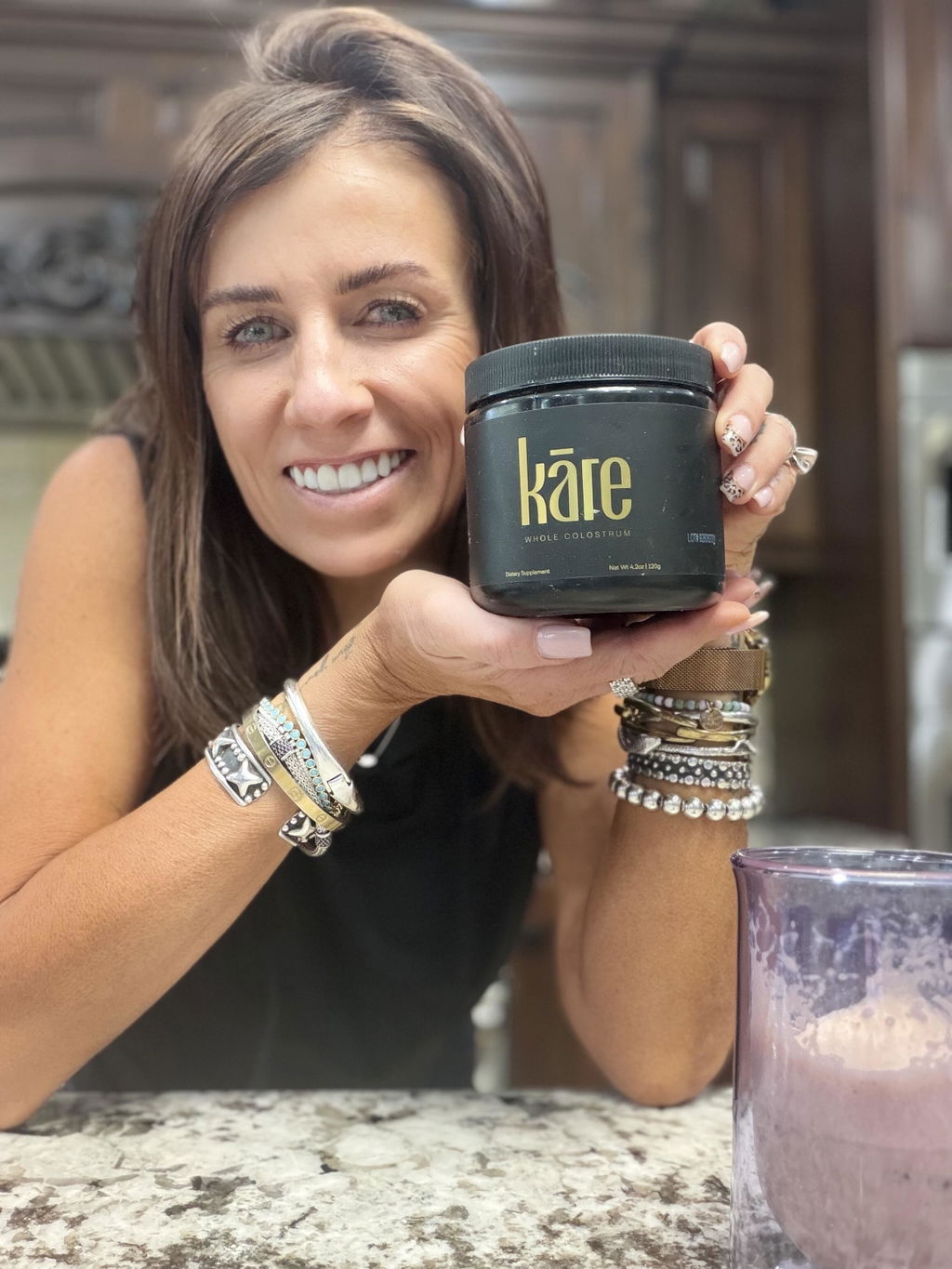
kāre sources colostrum from grass-fed, pasture-raised cows on New Zealand's South Island, below the Southern Alps. These cows roam freely 365 days a year and eat a 95%-plus fresh grass diet. They're never routinely vaccinated or artificially stressed, which means their colostrum is naturally rich in bioactive compounds from the start.
More critically, kāre processes colostrum fresh—within 48 hours of collection—using gentle low-temperature spray-drying (37-60°C). This preserves the delicate structure of IGF-1 and other growth factors that heat destroys. And here's the transparency bit: kāre uses turbidity-corrected testing for IgG (the key immune antibody), meaning the numbers reported actually reflect bioactive protein, not denatured residue. A lower accurate number beats a higher inflated number every single time.
Additionally, understanding IgG in colostrum helps you evaluate quality across brands. And if you're interested in how colostrum supports your whole system, colostrum's broader role in skin elasticity covers the full picture.
The Bottom Line
IGF-1 in colostrum may genuinely support skin regeneration, but only if it survives processing intact. kāre's commitment to fresh processing, gentle drying, and transparent testing means you're actually getting the bioactive compounds the science points to—not just the promise of them. If you're serious about supporting your skin from the inside out, quality colostrum is worth the investment.
Try kāre colostrum and experience the difference that real bioactivity makes.