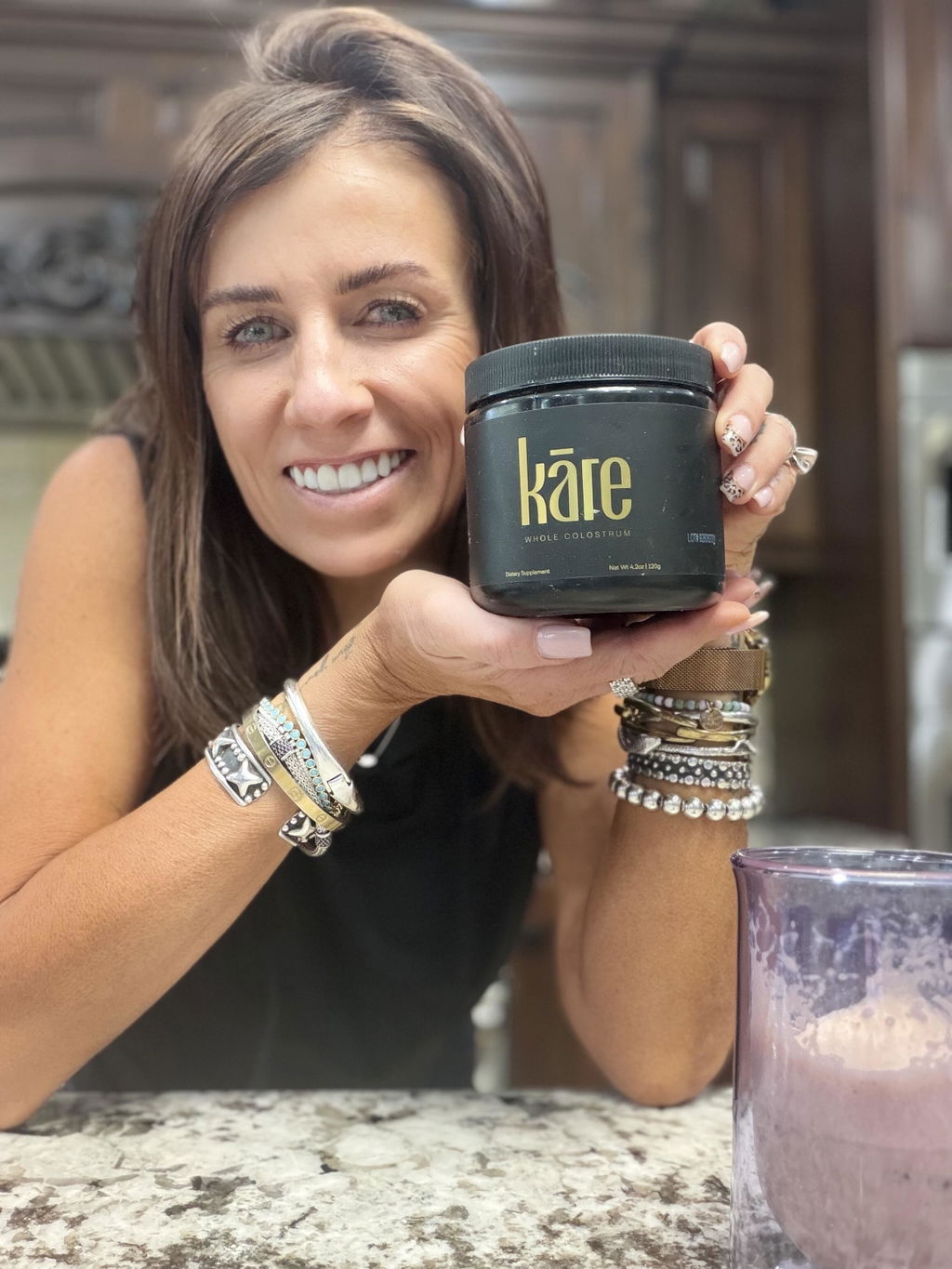
Colostrum for Vaginal Dryness During Menopause: What the Research Shows
Vaginal dryness during menopause isn't just uncomfortable—it can affect intimacy, confidence, and quality of life. If you're searching for natural support beyond hormone replacement therapy, you've likely heard about colostrum. The question isn't whether colostrum is a magic fix (it isn't), but whether it has a legitimate role in managing menopausal symptoms. The answer is nuanced, and worth understanding.
Colostrum and Vaginal Health: The Plain Language Explanation
Colostrum—the nutrient-dense first milk produced by mammals after birth—contains compounds that may support tissue health and moisture balance in the vaginal area. During menopause, declining estrogen affects collagen production and moisture retention in vaginal tissues. Colostrum contains growth factors (natural proteins that stimulate tissue repair) and immunoglobulins (antibodies that support immune function), both of which research suggests may help maintain tissue integrity and support the body's natural moisture-regulating mechanisms.
Some women report improvements in vaginal dryness after incorporating colostrum into their daily routine, though individual results vary. It works best as part of a broader approach—alongside hydration, appropriate lubricants when needed, and consultation with your healthcare provider.
The Science: How Colostrum May Address Menopausal Changes
The mechanism involves several layers. First, colostrum is rich in growth factors including IGF-1 (insulin-like growth factor 1, a protein that stimulates cell growth and repair). Research published in endocrinology journals suggests IGF-1 may support collagen synthesis—the structural protein that keeps vaginal tissue elastic and resilient. As estrogen drops during menopause, collagen breaks down faster than it rebuilds, contributing to dryness and tissue thinning. Colostrum's growth factors may help slow that decline.
Second, colostrum contains IgG (immunoglobulin G, the primary antibody in your immune system). A healthy vaginal microbiome—the ecosystem of bacteria that maintain proper pH and moisture—depends on immune balance. IgG antibodies help regulate that balance, potentially supporting the conditions where natural lubrication thrives. This is particularly relevant because menopausal changes often shift vaginal pH, which can disrupt the microbiome.
Third, the lactoferrin (an iron-binding protein with antimicrobial and tissue-supporting properties) in colostrum has been shown in research to support mucosal tissue health. The vaginal tissue is mucosal tissue, so this connection is direct.
You'll want to know: some brands report inflated IgG numbers because harsh processing damages proteins. Understanding IgG in colostrum helps you identify genuinely bioactive products versus marketing numbers.
Why Kāre's Approach Matters for Menopausal Health
Not all colostrum is created equal, and that matters when you're using it therapeutically. Kāre sources from grass-fed, pasture-raised cows on New Zealand's South Island—animals that roam freely 365 days a year with a diet that's 95%+ fresh grass. This pastoral standard means higher nutrient density and more stable bioactive compounds from the start.
More importantly: kāre processes colostrum fresh within 48 hours using gentle low-temperature spray-drying (37-60°C). Harsh processing damages the very growth factors and immunoglobulins you're taking colostrum for. Kāre uses turbidity-corrected testing for IgG, meaning the numbers reported are actually bioactive—not inflated figures that sound impressive but deliver less benefit. For menopausal support, you need real bioactivity, not marketing.
The ethical sourcing also matters: kāre's calves receive their first four litres before any collection begins. You're supporting a practice that doesn't compromise animal welfare for supplement yield.
If you're exploring colostrum for perimenopause and menopausal symptoms, the quality of what you take directly affects results.
The Honest Closing
Colostrum isn't a replacement for estrogen or medical advice. But emerging research and real-world reports suggest it may be a meaningful part of managing vaginal dryness when sourced and processed with integrity. Combined with adequate hydration, appropriate vaginal moisturizers, and open conversation with your doctor, high-quality colostrum may help support the tissue health that menopause challenges.
Ready to explore whether kāre colostrum fits your menopause wellness plan? Try kāre today and experience the difference transparent sourcing and genuine bioactivity make.